
[Lung Cancer Research] EGFR Exon 20 Insertion Mutations: FDA Approval of an EGFR/MET Bispecific Antibody
[Lung Cancer Research] EGFR Exon 20 Insertion Mutations: FDA Approval of an EGFR/MET Bispecific Antibody
Medical Supporter — Information Notice
This article is a summary of international medical information and is not medical advice; it cannot replace the diagnosis or treatment plan of your attending physician. The medical technologies, drug information and clinical data presented here are compiled from public literature and official statements of Japanese medical institutions; the applicability and outcome of any therapy vary with each patient and must be assessed individually by a qualified physician.
In lung cancer targeted therapy, EGFR exon 20 insertion mutations (Exon 20 insertion) had long been trapped in the dilemma of "no targetable drug available." However, the U.S. FDA granted accelerated approval in May 2021 for the bispecific antibody drug EGFR/MET bispecific antibody (Amivantamab), specifically for treating patients with this specific mutation who have progressed after platinum-based chemotherapy — writing an important chapter in precision medicine.
I. CHRYSALIS Trial: Efficacy Targeting Difficult-to-Treat Mutations
This approval was primarily based on positive data from the CHRYSALIS multi-cohort clinical trial.
Core Clinical Performance:
- Objective Response Rate (ORR): Achieved 40% in previously treated patients.
- Duration of Response (DoR): Median reached 11.1 months, demonstrating the durability of efficacy.
- Mechanism of Action: EGFR/MET bispecific antibody can simultaneously bind to both EGFR and MET receptors, effectively dismantling cancer cell growth signals through dual blockade and inducing immune cell attack.
II. Precision Diagnosis: The Role of Guardant 360 CDx
Simultaneously approved with EGFR/MET bispecific antibody was the Guardant 360 CDx companion diagnostic tool. This means that through highly accurate genetic testing, physicians can more quickly and accurately identify patients who would benefit from EGFR/MET bispecific antibody. Japanese medical institutions are highly proficient in applying liquid biopsy, providing patients with minimally invasive diagnostic options.
III. Safety and Dosing Recommendations
EGFR/MET bispecific antibody is administered by intravenous infusion. The following adverse event management points require attention:
- Infusion reactions: Common with the first administration; the medical team will take preventive measures.
- Common adverse events: Include rash, paronychia, and musculoskeletal pain. Japanese physicians have extremely meticulous care standards for skin care and adverse event mitigation, which can significantly improve patient medication tolerance.
Medical Supporter: Connecting You to Global Advanced Targeted Resources Facing rare mutations, the correct drug choice and precise diagnosis are critical to success. Medical Supporter's team can help connect you with Japanese lung cancer authorities with extensive EGFR/MET bispecific antibody experience, arranging professional genetic report interpretation and comprehensive support throughout the Japan medical journey.
Medical Supporter was formerly certified as an international medical visa guarantor by Japan's Ministry of Foreign Affairs and the Ministry of Economy, Trade and Industry (B-066).
Considering medical care in Japan? Need information and support?
We help you organize the information needed for medical travel to Japan, liaise with Japanese medical institutions, and arrange a second-opinion consultation.The first consultation is free (initial direction only; further services are quoted separately); an advisor will help you clarify the next steps.
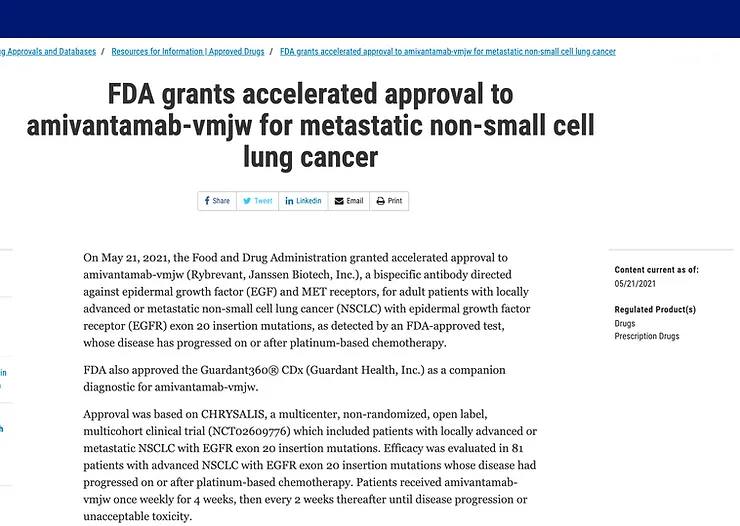 Figure 1
 Figure 2
 Figure 3
 Figure 4