Your Peace-of-Mind Journey to Medical Care in Japan
Clear support for each step before, during, and after your visit to Japan
Preparing for your first visit
- Your passport or identification document and the institution’s appointment confirmation.
- Available medical summaries, test results, medical images and a medication list. Confirm format and translation requirements with the institution in advance.
- Confirm fees, payment methods, and whether referral documents or an interpreter are needed. Follow the institution’s instructions for preparing for tests.
This is a general checklist. Follow each institution’s instructions for required documents and visit arrangements.
The Cross-border Medical Process in One Minute
Seven steps, required documents, expected timeline — in one paragraph
- How many steps does the full Japan medical journey have?
- Seven: (1) online consultation, (2) record & report translation, (3) hospital referral, (4) travel-readiness and entry-document preparation, (5) transport planning in Japan, (6) clinic and inpatient accompaniment, (7) post-treatment follow-up. A Medical Supporter coordinator handles each step.
- How long does pre-trip preparation usually take?
- Most cases are planned in a 2–4 week window: record consolidation and translation, initial hospital review, second opinion or appointment scheduling, and travel-readiness materials. Visa or entry-document timing varies by nationality and official requirements, so we list it separately during consultation.
- What documents should I prepare in advance?
- Medical summary from the past year, imaging discs (CT / MRI / PET), pathology reports, a list of current medications, and a passport copy. You can start the consultation before everything is collected — the coordinator will provide a checklist and help fill the gaps.
- How are accommodation and hospital commuting arranged?
- We compare hotels, long-stay apartments, transfer options and public transport near the hospital based on treatment location, visit frequency, family accompaniment and budget. Accommodation, flights, meals and visa-related personal expenses are listed separately; medical fees follow the hospital’s formal quote, and support service fees are confirmed by the actual scope requested.
Stage 1: Case Review Before Travel
「Before you depart, Japanese physicians review your records and imaging to assess feasibility, reducing unnecessary travel time and cost.」
- Organize medical records and initial consultation with an advisor
- Translate records into professional Japanese format
- Arrange a remote second opinion with a Japanese physician when appropriate
- Confirm whether the hospital or clinic can review and accept the case
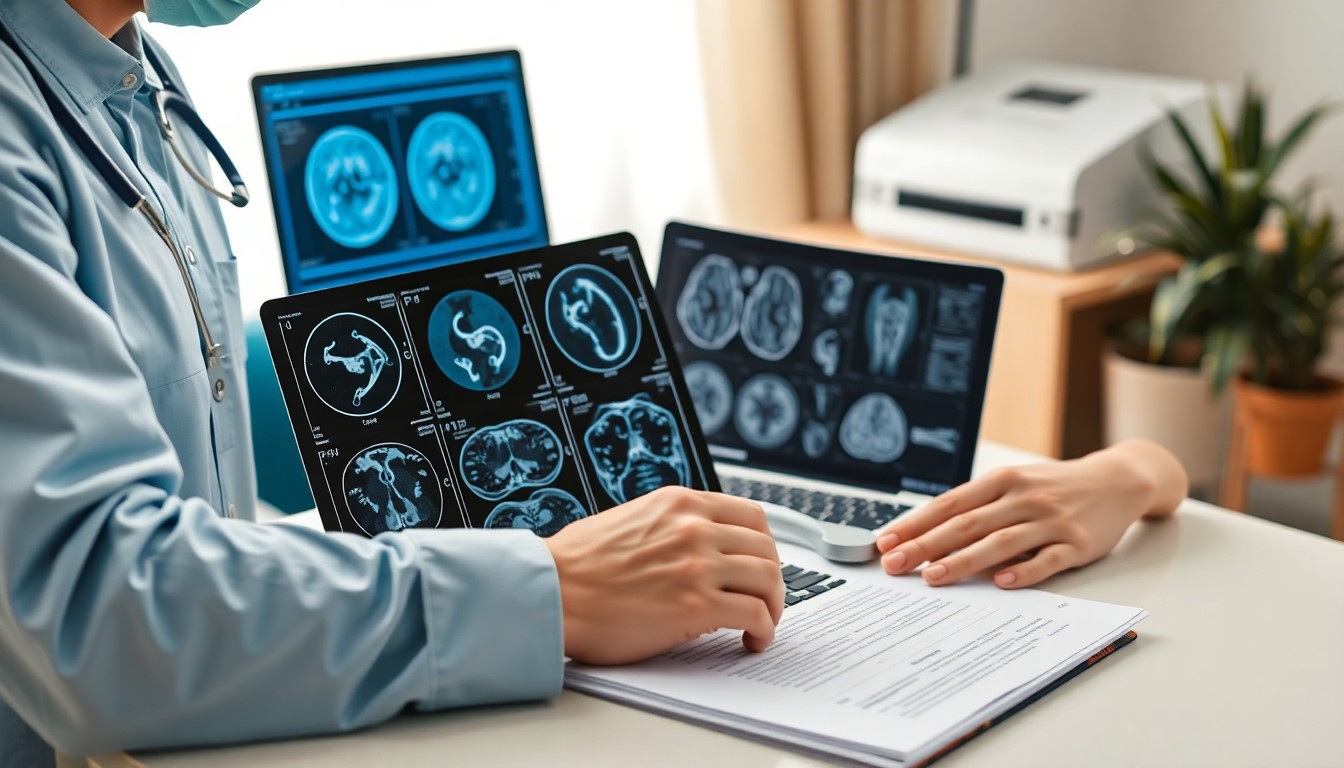
Stage 2: Travel to Japan & On-Site Care
「After arrival in Japan, medical interpreters and coordinators accompany check-in, consultations and explanations, reducing language gaps and last-minute changes.」
- Travel-readiness, entry-document and visa checklist support
- Transportation, accommodation, and hospital check-in assistance in Japan
- Medical-background interpreter accompanying all appointments
- Emergency coordination for incidents during treatment

Stage 3: Recovery Follow-up & Long-Term Management
「After you return home, we help coordinate follow-up communication, translate reports, organize questions for the medical institution, and support administrative follow-up. Clinical monitoring and medical decisions remain the responsibility of licensed physicians.」
- Translation and archiving of Japanese examination reports
- Assisting your local physician with reports on Japan treatment
- Scheduling cross-border video follow-ups
- Administrative support for medication delivery and refills

Support Flow Before and After Your Visit
From record organization and institution review to travel preparation and follow-up, each step is explained in advance
6 practical things accompanying family should know
Logistical-only information to help family plan their trip alongside the patient.
Is family accompaniment needed?
Same-day immunotherapy, health checkups, and online second-opinion sessions can be handled by the patient alone. Treatments requiring hospitalisation (particle therapy, surgery) are best with at least one family member present.
Accommodation & living costs
Long-stay apartments near the hospital range ¥6,000–12,000/night (kitchenette included); business hotels ¥10,000–18,000/night. Convenience stores are open 24 h; ATMs are in subway stations. We arrange and compare options for you.
Required entry documents
You may need a passport, hospital appointment materials, proof of funds, itinerary and companion information. Exact documents vary by nationality and official requirements; we help organize the checklist and medical materials but do not currently issue visa guarantor letters.
Japanese hospital etiquette
Japanese hospitals value quiet and punctuality. During doctor consultations, designate 1–2 family members as the speaker to avoid simultaneous questions. Our coordinator guides the flow on site.
Language: where to expect what
Inside the hospital — registration, payment, pharmacy pickup — our interpreter accompanies you. Hotels, restaurants and convenience stores typically offer English/Chinese menus; daily life is straightforward.
Emergency contacts
24-hour advisor line +81-92-984-3200; inside the hospital, call the nurse station; Japan emergency 119 (ambulance) / 110 (police). LINE is also open for urgent notifications.
This guide is logistical reference only and does not constitute medical advice. All treatment decisions remain with your attending physician.
Why a Japan-based coordination contact helps
International patients usually need medical records, imaging, visit purpose, budget, and stay length organized before a Japanese-language contact can confirm whether an institution can review the case. This reduces mistranslation, missing documents, and unclear scheduling.