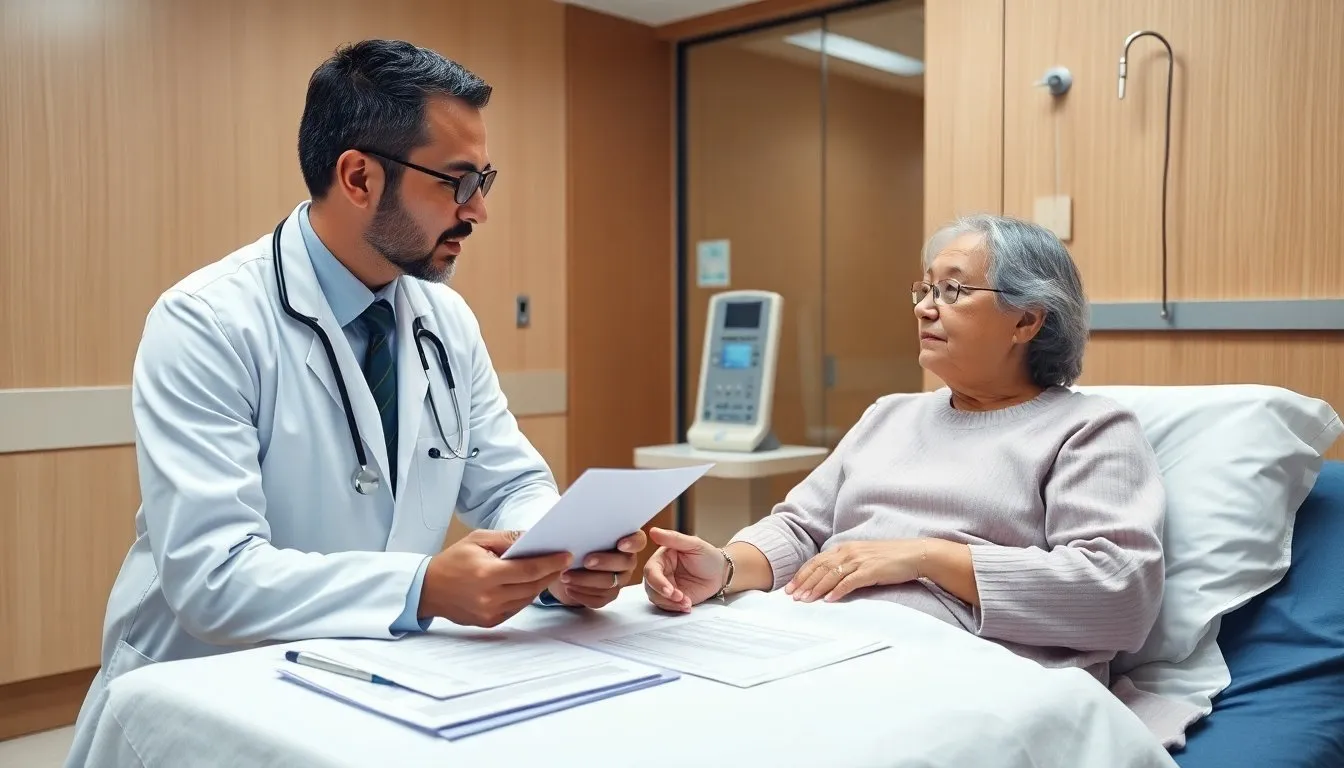
Cancer Vaccines and Immunotherapy for Pancreatic Cancer in Japan
Medical Supporter — Information Notice
This article is a summary of international medical information and is not medical advice; it cannot replace the diagnosis or treatment plan of your attending physician. The medical technologies, drug information and clinical data presented here are compiled from public literature and official statements of Japanese medical institutions; the applicability and outcome of any therapy vary with each patient and must be assessed individually by a qualified physician.
Pancreatic cancer is often referred to as the "king of cancers" due to its aggressive nature and the difficulty of early detection. While standard treatments like surgery and chemotherapy remain foundational, Japan has emerged as a global hub for the development of latest cancer vaccines and personalized immunotherapy.
1. How Therapeutic Cancer Vaccines Work
Unlike traditional vaccines that prevent infection, therapeutic cancer vaccines aim to treat existing disease. Common types include:
- Dendritic Cell (DC) Vaccines: Dendritic cells are "messenger" cells of the immune system. They are harvested from the patient, "trained" in a laboratory to recognize specific tumor antigens, and then re-infused to trigger a targeted immune response.
- Peptide Vaccines: These use small fragments of proteins (peptides) found specifically on cancer cells to stimulate the patient's T-cells to attack the tumor.
2. Research at Kanagawa Cancer Center (KCCH)
The Kanagawa Cancer Center is a institution in Japan actively conducting clinical research on immunotherapy for refractory cancers.
Key Research Focus:
- Combining Immunotherapy with Chemotherapy: Researchers are studying whether combining vaccines with chemotherapy can shrink tumors enough to make some inoperable cases eligible for surgery. This remains under investigation.
- Treating Chemo-Refractory Cases: Clinical trials often focus on patients for whom standard first-line therapies have failed, seeking to provide a "second wind" for the immune system.
3. Why Choose Japan for Immunotherapy?
Japan’s medical landscape is uniquely supportive of regenerative and cell-based medicine:
- Safety and Regulation: The "Act on the Safety of Regenerative Medicine" provides a strict national framework for cell cultivation and clinical application, ensuring high safety standards.
- Regulatory Requirement: Under Japan's Act on the Safety of Regenerative Medicine, cell processing must take place in facilities that hold the required permit or have filed the required notification.
- Evidence-Based Integration: Japanese oncologists specialize in integrating these novel therapies with standard care to pursue suitable outcomes for individual patients.
Medical Supporter: Professional Consulting and Referral
Treating pancreatic cancer is a race against time. If standard options are limited, Medical Supporter can help you explore the latest clinical recruitment information in Japan and facilitate second opinions with specialists.
#PancreaticCancer #CancerVaccine #DendriticCell #Immunotherapy #JapanMedicine #CancerResearch #PersonalizedMedicine
Considering medical care in Japan? Need information and support?
We help you organize the information needed for medical travel to Japan, liaise with Japanese medical institutions, and arrange a second-opinion consultation.The first consultation is free (initial direction only; further services are quoted separately); an advisor will help you clarify the next steps.
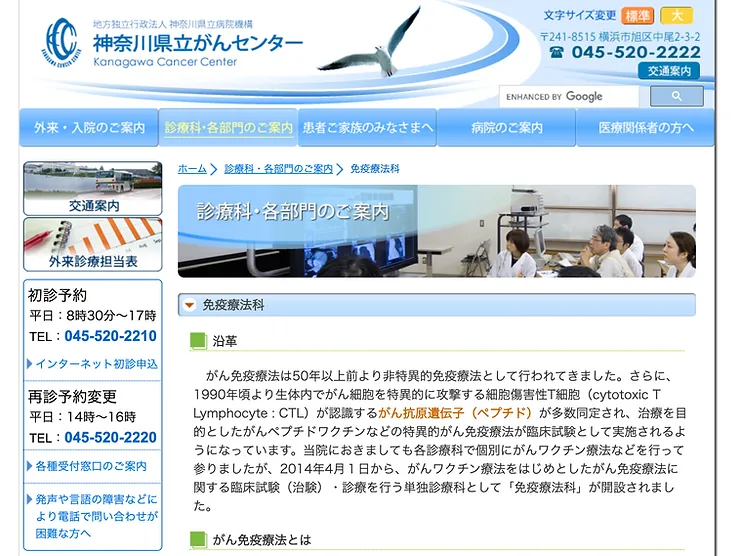 Figure 1
 Figure 2
 Figure 3
 Figure 4