Understanding cancer treatment options in Japan
Begin with standard care, then understand distinct therapies and institutions. We help organize records and coordinate second opinions; physicians provide diagnosis and treatment advice for your case.
01 / STANDARD CARE
Start with standard care, then discuss what comes next
Standard care uses evidence and clinical guidelines to match treatment to the cancer, stage and overall health. It does not mean outdated care. A second opinion can be sought before treatment or when reviewing an existing plan.
Browse treatment information by cancer type
Choose a body region, then your cancer type, to find treatment, medication and care articles. For research information, check the date and eligibility.
Surgery and endoscopic treatment
Extent of removal and function
Surgery and endoscopic treatment
Extent of removal and function
Surgery, or endoscopic removal when appropriate, addresses local lesions. Resectability, organ function and the need for treatment before or after surgery depend on cancer type, stage and fitness. Removal does not guarantee that cancer will not return.
- ・Extent of removal and function
- ・Before- and after-surgery planning
Radiotherapy
External beam / brachytherapy
Radiotherapy
External beam / brachytherapy
Radiotherapy treats defined areas for cancer control, care around surgery or symptom relief. Approaches include external-beam radiation and brachytherapy. Proton and heavy-ion treatment require separate assessment of indications and are not suitable or necessary for everyone.
- ・External beam / brachytherapy
- ・Particle therapy: check indications
Chemotherapy, targeted and hormone therapy
Chemotherapy
Chemotherapy, targeted and hormone therapy
Chemotherapy
Chemotherapy, targeted drugs and hormone therapy act differently and have different indications. Selection depends on pathology, stage, biomarkers, previous treatment and organ function. An oncologist reviews suitability, adverse effects and combinations.
- ・Chemotherapy
- ・Targeted / hormone therapy
Immune checkpoint inhibitors
PD-1 / PD-L1 / CTLA-4
Immune checkpoint inhibitors
PD-1 / PD-L1 / CTLA-4
These drugs act on immune checkpoints such as PD-1, PD-L1 and CTLA-4. They can form part of standard care for certain cancers within approved indications. Cancer type, stage, biomarkers and immune-related adverse effects guide assessment. They differ from cultured NK/BAK cell infusions.
- ・PD-1 / PD-L1 / CTLA-4
- ・Approved indications and immune-related risks
02 / TREATMENTS & INSTITUTIONS
Want to explore other treatments and institutions?
02 / TREATMENTS & INSTITUTIONS
Want to explore other treatments and institutions?
Indications, approval status and evidence differ across these approaches; some involve self-pay or investigational care. Checkpoint inhibitors and cultured immune-cell therapies are different approaches, not interchangeable. Discuss suitability and combinations with your treating physician.
Regenerative medicine and health management have a separate guide; they are not listed as standard cancer care.Heavy Ion / Proton Therapy
Particle / Local Therapy
Heavy Ion / Proton Therapy
Particle / Local Therapy
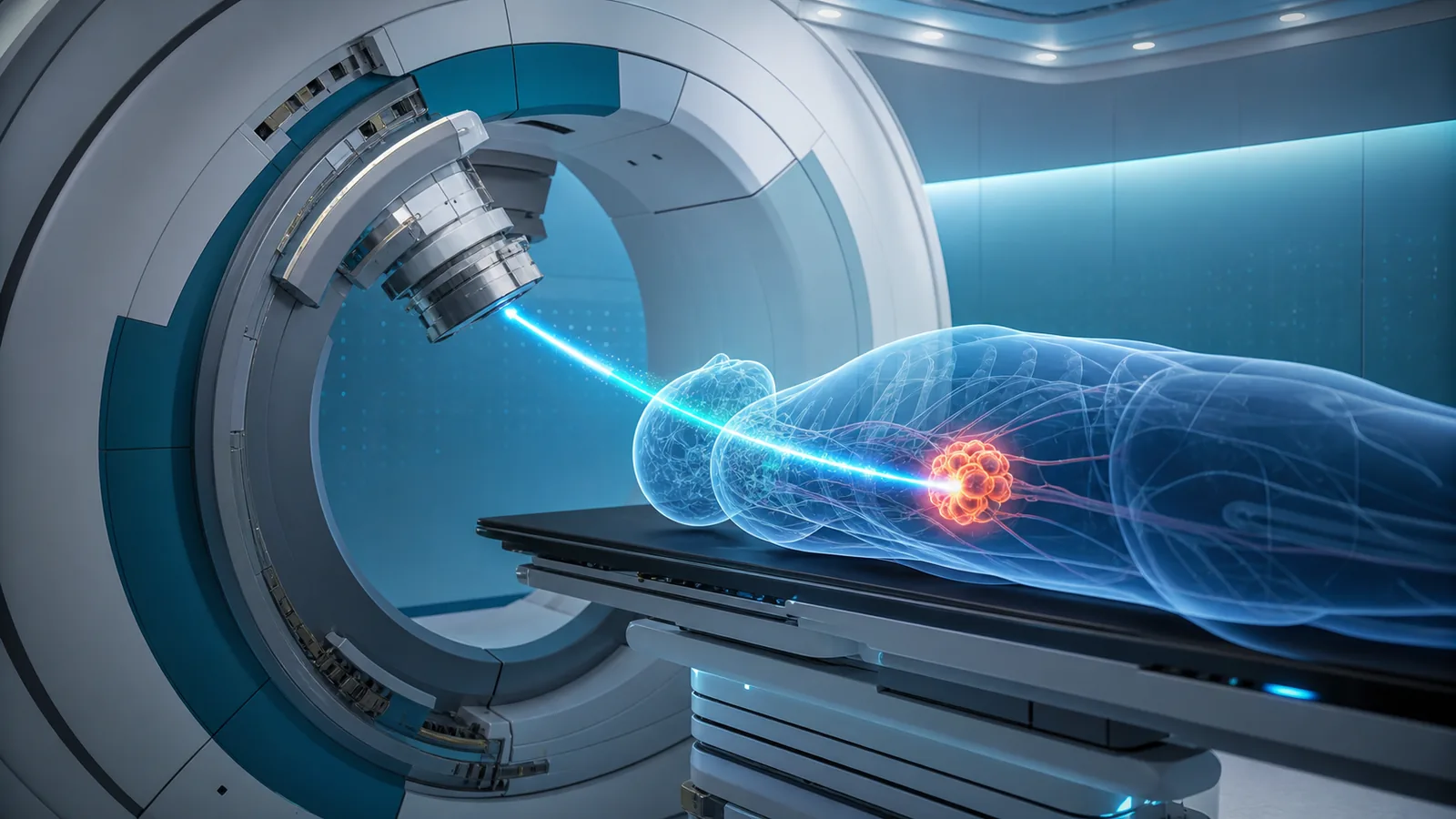
Particle therapy uses carbon ions or protons and the Bragg Peak effect to concentrate radiation dose at tumor depth. Institutions such as QST, SAGA HIMAT, and MediProton evaluate suitability based on cancer type, stage, imaging, and prior treatment records; fractions, risks, and expected benefits must be explained by radiation oncologists.
- ・Carbon-ion and proton therapy evaluation
- ・Bragg Peak dose-concentration planning
- ・QST respiratory gating, 3D scanning, and rotational irradiation options
- ・Fractions and risks explained case by case by the hospital
Near-Infrared Photoimmunotherapy / ICG Liposome
Particle / Local Therapy
Near-Infrared Photoimmunotherapy / ICG Liposome
Particle / Local Therapy
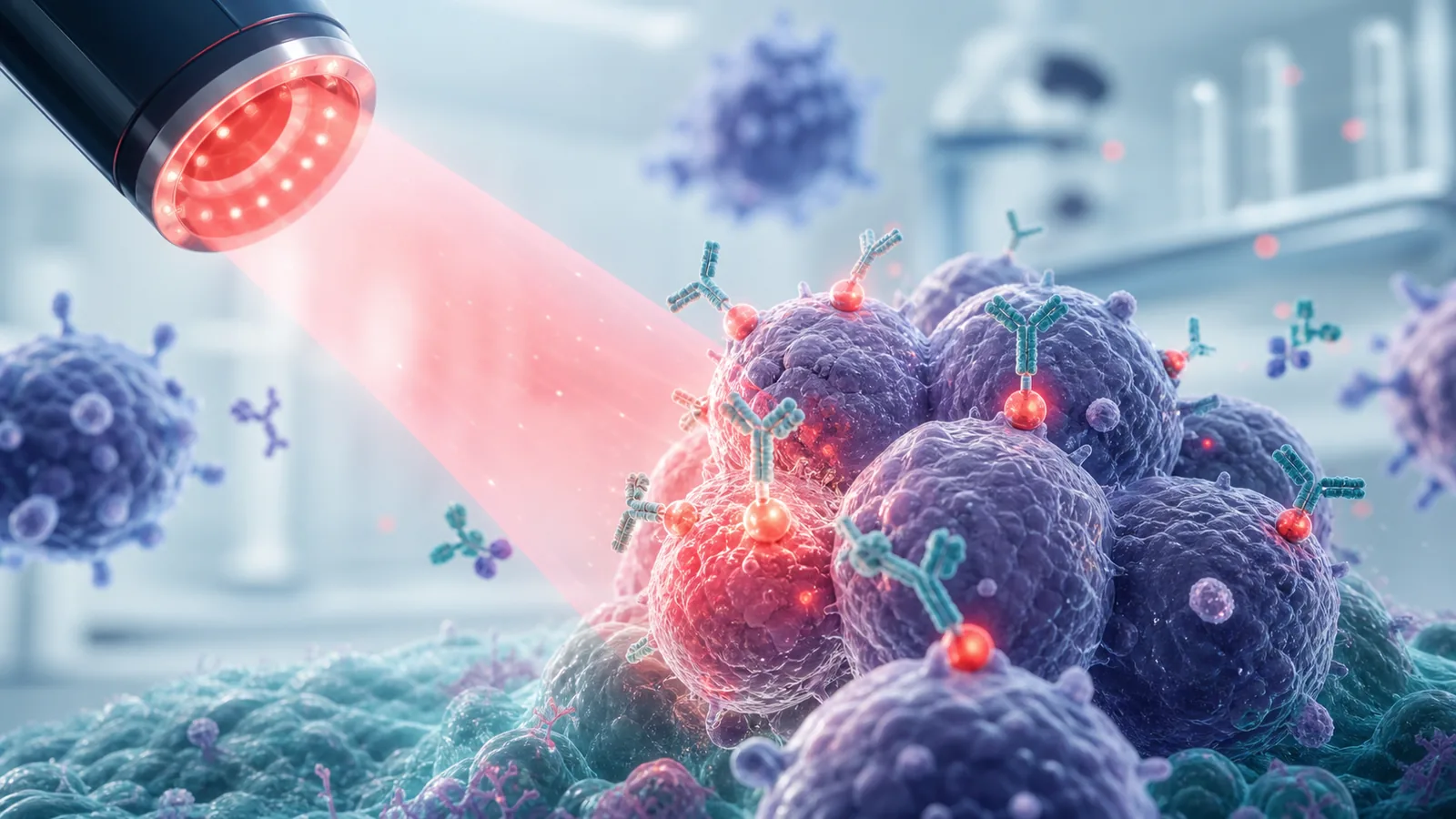
Summarizes public consultation information on photoimmunotherapy, photodynamic, and sonodynamic options from TGC Tokyo Cancer Clinic, Tokyo Cancer Clinic, and Saisei Mirai Group. Irradiation method, depth, fees, risks, and current availability require case-by-case confirmation.
- ・PIT / ICG Liposome availability requires confirmation
- ・External and intravascular irradiation conditions must be checked
- ・ERP / photosensitizer information is technical background
- ・Do not frame as immune-memory or efficacy guarantees
ECCT Electric Field Adjuvant Therapy
Particle / Local Therapy
ECCT Electric Field Adjuvant Therapy
Particle / Local Therapy
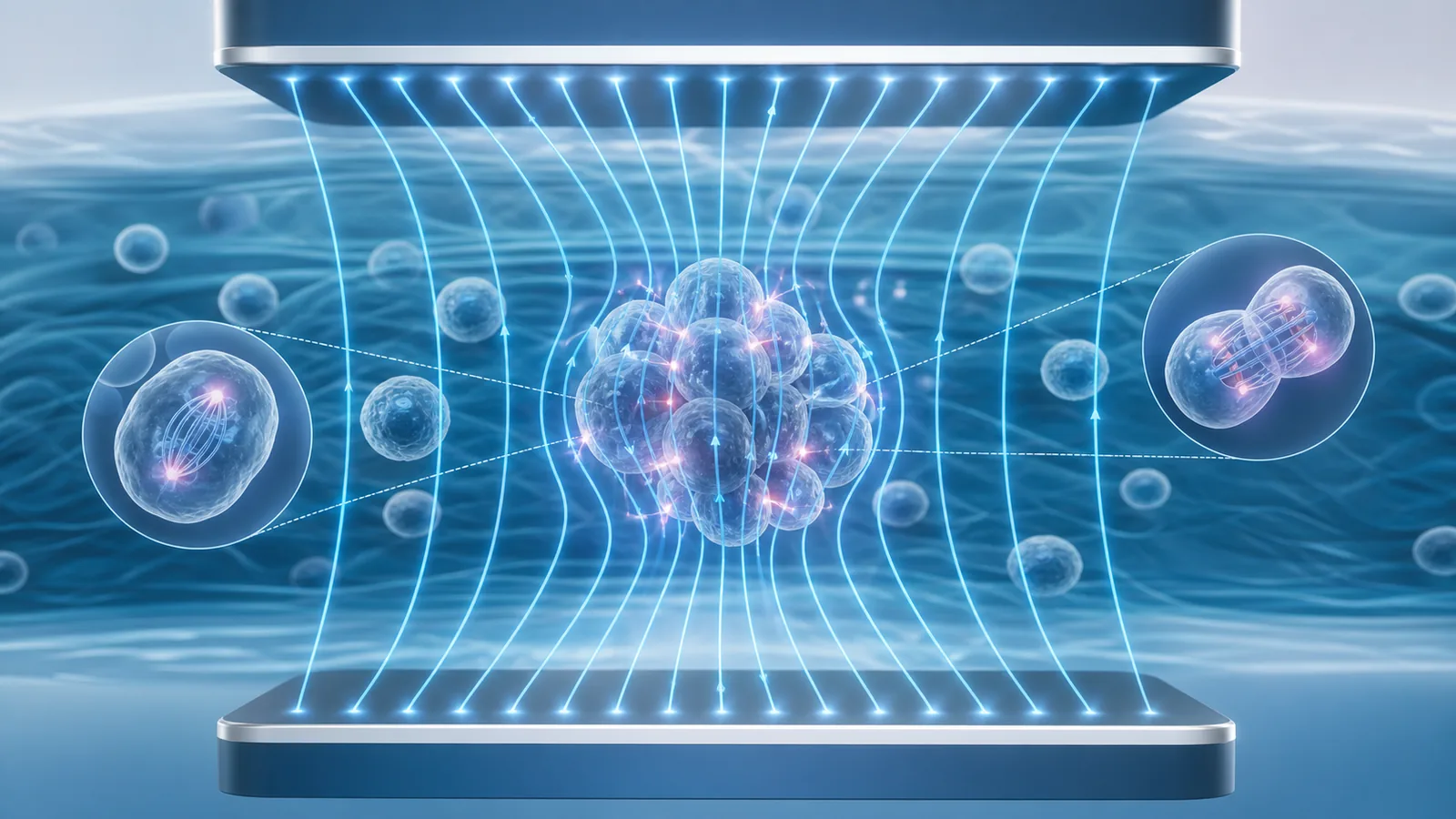
Summarizes consultation information on ECCT low-frequency electric-field adjunctive therapy. Eligibility, combination with standard care, device use, fees, and risks require case-by-case clinic confirmation.
- ・Physical mechanism requires clinic confirmation
- ・Wearable-device use needs confirmation
- ・Explored in research as an adjunct to chemotherapy
Six-Cell Combination Immunotherapy
Immune-cell Therapy Consultation
Six-Cell Combination Immunotherapy
Immune-cell Therapy Consultation
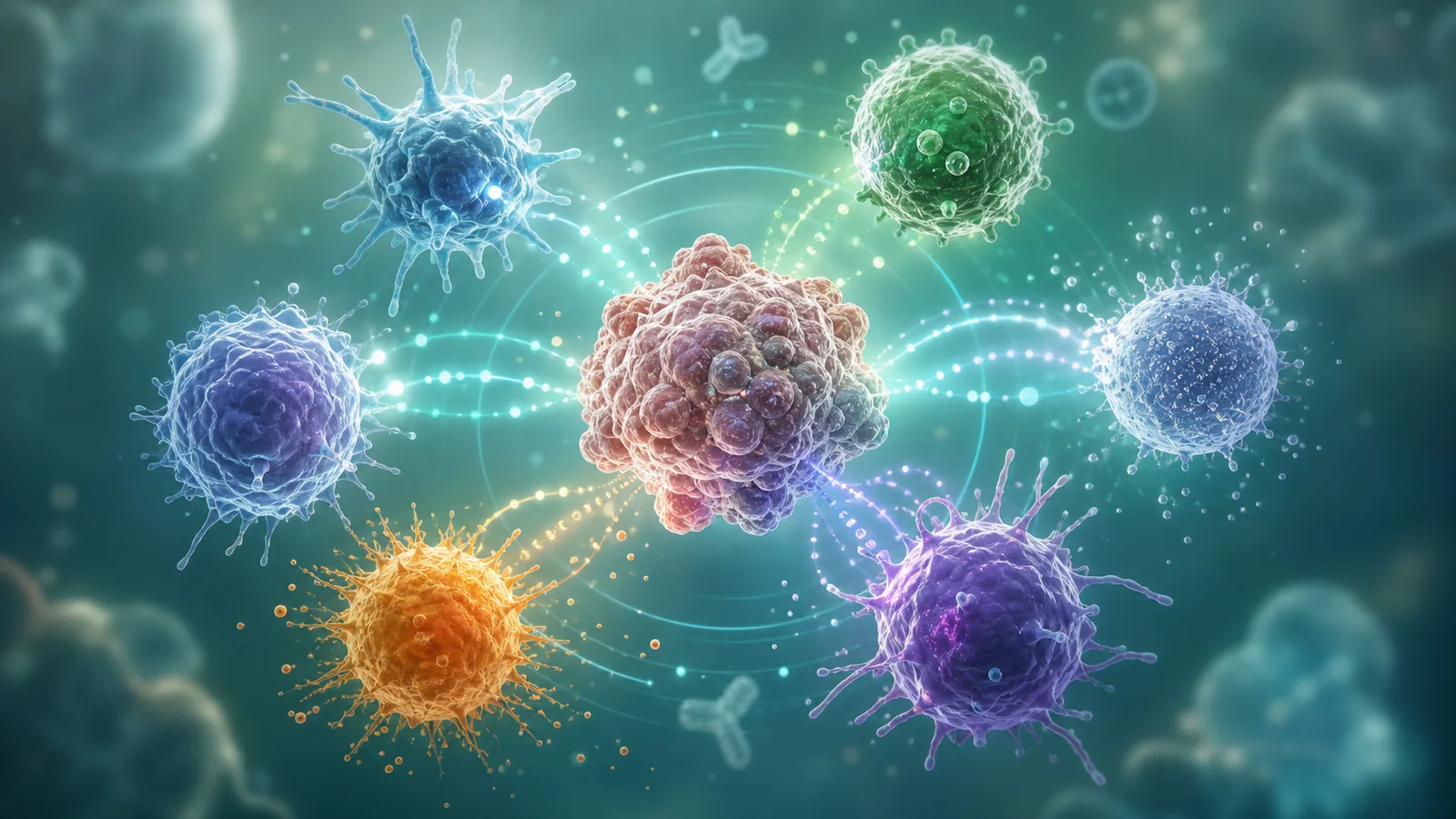
Dojin Clinic’s six-cell combination uses helper T, killer T, γδT, NK, NKT and dendritic cells. The clinic assesses suitability, blood collection, autologous-cell culture, fees and coordination with existing treatment from the medical records.
- ・Six-cell combination at Dojin Clinic
- ・Autologous-cell collection and culture
- ・Physician review of eligibility and combinations
NK Cell / BAK Therapy
Immune-cell Therapy Consultation
NK Cell / BAK Therapy
Immune-cell Therapy Consultation
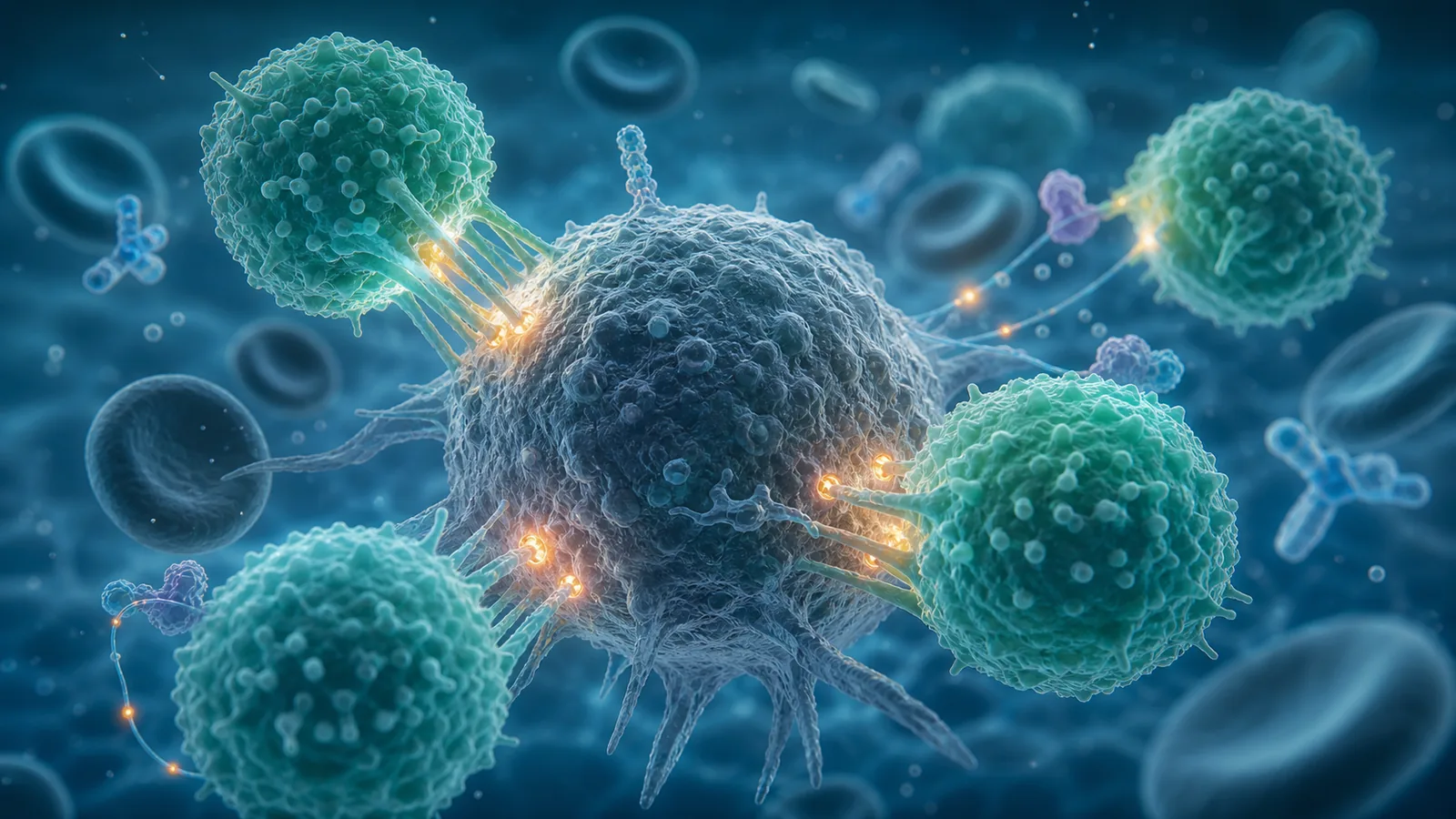
NK-cell and BAK information concerns immune-cell approaches involving autologous-cell collection, culture and infusion. Cell types, preparation and availability differ by institution. Eligibility, risks, fees and follow-up require review of the medical records.
- ・Autologous immune-cell collection and culture
- ・Confirm BAK availability with the institution
- ・Review infusion plans, risks and follow-up
Personalized Neoantigen Vaccine
Immune-cell Therapy Consultation
Personalized Neoantigen Vaccine
Immune-cell Therapy Consultation
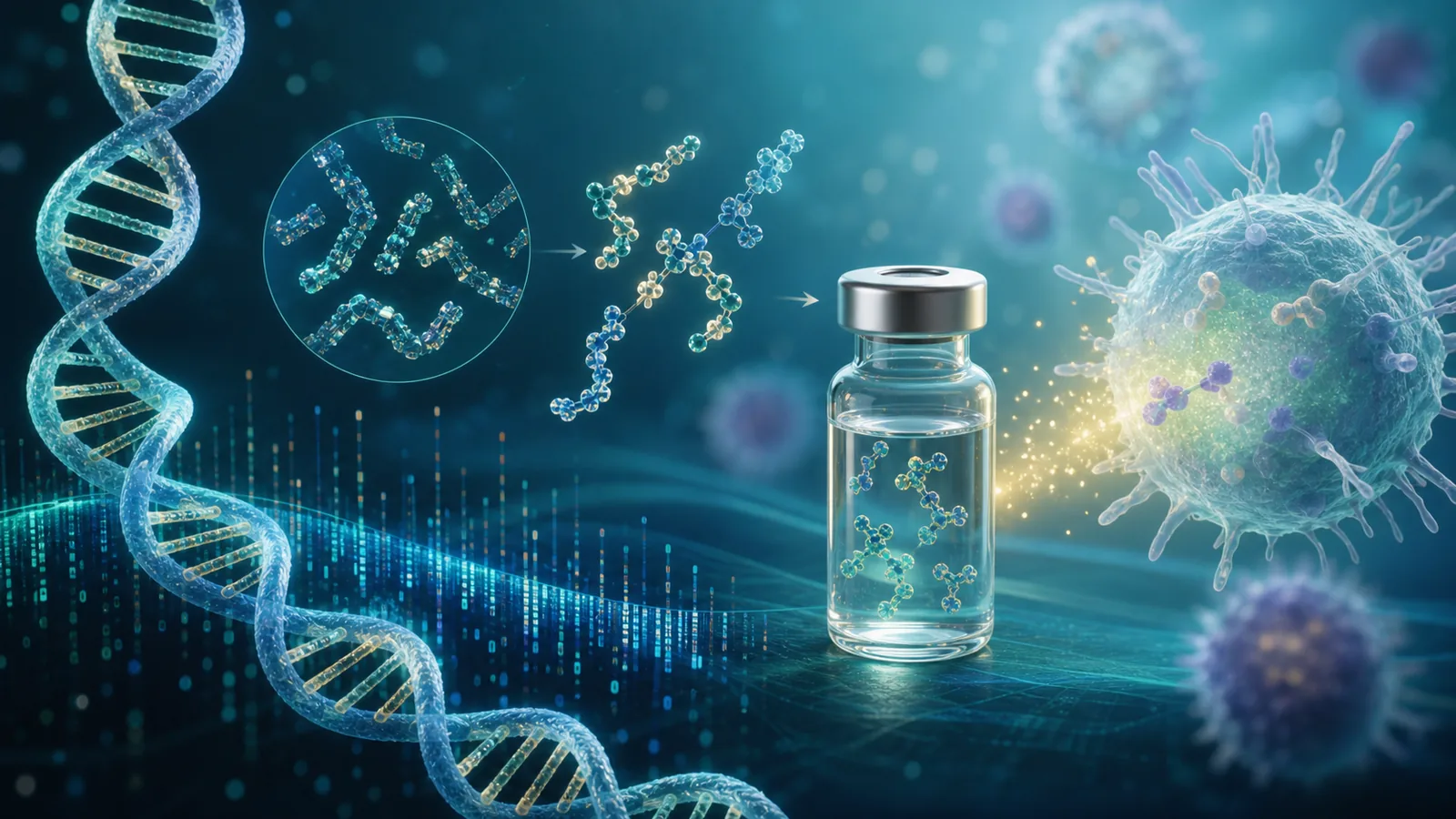
Tumor mutation analysis helps identify candidate neoantigens for personalized vaccines. Testing, peptide preparation and administration vary by institution. Fukuoka Cancer General Clinic uses this approach in dendritic-cell vaccines, subject to specimen, feasibility and eligibility review.
- ・NGS and AI analysis may support physician evaluation
- ・Suitability for a personalized approach must be reviewed by a physician
- ・Research background and current availability require case-by-case confirmation
GcMAF / Hybrid MAT Macrophage Activation Therapy
Immune-cell Therapy Consultation
GcMAF / Hybrid MAT Macrophage Activation Therapy
Immune-cell Therapy Consultation
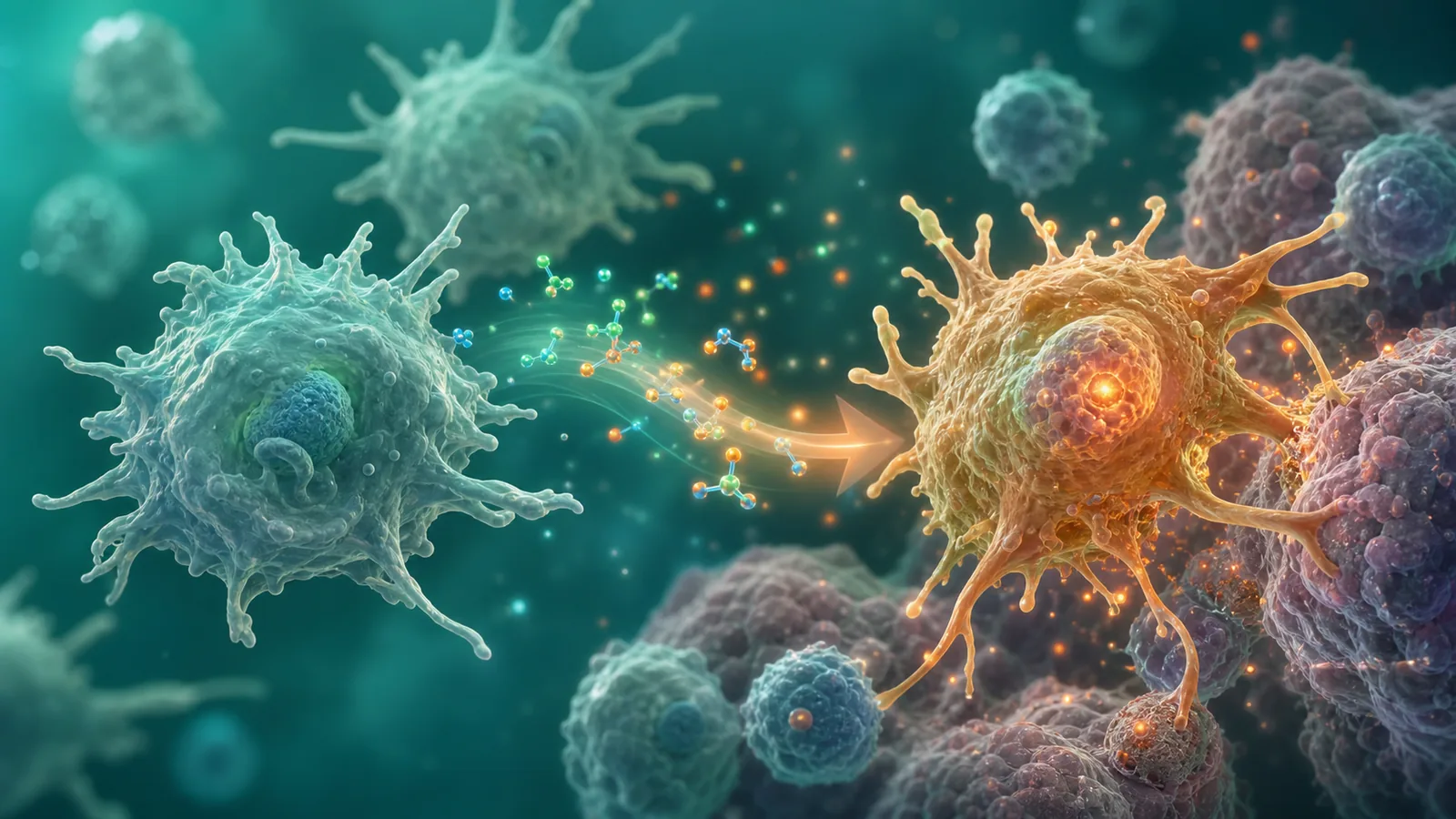
Ginza Ichome Clinic describes Hybrid MAT as a plant-derived IAF immune-modulator approach combined with supportive oral ARL. Saisei Mirai Group describes GcMAF specimen analysis and blood-derived preparation. These are self-pay treatment materials and require confirmation of current availability, testing flow, fees, and relationship with standard care.
- ・Hybrid MAT and GcMAF details should be confirmed separately
- ・Specimen analysis and preparation flow require review
- ・Self-pay and supportive-care consultation
Cancer Gene Therapy
Gene-related Therapy Consultation
Cancer Gene Therapy
Gene-related Therapy Consultation
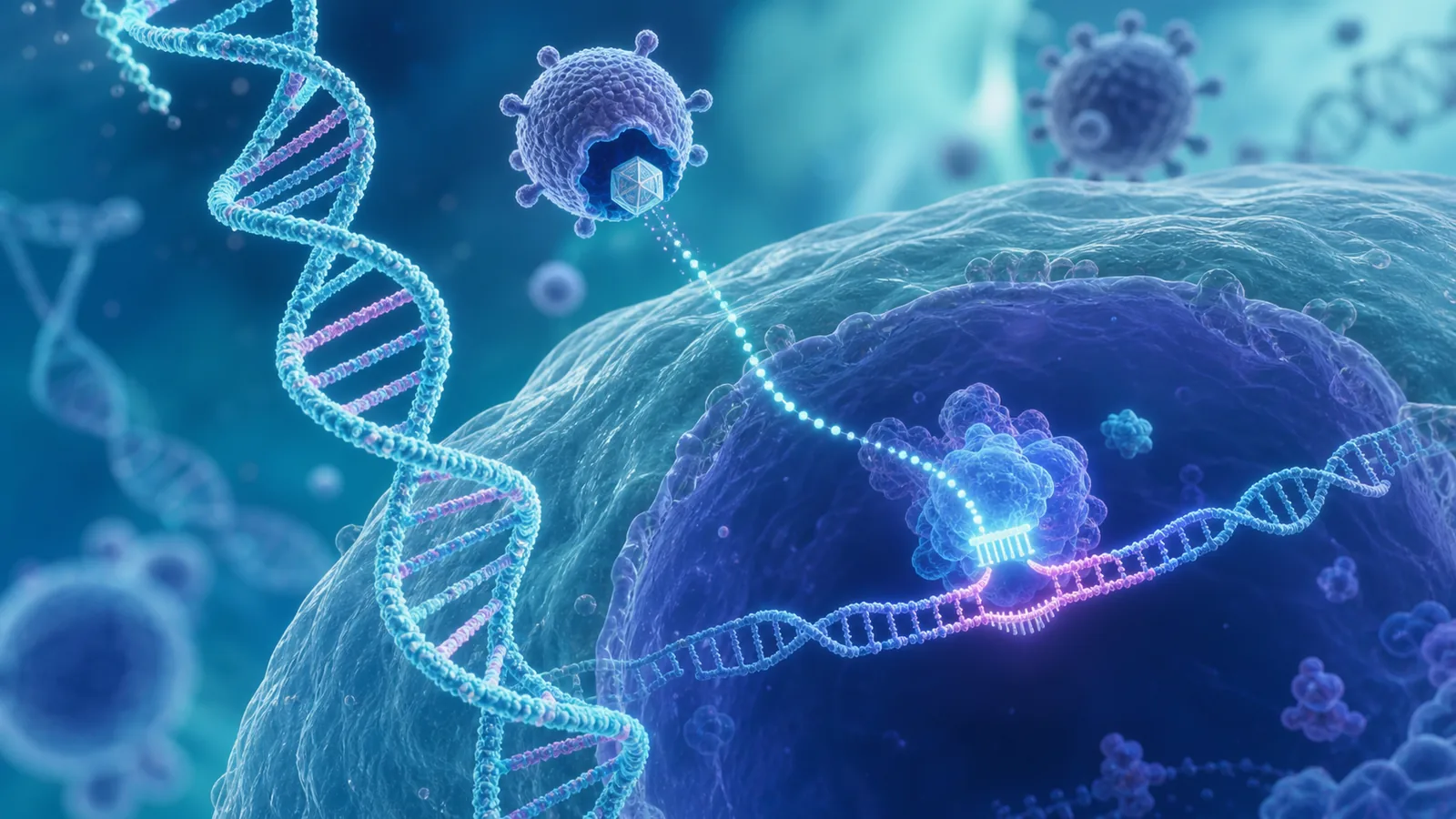
Summarizes cancer gene-therapy consultations described in partner-clinic public materials, including Gankyrin-silencing RNA, TRAIL, CDC6shRNA, p16, and JG-1. Current availability, eligibility, fees, risks, and relationship with standard care must be confirmed case by case with the receiving clinic.
- ・Tumor-suppressor injection consultation
- ・Gankyrin-silencing RNA consultation
- ・TRAIL / CDC6 targets require case-by-case confirmation
- ・JG-1 and vector information require case review
Hasumi Cancer Vaccine (HITV)
Immune-cell Therapy Consultation
Hasumi Cancer Vaccine (HITV)
Immune-cell Therapy Consultation
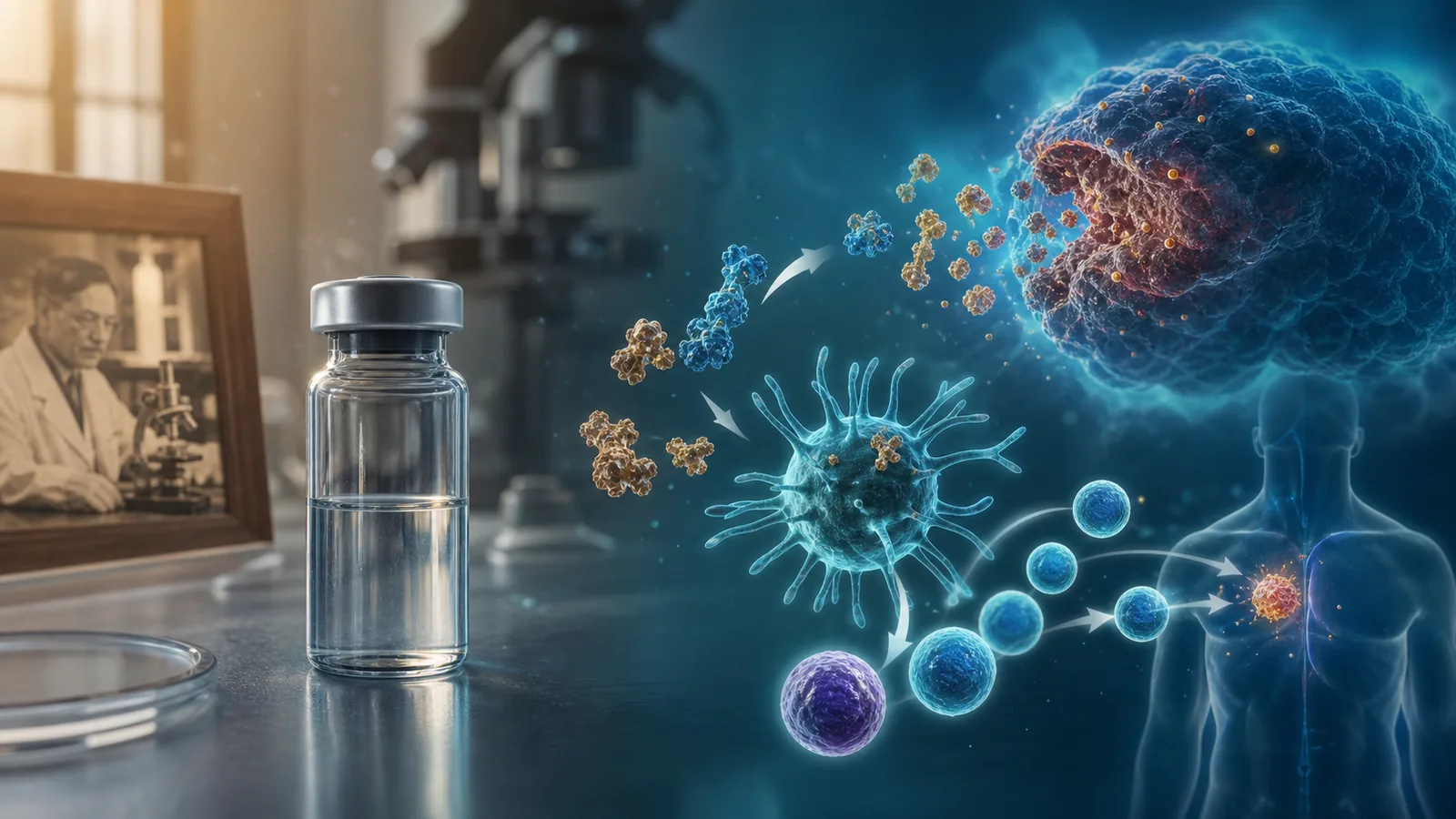
Summarizes Hasumi Clinic public consultation information on Hasumi vaccine, HITV, preHITV, and immune-cell therapy. History, case numbers, and technical background may be cited as clinic material, but not as guarantees of efficacy, low side effects, or eligibility.
- ・Hasumi vaccine history and case counts are background only
- ・Side effects and follow-up require confirmation
- ・Cancer type and patient eligibility require physician review
Dendritic Cell Vaccine
Immune-cell Therapy Consultation
Dendritic Cell Vaccine
Immune-cell Therapy Consultation
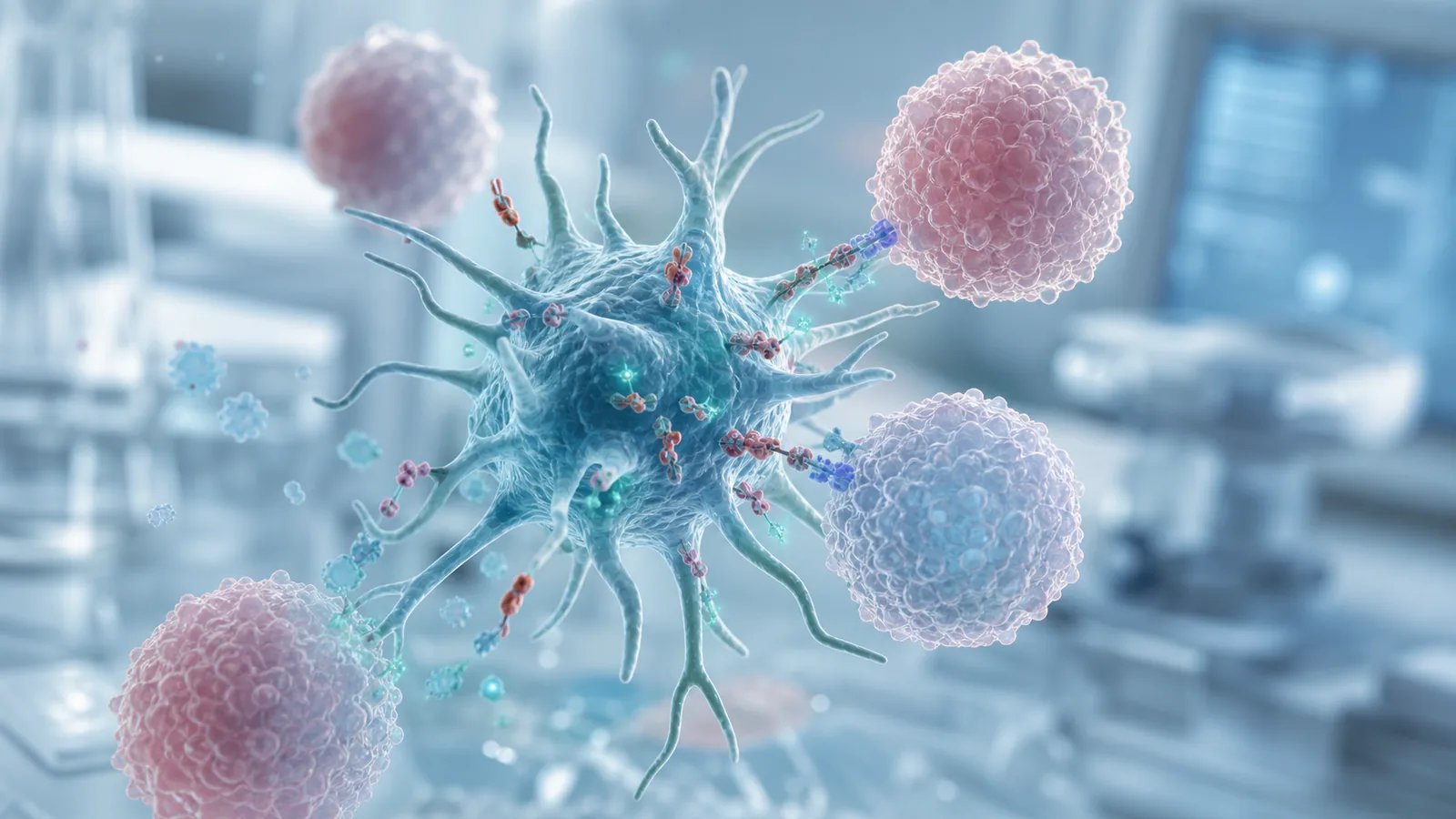
Dendritic cells present antigens. These vaccine approaches use patient-derived cells and selected tumor antigens. Antigen selection, cell culture and administration differ by institution; one clinic’s technique should not be assumed to apply to all. Goals, risks and eligibility require individual review.
- ・Tumor-marker information should be explained by the institution
- ・Immune response and suitability require case-by-case review
- ・Blood draw volume and physical burden must be confirmed by the physician
Activated Autologous Lymphocyte Therapy
Immune-cell Therapy Consultation
Activated Autologous Lymphocyte Therapy
Immune-cell Therapy Consultation
Fukuoka Cancer General Clinic cultures lymphocytes from the patient’s blood, mainly activated T cells and NK cells. This is distinct from six-cell combination therapy. Collection, infusion, fees and coordination with standard care are explained case by case.
- ・Activated T cells and NK cells
- ・Fukuoka Cancer General Clinic
- ・Self-pay; individual assessment
About Japan's Advanced Cancer Treatments
Which cancer therapies does Medical Supporter introduce?
Who are these therapies intended for?
How do I arrange a second opinion with a Japanese physician?
What advanced cancer treatments are available in Japan?
What is heavy-ion therapy?
How much does cancer treatment in Japan cost?
Why do I need Medical Supporter's coordination service?
This page summarizes cancer treatment options and partner medical institutions in Japan. Medical Supporter provides transparent cross-border coordination for record preparation, second opinions and hospital evaluation; indications, expected benefits and risks must be reviewed individually by physicians.