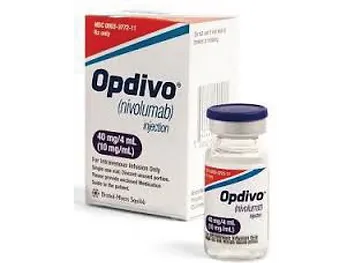
[Lung Cancer Immunotherapy] Exploring First-Line Combination Regimens: CheckMate-227 Analysis of Opdivo Plus Chemotherapy in NSCLC
Medical Supporter — إشعار معلوماتي
هذه المقالة ملخص لمعلومات طبية دولية وليست نصيحة طبية، ولا يمكن أن تحل محل تشخيص طبيبك المعالج أو خطة العلاج. المعلومات المعروضة مجمّعة من منشورات عامة وبيانات رسمية لكبرى المؤسسات الطبية اليابانية؛ وتختلف ملاءمة ونتائج أي علاج من مريض لآخر ويجب أن يقيّمها طبيب مؤهل لكل حالة على حدة.
CheckMate-227: Analyzing the First-Line Clinical Value of Opdivo Plus Chemotherapy
In the first-line treatment of non-small cell lung cancer (NSCLC), optimizing the combination of immunotherapy with conventional chemotherapy has been a key focus of clinical research. The CheckMate-227 Phase 3 trial (Part 2) investigated this question in depth, aiming to evaluate the advantage of nivolumab (Opdivo) plus chemotherapy over chemotherapy alone.
1. CheckMate-227: Data Observations Across Histological Subtypes
This trial randomized patients to "Opdivo + chemotherapy" or "chemotherapy alone" groups. Although the predefined primary survival endpoint was not met in the overall non-squamous carcinoma population, positive trends were observed in specific subgroups.
Key Clinical Data:
- Squamous cell carcinoma subgroup: Demonstrated more pronounced survival benefit. The Opdivo combination group achieved a median OS of 18.27 months, significantly outperforming the chemotherapy group (11.96 months), with a 31% reduction in death risk.
- Overall survival rate: 1-year survival rate was 67.3% in the combination group vs. 59.2% in the chemotherapy group.
- Safety: The side effect profile of the combination therapy was consistent with prior clinical experience, with no unexpected safety signals.
2. Clinical Implications: Precision Histotyping and Treatment Decisions
The CheckMate-227 results underscore that lung cancer treatment must be built on "precision histotyping." For squamous cell carcinoma patients, immune-chemotherapy combinations demonstrate strong therapeutic potential. For non-squamous cell carcinoma, the optimal sequence — monotherapy, dual immunotherapy, or chemo-immunotherapy — requires comprehensive evaluation of PD-L1 expression levels and genetic mutation status.
3. Why Do Japanese Physicians Emphasize Individualized Assessment?
In managing NSCLC, Japan places great emphasis on subtle differences in pathological histology. Regarding the CheckMate-227 regimen, Japanese experts can combine a patient's performance status and comorbidities to find the optimal balance between "maximizing benefit" and "minimizing adverse event risk."
Medical Supporter Connects You Precisely to Japan's Lung Cancer Specialists
Immunotherapy regimens are numerous and highly specialized. If you wish to understand how Japan's top hospitals apply the CheckMate-227 research findings in clinical practice, the Medical Supporter team can help you obtain second medical opinion consultations and provide tailored Japan medical visit planning based on your histological subtype.
Medical Supporter was formerly certified as an international medical visa guarantor by Japan's Ministry of Foreign Affairs and the Ministry of Economy, Trade and Industry (B-066).
هل تفكر في تلقّي العلاج في اليابان؟ هل تحتاج إلى معلومات ومساعدة؟
نساعدك في تنظيم المعلومات اللازمة للسفر الطبي إلى اليابان، والتواصل مع المؤسسات الطبية اليابانية، وترتيب استشارة رأي ثانٍ.الاستشارة الأولى مجانية؛ سيساعدك المستشار على توضيح الخطوات التالية.
Figure 1
Figure 2
Figure 3
Figure 4
![[Lung Cancer Immunotherapy] Exploring First-Line Combination Regimens: CheckMate-227 Trial Analysis of Opdivo Plus Ch...](/_next/image?url=%2Fimages%2Fblog%2Flungcanceruseopdivo-0.webp&w=3840&q=75)