![[Lung Cancer Advanced Treatment] Cutting Off Tumor Nutrients: Cyramza in Second-Line NSCLC](/images/blog/non-small-cell-lung-cancercyramza-0.webp)
[Lung Cancer Advanced Treatment] Cutting Off Tumor Nutrients: The Clinical Role of Cyramza Combined with Chemotherapy in Second-Line NSCLC
Medical Supporter — Information Notice
This article is a summary of international medical information and is not medical advice; it cannot replace the diagnosis or treatment plan of your attending physician. The medical technologies, drug information and clinical data presented here are compiled from public literature and official statements of major Japanese medical institutions; the applicability and outcome of any therapy vary with each patient and must be assessed individually by a qualified physician.
In the second-line treatment of non-small cell lung cancer (NSCLC), beyond the widely known immunotherapy options, anti-angiogenic agents combined with chemotherapy also hold an important place. Japan's Ministry of Health, Labour and Welfare has officially approved Cyramza (Ramucirumab) combined with docetaxel for previously treated lung cancer patients, providing a solid treatment option for many patients who have failed first-line targeted therapy or chemotherapy.
1. Mechanism of Action of Cyramza
Cyramza is a monoclonal antibody targeting vascular endothelial growth factor receptor 2 (VEGFR-2). Its mechanism of action:
- Cutting off nutrients: Blocks the formation of new tumor blood vessels — effectively cutting off the cancer cell's "logistics supply line."
- Synergistic enhancement: Improves intratumoral pressure, allowing concurrently administered chemotherapy agents (such as docetaxel) to more effectively penetrate the tumor.
2. Clinical Evidence: Benefit Across Multiple Patient Groups
Clinical trial data confirm that Cyramza combination therapy demonstrates value across multiple subgroups:
- EGFR-mutant patients: In patients with resistance to EGFR-targeted therapies, this combination has demonstrated good salvage treatment efficacy.
- Survival endpoints: The combination significantly improves both overall survival (OS) and progression-free survival (PFS), raising the "ceiling" of second-line treatment.
3. Safety and Adverse Event Management
Anti-angiogenic drugs have characteristic side effects, including:
- Hypertension and proteinuria: Common responses to VEGFR inhibitors; regular blood pressure monitoring is required.
- Bleeding risk: The medical team assesses tumor location and cavitation to prevent bleeding events.
Japan's leading hospitals have highly refined clinical pathways for managing Cyramza-related adverse events, ensuring patients can maintain long-term treatment safely.
Medical Supporter — Your Cancer Treatment Strategy Advisor
The selection of second-line treatment regimens requires in-depth comprehensive evaluation based on genetic status and prior treatment efficacy. If you are at a turning point in your treatment plan, the Medical Supporter team can help connect you with leading Japanese lung oncology specialists who will analyze the potential benefits of Cyramza combination therapy for your specific case, and create a precise medical travel plan to Japan for you.
Medical Supporter was formerly certified as an international medical visa guarantor by Japan's Ministry of Foreign Affairs and the Ministry of Economy, Trade and Industry (B-066).
Considering medical care in Japan? Need information and support?
We help you organize the information needed for medical travel to Japan, liaise with Japanese medical institutions, and arrange a second-opinion consultation.The first consultation is free; an advisor will help you clarify the next steps.
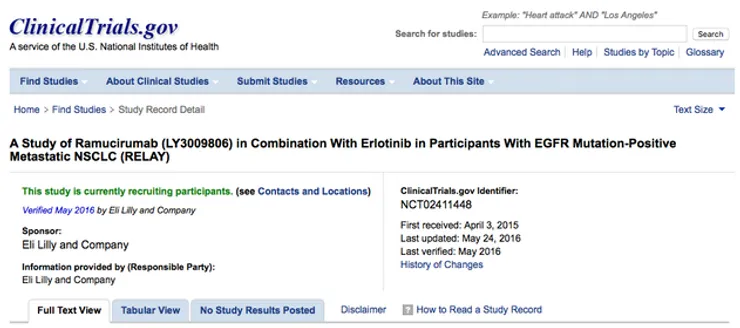 Figure 1
 Figure 2
 Figure 3
 Figure 4