![[Lung Cancer Precision Medicine] Overcoming KRAS Challenges: Keytruda Demonstrates First-Line Advantage in KRAS-Mutan...](/images/blog/lunghcancerusekeyturda-0.webp)
[Lung Cancer Precision Medicine] Overcoming KRAS Challenges: Keytruda Demonstrates First-Line Advantage in KRAS-Mutant Lung Cancer in the KEYNOTE-042 Trial
Medical Supporter — Information Notice
This article is a summary of international medical information and is not medical advice; it cannot replace the diagnosis or treatment plan of your attending physician. The medical technologies, drug information and clinical data presented here are compiled from public literature and official statements of major Japanese medical institutions; the applicability and outcome of any therapy vary with each patient and must be assessed individually by a qualified physician.
In the genomic landscape of lung cancer, KRAS mutations have long been considered an "undruggable" target. However, with the rise of immunotherapy, this challenge is being overcome. An exploratory analysis of the KEYNOTE-042 trial presented at the European Society for Medical Oncology (ESMO) shows that for PD-L1-positive patients, Keytruda (pembrolizumab) monotherapy demonstrates excellent clinical benefit regardless of KRAS mutation status.
I. KEYNOTE-042 Exploratory Analysis: Focusing on the KRAS Population
This analysis performed deep-dive follow-up of the KRAS mutation subgroup among 1,274 PD-L1-positive patients.
Key Clinical Data:
- KRAS mutation-positive patients: Keytruda arm median OS reached 28 months — far superior to the chemotherapy arm's 11 months, with a 39% reduction in mortality risk.
- KRAS G12C specific subgroup: The most remarkable efficacy was seen here — median OS in the Keytruda arm had not yet been reached compared to 8 months in the chemotherapy arm, with a striking 72% reduction in mortality risk.
- Objective Response Rate (ORR): In KRAS G12C patients, the ORR in the immunotherapy arm reached 66.7%, demonstrating powerful tumor suppression.
II. Clinical Implications: Synergy Between Immunotherapy and KRAS
Research has found that KRAS-mutant patients generally have higher PD-L1 expression rates and tumor mutational burden (TMB), making them a "preferred population" for immunotherapy. KEYNOTE-042 data supports Keytruda as the first-line standard regimen for PD-L1-positive patients with KRAS mutations.
III. Why Do Japanese Hospitals Emphasize Comprehensive Genomic Testing?
To avoid missing any opportunity for benefit, authoritative Japanese hospitals currently emphasize NGS (next-generation sequencing) testing at initial diagnosis, comprehensively covering KRAS, EGFR, ALK, and other targets. Japanese physicians have high expertise in interpreting the relationship between KRAS subtypes and PD-L1 expression levels, enabling the most precise first-line immune strategies for patients.
Medical Supporter — Your Guide to Lung Cancer Precision Medicine Facing a KRAS mutation, you need more forward-looking treatment planning. Medical Supporter's team can connect you with Japan's top genomic diagnostic and lung cancer specialists to analyze the potential benefit of the KEYNOTE-042 regimen in your individual treatment and provide professional support for seeking medical care in Japan.
Medical Supporter was formerly certified as an international medical visa guarantor by Japan's Ministry of Foreign Affairs and the Ministry of Economy, Trade and Industry (B-066).
Considering medical care in Japan? Need information and support?
We help you organize the information needed for medical travel to Japan, liaise with Japanese medical institutions, and arrange a second-opinion consultation.The first consultation is free; an advisor will help you clarify the next steps.
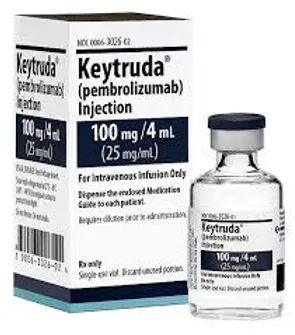 Figure 1
 Figure 2
 Figure 3
 Figure 4