![[Lung Cancer Precision Medicine] Crizotinib (Xalkori) Approved for ROS1-Positive Lung Cancer: A New Chapter in Target...](/images/blog/fdacrizotinibros1lung-0.webp)
[Lung Cancer Precision Medicine] Crizotinib (Xalkori) Approved for ROS1-Positive Lung Cancer: A New Chapter in Targeted Therapy
Medical Supporter — Information Notice
This article is a summary of international medical information and is not medical advice; it cannot replace the diagnosis or treatment plan of your attending physician. The medical technologies, drug information and clinical data presented here are compiled from public literature and official statements of major Japanese medical institutions; the applicability and outcome of any therapy vary with each patient and must be assessed individually by a qualified physician.
In the molecular subtyping of lung cancer, ROS1 gene mutations represent a relatively rare but clinically significant target. The successful development of Crizotinib (brand name: Xalkori) provided ROS1-positive patients with the first FDA-approved targeted therapy, significantly changing the treatment prognosis for this patient population.
I. Clinical Breakthrough Targeting ROS1 Mutations
Although ROS1 gene abnormalities account for only approximately 1% of non-small cell lung cancer (NSCLC), the response to targeted therapy is remarkably pronounced.
Key Clinical Data:
- Objective Response Rate (ORR): Clinical trials showed approximately 66% of patients experienced complete or partial tumor shrinkage.
- Duration of Response (DoR): The average duration of effect was 18.3 months, demonstrating the powerful efficacy of targeted drugs in rare mutations.
II. Safety and Common Side Effects
Crizotinib, as a well-established oral targeted therapy, has side effects that are generally predictable and manageable:
- Common reactions: Visual disturbances (such as flashing lights or double vision), nausea, diarrhea, vomiting, and edema.
- Medical note: During treatment, Japan's specialized medical teams closely monitor liver function and pulmonary status to prevent rare but serious interstitial pneumonitis reactions.
III. The Value of Screening for Rare Mutations
"Precise diagnosis" is the prerequisite for successful treatment. For every newly diagnosed lung cancer patient, comprehensive genetic testing (NGS) including ROS1, EGFR, and ALK is critically important. Japan's authoritative hospitals possess extensive clinical data on precision drug therapy for rare mutations and management of drug resistance.
Medical Supporter — Your Dedicated Medical Consultant for Japan Even for a 1% rare mutation, Japan's precision medicine system provides 100% focused attention. The Medical Supporter team can help connect you with Japan's top pathology diagnostics and lung cancer specialists, fighting for the most advanced targeted therapies and clinical treatment opportunities.
Medical Supporter was formerly certified as an international medical visa guarantor by Japan's Ministry of Foreign Affairs and the Ministry of Economy, Trade and Industry (B-066).
Considering medical care in Japan? Need information and support?
We help you organize the information needed for medical travel to Japan, liaise with Japanese medical institutions, and arrange a second-opinion consultation.The first consultation is free; an advisor will help you clarify the next steps.
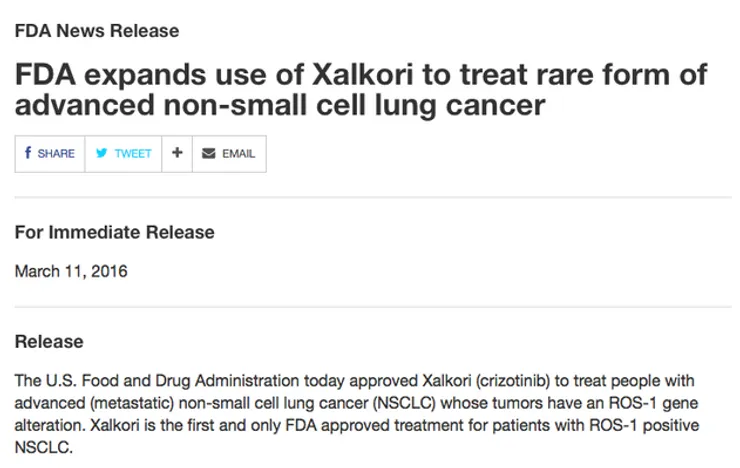 Figure 1
 Figure 2
 Figure 3
 Figure 4