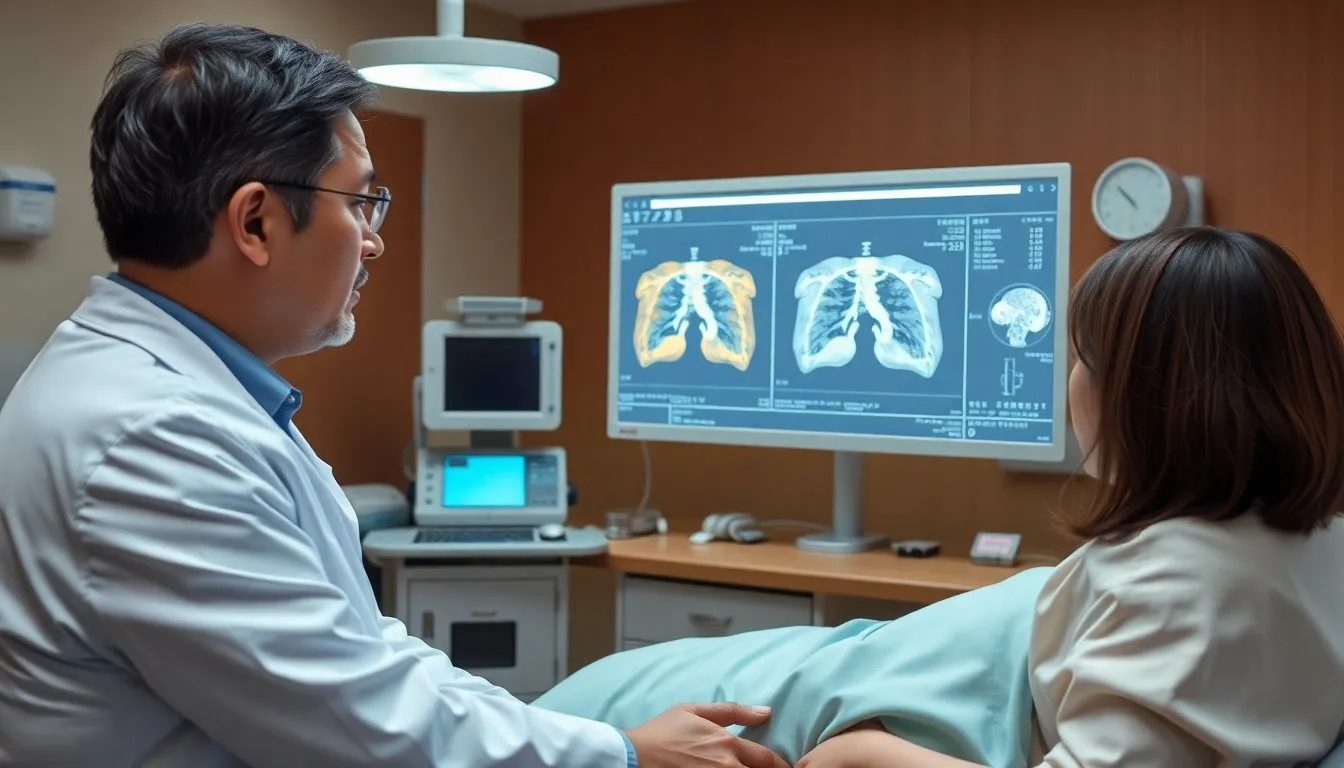
(Lung Cancer) Key Facts About Targeted Therapy Drugs!
Medical Supporter — Information Notice
This article is a summary of international medical information and is not medical advice; it cannot replace the diagnosis or treatment plan of your attending physician. The medical technologies, drug information and clinical data presented here are compiled from public literature and official statements of major Japanese medical institutions; the applicability and outcome of any therapy vary with each patient and must be assessed individually by a qualified physician.
- March 17, 2020
- Reading time: 4 minutes
Lung cancer is one of the malignant tumors with the fastest-growing incidence and mortality rates, posing the greatest threat to human health and life. Over the past 50 years, many countries have reported significant increases in both incidence and mortality. In men, lung cancer ranks first in both incidence and mortality among all malignancies; in women, it ranks second in both.
Multiple Chemotherapy and Targeted Drugs Are Available for Advanced Lung Cancer
Targeted drugs have fewer side effects than chemotherapy. Most targeted drugs take the form of small-molecule compounds or monoclonal antibodies. They specifically target particular genes in cancer cells, selectively disrupting or blocking the signaling pathways related to cancer cell proliferation, differentiation, apoptosis, metastasis, and angiogenesis — thereby inhibiting tumor cell growth. Unlike chemotherapy, targeted drugs do not destroy normal cells indiscriminately, and they largely avoid the nausea, vomiting, hair loss, myelosuppression, and leukopenia associated with chemotherapy, making them more acceptable to most patients.
Three Major Categories of Targeted Drugs for Lung Cancer
EGFR tyrosine kinase inhibitors (EGFR-TKIs): First-generation agents — Iressa (gefitinib) and Tarceva (erlotinib) — are first-line treatments for locally advanced or metastatic NSCLC with EGFR-TK mutations, or second-line options for lung adenocarcinoma patients who have had prior chemotherapy but continue to progress locally or develop metastases. Second-generation Afatinib (Gilotrif) is also a first-line treatment for locally advanced or metastatic NSCLC with EGFR-TK mutations. The latest third-generation Tagrisso (osimertinib) is used in patients who have developed T790M resistance mutations after first- or second-generation targeted therapy.
Anaplastic lymphoma kinase inhibitors (ALK inhibitors): First-generation crizotinib (Xalkori) targets patients with ROS-1-positive advanced NSCLC who have received prior platinum-based chemotherapy. However, as treatment duration increases, the risk of brain metastasis rises — the drug cannot fully cross the blood-brain barrier, potentially limiting intracranial efficacy. Second-generation alectinib (Alecensa) and brigatinib (Alunbrig) address this limitation for ALK-positive advanced NSCLC patients who have progressed on or cannot tolerate crizotinib; they can directly penetrate the brain, eliminating the need for radiation to treat metastatic brain tumors.
Anti-angiogenic targeted drugs: Bevacizumab (Avastin) combined with carboplatin and paclitaxel can be used as first-line treatment for unresectable advanced, metastatic, or recurrent non-squamous NSCLC. The IgG1 monoclonal antibody ramucirumab (Cyramza, a VEGFR-2 antibody) combined with docetaxel (Taxotere) is indicated for locally advanced or metastatic NSCLC that has progressed during or after platinum-containing chemotherapy.
In general, after a lung adenocarcinoma diagnosis, physicians will arrange EGFR gene screening, and ALK gene mutation testing as needed, to develop a personalized treatment plan and select the most appropriate targeted drug — combined with chemotherapy if necessary. Patients should communicate closely with their physician throughout this process.
Precautions for Lung Cancer Targeted Therapy
- Food may affect the absorption and blood concentration of Tarceva, Afatinib, and alectinib. These drugs should be taken on an empty stomach — ideally at least 1 hour before or 2 hours after meals. Iressa and Tagrisso are not affected by food and may be taken before or after meals.
- If you cannot swallow a whole tablet, Iressa or Afatinib tablets (do not crush) may be placed in approximately 100 mL of still water (non-carbonated) and stirred for about 15 minutes until dispersed into fine particles. Drink immediately and rinse the glass with another 100 mL of water and drink that too. This solution can also be administered via nasogastric tube.
- Crizotinib, alectinib, and brigatinib capsules should be swallowed whole with water. Do not crush, dissolve, or open.
- Exercise caution when driving or operating machinery during treatment, as fatigue or blurred vision may occur.
- Patients should avoid grapefruit, grapefruit juice, and St. John's Wort to prevent food-drug interactions.
- When taking other medications (e.g., antifungals, antacids), consult your physician or pharmacist. For example, the solubility of Tarceva decreases as pH rises; co-administration of proton pump inhibitors (e.g., omeprazole) can lower Tarceva blood levels.
- If more severe adverse reactions occur after taking the drug — such as chest pain, difficulty breathing, fever, blurred vision, arrhythmia, or dizziness — inform your physician immediately or adjust the dose.
Self-Care Tips When Side Effects Occur
Common and predictable side effects of lung cancer targeted therapy include rash, acne, diarrhea, and paronychia. How should patients manage self-care?
For Skin Rash or Paronychia:
- Wash with warm water or mild cleansers; avoid irritating chemicals or allergens.
- Apply moisturizing lotion or petroleum jelly frequently to prevent dry, itchy skin. If necessary, ask your physician to prescribe oral antihistamines along with topical creams to relieve discomfort.
- Since sunlight can cause or worsen acneiform rash, wear a hat, face mask, and sun-protective clothing, and use gentle sunscreen.
- For acneiform rash, consult a dermatologist and inform them of the targeted therapy being used. Mild cases typically require topical corticosteroid cream for 1–2 weeks; moderate to severe cases or infections may require antibiotic cream or oral tetracycline antibiotics, and possibly short-term oral steroids.
- Keep nails at an appropriate length, wear well-fitting shoes and socks, and wear plastic gloves when working with water.
- For paronychia, place soft padding around the affected area. Use antibiotic, antifungal, or corticosteroid topical cream as needed. If a pyogenic granuloma develops, cryotherapy or surgical treatment by a physician is usually required for relief.
- Take vitamin B to improve neuropathic pain or sensory abnormalities (e.g., numbness, tingling, burning sensation).
For Gastrointestinal Discomfort or Diarrhea:
- Eat small, frequent meals with a bland, low-fiber diet. Ask your physician for antidiarrheal medication (e.g., loperamide) if necessary.
- Maintain adequate nutrition and hydration; avoid fried, greasy, and spicy foods, which can worsen diarrhea by stimulating intestinal motility.
- Supplement with high-sodium and high-potassium foods such as bananas, carambola, grape juice, and orange juice — but only after physician evaluation or blood tests.
- Take antiemetics (e.g., metoclopramide) only when necessary.
- Supplementing with L-glutamine can help repair mucosa and improve diarrhea and mouth sores.
With advances in medicine, an increasing number of treatment drugs are available for lung cancer. Patients should maintain confidence, cooperate actively with their physicians, and manage drug-related discomfort to achieve the best treatment outcomes.
- Cancer care
Medical Supporter was formerly certified as an international medical visa guarantor by Japan's Ministry of Foreign Affairs and the Ministry of Economy, Trade and Industry (B-066).
Considering medical care in Japan? Need information and support?
We help you organize the information needed for medical travel to Japan, liaise with Japanese medical institutions, and arrange a second-opinion consultation.The first consultation is free; an advisor will help you clarify the next steps.
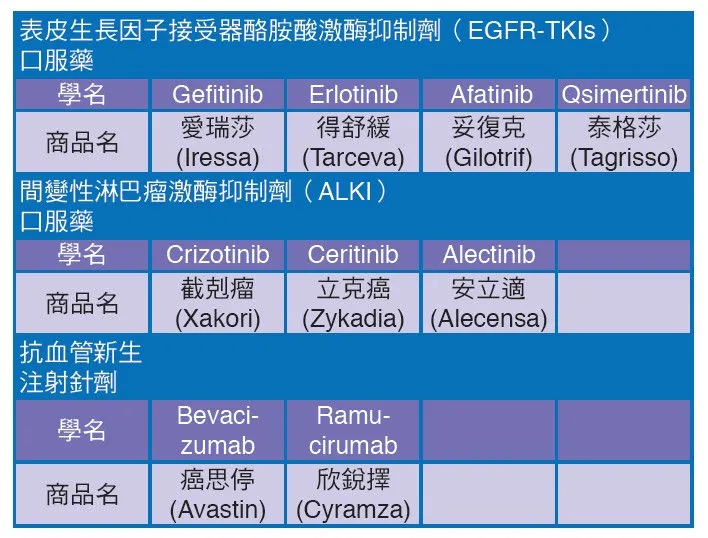 Figure 1
 Figure 2
 Figure 3