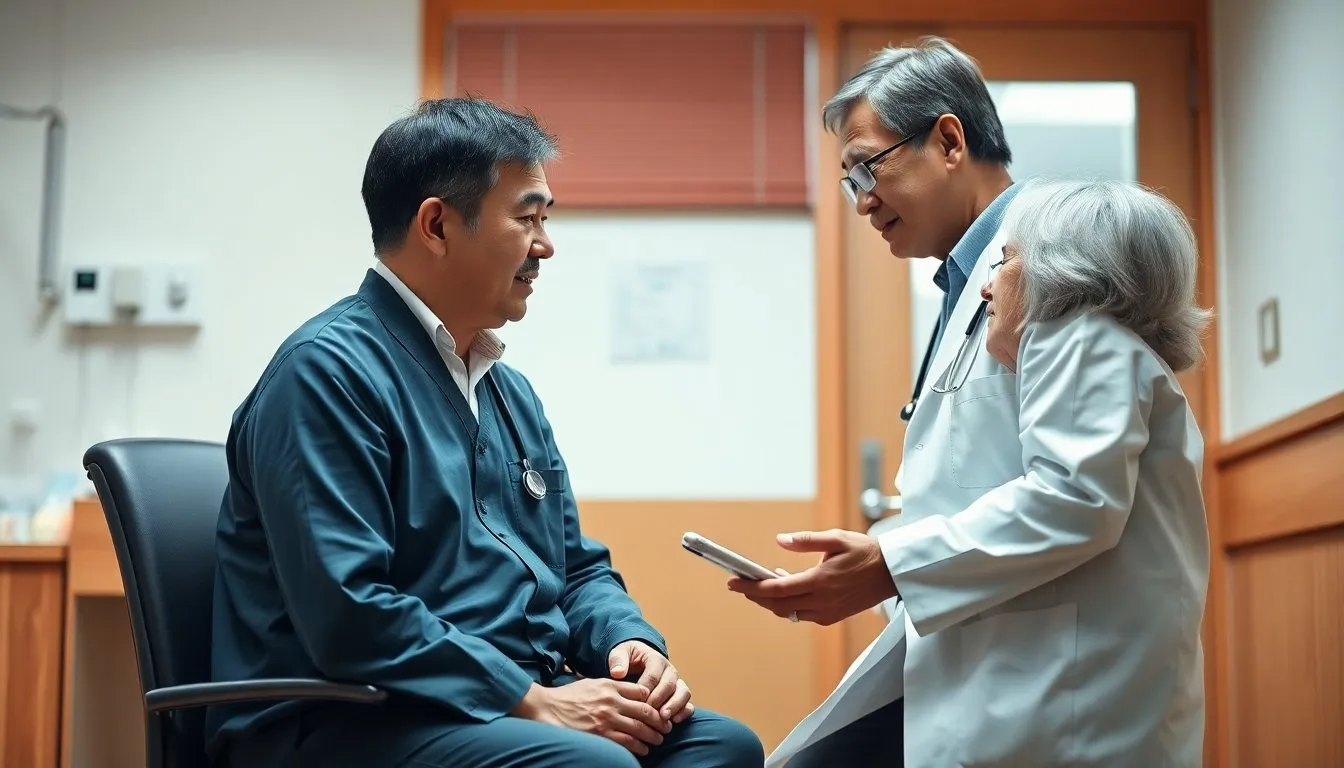
(Immune System) How to Battle Foreign Invaders
Medical Supporter — Information Notice
This article is a summary of international medical information and is not medical advice; it cannot replace the diagnosis or treatment plan of your attending physician. The medical technologies, drug information and clinical data presented here are compiled from public literature and official statements of major Japanese medical institutions; the applicability and outcome of any therapy vary with each patient and must be assessed individually by a qualified physician.
Whether single-celled or multi-celled organisms, countless smaller life forms attempt to invade and exploit them for self-replication. These organisms range from small transposons (parasitic DNA segments), viruses (nucleic acids wrapped in protein), bacteria, to large parasitic worms, collectively called "pathogens." Invaded hosts must actively defend to survive, requiring an immune system.
Animals' first defense line against pathogens includes physical barriers like skin, epithelial tissues, and mucous membranes. Tears cleanse the cornea, removing bacteria. Respiratory ciliated cells continuously move cilia to remove mucus and foreign matter. Beyond physical barriers, these areas have chemical weapons: lysozyme in tears, saliva, and mucous membranes dissolves bacterial cell walls; skin oil glands secrete fatty acids killing bacteria; sweat's salt creates high-salt environments preventing bacterial growth.
The second defense line is "innate immunity." Cell surface receptors recognize enemy surface molecules. When two molecules combine, signals activate many genes, activating defense functions including increased phagocytosis, consuming and digesting bacteria or viruses; secreting small molecules (chemokines, cytokines) recruiting similar phagocytes for assistance, or triggering local inflammation causing blood vessel permeability increase, plasma infiltration into tissues, creating redness, swelling, heat and pain, attracting various immune cells to collectively eliminate pathogens.
Friend or Foe?
Recognizing and treating self molecules versus enemy molecules is critical for innate immunity and the entire immune system. Understanding complex immunology requires mastering this, but immune cells circulate throughout the body encountering millions of molecules. How can they distinguish friend from foe?
For innate immunity cells, genes encoding receptor molecules already exist, evolved over billions of years from organisms' repeated pathogen attacks—anti-enemy strategies. Once expressed on cell surfaces, they recognize foreign invaders and activate functions like phagocytosis.
Can pathogens counterattack? Why not change surface molecule shapes to avoid detection? Pattern-recognition molecules specifically recognize pathogen structures difficult to discard. For example, Toll-like receptors (TLRs) originally discovered on fruit fly cells, now widespread on certain immune cells—TLR-4 indirectly recognizes gram-negative bacteria's important surface lipopolysaccharides. Bacteria cannot survive without this, so through long evolutionary struggles, if favoring animals, "the higher the magic, the higher the counter-magic."
So Many Enemy Types, How Distinguish?
Innate immunity acts quickly—within four hours of invasion, defense activates. If overwhelmed, chemical signals trigger the next defense system: "adaptive immunity."
This more precise system recognizes specific invader surface molecules requiring millions of receptor variations to identify countless different molecules—an impossible task for even highly intelligent humans. How do animal systems of dozens of blood and lymphoid cells accomplish recognition, memory, and attack?
This major achievement since 1960 solved this mystery: evolution invented combinatorial arrangements. Receptor molecules broken into parts—variable region (V), joining region (J), constant region (C)—each with variations. During immune cell division and differentiation, hundreds of genes randomly combine, producing millions of different receptor molecules.
These new molecules display on cell surfaces contacting possible enemy molecules. The chemical surfaces receptors bind called "antigens" (antigen-producing source molecules). When receptor molecules detach, freely dissolving in blood, lymph, or mucus, acting like guided missiles against pathogens' antigen molecules, this large protein is called "antibodies."
Antibodies bind antigens with high affinity, neutralizing toxins, helping macrophages consume bacteria (opsonization), or recruiting complement systems (nine blood proteins) creating bacterial, bad cell, or parasite cell membrane holes, causing death.
Two Trained Military Branches: T and B Cells
Adaptive immunity has two major branches: B cell system. B originally meant chicken bursa of Fabricius; removing this organ prevented antibody production. Mammals lack this structure but call them B (bone marrow) cells, as bone marrow creates blood cells and lymphocytes while performing negative selection on immature B cells.
Previously mentioned immune system's crucial issue: distinguishing self from enemies. We know natural selection chooses individuals within populations adapted to environments; immune system evolution similarly invented positive/negative selection for millions of differently-receptored cell lineages.
Immature B cells in bone marrow encounter various body molecules, triggering suicide or modification instructions, eliminating self-molecule-attacking cells or removing work capacity, leaving only foreign antigen-recognizing cells.
Adaptive immunity's other branch: T cells, requiring positive/negative selection in the thymus. These cells have surface receptor molecules but don't secrete soluble antibodies. How do T cells defend? Once activated by foreign antigens, T cells directly participate, called "cellular immunity."
T cells secrete signal molecules (lymphokines, chemokines) stimulating antigen-recognizing B cells for division, proliferation, and antibody production—"helper T cells." T cells directly secreting enzymes attacking cancer cells or virus-infected body cells are "killer T cells."
After negative selection, T and B cells enter lymph system lymph nodes where pathogens commonly appear. Meeting antigen-presenting cells (dendritic cells, macrophages), if presented enemy antigens match T or B cell surface receptors, this perfect pairing strongly stimulates T or B cell division and proliferation into armies and work activation—antibody secretion or cancer cell attacks—called positive selection, expanding selected T or B cell teams from individual soldiers to military legions.
Antigen-presenting cells activating T cells need two lock-and-key pairs: T cell antigen receptors and opposing cell surface antigen complexes (antigen and MHC class II molecules); another pair: T cell surface CD28 molecules and opposing B7 molecules. Both lock-and-key pairs matching transmits signals activating T cells.
If activation signals intensify excessively, creating oversized armies, disease results, requiring negative feedback reducing activation. How? The "immune checkpoint" hypothesis: T cells post-activation express another surface molecule (4-killer T cell surface antigen, CTLA-4), binding B7 molecules with affinity far exceeding CD28, replacing it, extinguishing original activation.
Six Complex Immunotherapy Combinations
https://www.medicalsupporter.org/6immuncell
This technology simultaneously activates six cells: γδT cells, NK cells, NKT cells, killer T cells (CTL), dendritic cells, helper T cells. Dendritic cells receiving WT1 antigen improve cancer cell recognition ability. Overall increasing six cell types from 10-20 million to 2-5 billion, then injecting into patients, reconstructing immune function, enhancing immunity, achieving higher therapeutic effects.
-
Immunotherapy
(Solid Tumors) Keytruda Effective? (Solid Tumors) Rakuten Pharma RM-1995 Photoimmunotherapy Phase 1 Trial Launch (Lung Cancer) Keytruda Effective?
Medical Supporter was formerly certified as an international medical visa guarantor by Japan's Ministry of Foreign Affairs and the Ministry of Economy, Trade and Industry (B-066).
Considering medical care in Japan? Need information and support?
We help you organize the information needed for medical travel to Japan, liaise with Japanese medical institutions, and arrange a second-opinion consultation.The first consultation is free; an advisor will help you clarify the next steps.
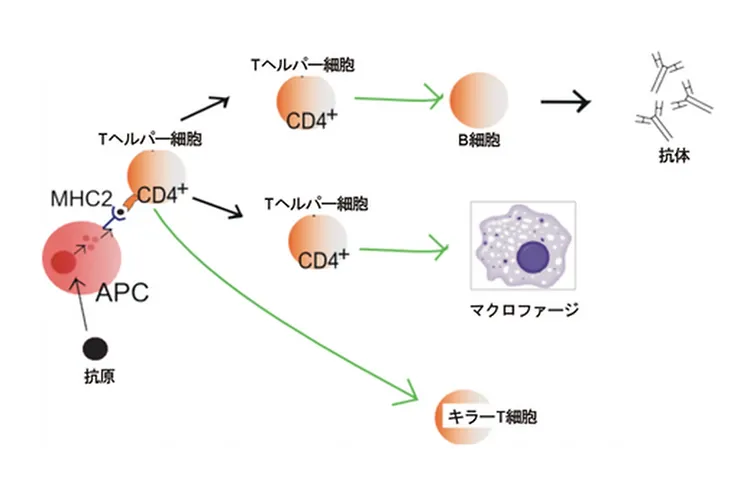 Figure 1
 Figure 2
 Figure 3
 Figure 4