
(Breast Cancer) Xeloda Plus Standard Chemotherapy: Is It Effective?
Medical Supporter — Information Notice
This article is a summary of international medical information and is not medical advice; it cannot replace the diagnosis or treatment plan of your attending physician. The medical technologies, drug information and clinical data presented here are compiled from public literature and official statements of major Japanese medical institutions; the applicability and outcome of any therapy vary with each patient and must be assessed individually by a qualified physician.
- May 15, 2020
- 2 min read
On April 10, 2020, Junjie Li published results in the Journal of Clinical Oncology from the CBCSG010 Phase 3 clinical trial evaluating the efficacy and safety of adjuvant capecitabine (Xeloda) plus docetaxel (Taxotere) as post-operative chemotherapy in early triple-negative breast cancer patients.
This Phase 3 trial was a multi-center, open-label, prospective study randomizing early TNBC patients (N=585) into two groups, with disease-free survival (DFS) as the primary endpoint:
-
Capecitabine group (N=297): Capecitabine 1000 mg/m² + docetaxel 75 mg/m² (21-day cycle × 3), followed by capecitabine 1000 mg/m² + epirubicin 75 mg/m² + cyclophosphamide 500 mg/m² (21-day cycle × 3).
-
Control group (N=288): Docetaxel 75 mg/m² (21-day cycle × 3), followed by 5-FU 500 mg/m² + epirubicin 75 mg/m² + cyclophosphamide 500 mg/m² (21-day cycle × 3).
The trial was initiated because capecitabine plus chemotherapy had shown utility as post-operative chemotherapy in HER2-negative breast cancer in other clinical trials, but data supporting its use specifically in TNBC as adjuvant therapy were limited.
Results at median follow-up of 67 months:
Primary endpoint 5-year DFS: Capecitabine group 86.3% vs. control group 80.4% — a statistically significant improvement in the capecitabine group.
Secondary endpoint 5-year overall survival (OS): Capecitabine group 93.3% vs. control group 90.7% — numerically higher in the capecitabine group, but not statistically significant.
Safety:
Most common Grade 3 or higher adverse events: neutropenia (capecitabine 45.8% vs. control 41.0%), febrile neutropenia (capecitabine 16.8% vs. control 16.0%). Capecitabine safety profile was consistent with previously known clinical trial data; no new adverse events were identified.
Conclusion: Based on the CBCSG010 trial results, Junjie Li concluded that capecitabine plus standard chemotherapy significantly improved the primary endpoint of DFS in early TNBC patients.
Disclaimer: Medical Supporter translates overseas clinical trial data and pharmaceutical information for informational purposes only. Translation materials are for reference only. Please consult your healthcare provider for medical decisions.
Source: Adjuvant Capecitabine With Docetaxel and Cyclophosphamide Plus Epirubicin for Triple-Negative Breast Cancer (CBCSG010). J Clin Oncol. 2020 Apr 10: JCO1902474. doi: 10.1200/JCO.19.02474.
Breast Cancer | Capecitabine
-
Clinical Trial Medications
- (Lung Cancer) Phase II results for Topotecan and Topotecan + Berzosertib combination.
- (Lung Cancer) Efficacy of Enhertu in HER2-mutant non-small cell lung cancer (NSCLC).
- (Lung Cancer) Clinical outcomes of anti-B7-H3 antibody-drug conjugate DS-7300.
Medical Supporter was formerly certified as an international medical visa guarantor by Japan's Ministry of Foreign Affairs and the Ministry of Economy, Trade and Industry (B-066).
Considering medical care in Japan? Need information and support?
We help you organize the information needed for medical travel to Japan, liaise with Japanese medical institutions, and arrange a second-opinion consultation.The first consultation is free; an advisor will help you clarify the next steps.
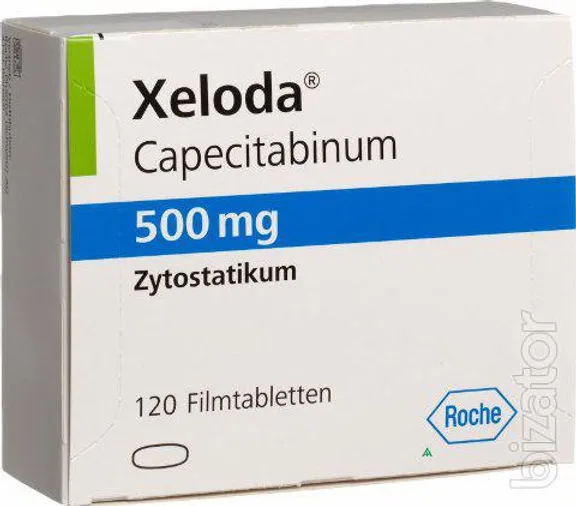 Figure 1
 Figure 2
 Figure 3
 Figure 4