Difference Between '癌' and 'がん' in Japanese
Medical Supporter — Information Notice
This article is a summary of international medical information and is not medical advice; it cannot replace the diagnosis or treatment plan of your attending physician. The medical technologies, drug information and clinical data presented here are compiled from public literature and official statements of major Japanese medical institutions; the applicability and outcome of any therapy vary with each patient and must be assessed individually by a qualified physician.
While assisting individuals, I often encounter terms in brochures or online that spark my curiosity. In Chinese, terms like 'cancer' and 'tumor' are generally used broadly. Japanese also has similar general terms, but it's notable that both the kanji character '癌' and the hiragana 'がん' are frequently used. What exactly is the distinction between them?
Upon investigation, one perspective suggests that '癌' (kanji) specifically refers to malignant tumors originating in the respiratory or digestive tracts, such as lung cancer, stomach cancer, or breast cancer, which typically arise from epithelial cells. In contrast, 'がん' (hiragana) is a broader term encompassing all malignant tumors, including those of non-epithelial origin like sarcomas and leukemias. This information is provided for your reference to better understand Japanese medical terminology.
Medical Supporter was formerly certified as an international medical visa guarantor by Japan's Ministry of Foreign Affairs and the Ministry of Economy, Trade and Industry (B-066).
Considering medical care in Japan? Need information and support?
We help you organize the information needed for medical travel to Japan, liaise with Japanese medical institutions, and arrange a second-opinion consultation.The first consultation is free; an advisor will help you clarify the next steps.
 Figure 1
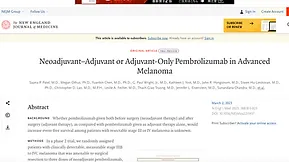 Figure 2
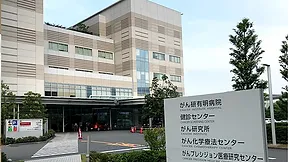 Figure 3
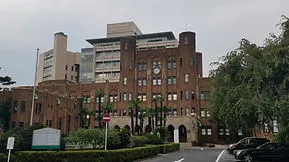 Figure 4