
Effectiveness of Adjuvant Kadcyla (T-DM1) in HER2-Positive Breast Cancer
Medical Supporter — Information Notice
This article is a summary of international medical information and is not medical advice; it cannot replace the diagnosis or treatment plan of your attending physician. The medical technologies, drug information and clinical data presented here are compiled from public literature and official statements of major Japanese medical institutions; the applicability and outcome of any therapy vary with each patient and must be assessed individually by a qualified physician.
Medical Supporter — Information Notice
This article is a summary of international medical information and is not medical advice; it cannot replace the diagnosis or treatment plan of your attending physician. The medical technologies, drug information and clinical data presented here are compiled from public literature and official statements of major Japanese medical institutions; the applicability and outcome of any therapy vary with each patient and must be assessed individually by a qualified physician.
On February 14, 2019, The New England Journal of Medicine published the results of the KATHERINE Phase 3 clinical trial, evaluating the efficacy and safety of Kadcyla (Trastuzumab emtansine, T-DM1) as an adjuvant therapy for patients with HER2-positive early breast cancer.
Study Design: KATHERINE Trial
This trial focused on patients with HER2-positive invasive breast cancer who had residual invasive disease in the breast or axillary lymph nodes after receiving neoadjuvant (pre-operative) therapy containing Trastuzumab (Herceptin) with or without a taxane.
Participants were randomized to receive either:
- Kadcyla (T-DM1)
- Trastuzumab (Herceptin)
The primary endpoint was invasive disease-free survival (iDFS), which includes recurrence of invasive breast cancer (ipsilateral or contralateral), distant recurrence, or death from any cause.
Key Results
The statistical results showed a significant breakthrough for patients receiving Kadcyla:
- Risk Reduction: Patients treated with adjuvant Kadcyla had a 50% lower risk of recurrence of invasive disease or death compared to those who received Trastuzumab (Hazard Ratio = 0.50).
- iDFS Rate: At 3 years, the percentage of patients who were free of invasive disease was 88.3% in the Kadcyla group vs. 77.0% in the Trastuzumab group.
Safety Profile
The most common adverse events associated with Kadcyla in this setting included thrombocytopenia (low platelet count), increased liver enzyme levels, and hypertension. Most side effects were manageable through dose adjustments or standard medical care.
Conclusion
The KATHERINE trial established Kadcyla as the new standard of care for adjuvant treatment in HER2-positive early breast cancer patients who do not achieve a pathological complete response (pCR) after neoadjuvant therapy.
Source: The New England Journal of Medicine - KATHERINE Trial Results
#BreastCancer #HER2Positive #Kadcyla #TDM1 #CancerResearch #AdjuvantTherapy
Considering medical care in Japan? Need information and support?
We help you organize the information needed for medical travel to Japan, liaise with Japanese medical institutions, and arrange a second-opinion consultation.The first consultation is free; an advisor will help you clarify the next steps.
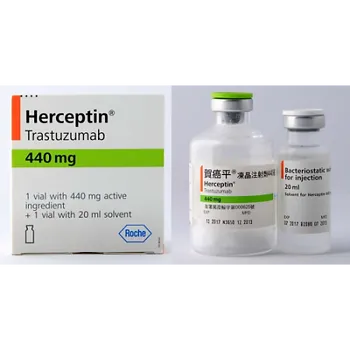 Figure 1
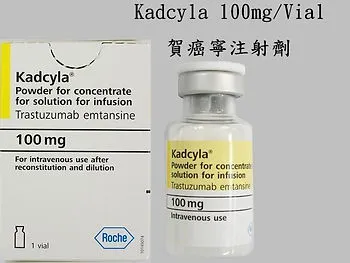 Figure 2
 Figure 3
 Figure 4
 Figure 5