
(Colorectal Cancer) Zaltrap Drug Information
Medical Supporter — Information Notice
This article is a summary of international medical information and is not medical advice; it cannot replace the diagnosis or treatment plan of your attending physician. The medical technologies, drug information and clinical data presented here are compiled from public literature and official statements of major Japanese medical institutions; the applicability and outcome of any therapy vary with each patient and must be assessed individually by a qualified physician.
On March 30, 2017, SANOFI received manufacturing and marketing approval for Aflibercept (Zaltrap) intravenous injection 100 mg and 200 mg. It is indicated for patients with unresectable, progressive or recurrent colorectal cancer. It is used in combination with Irinotecan Hydrochloride Hydrate, Levofolinate Calcium, and 5-FU (FOLFIRI), administered every two weeks at 4 mg/kg via 60-minute intravenous infusion (dose adjustments may be made based on patient condition).
Colorectal cancer accounts for a significant proportion of cancer cases in Taiwan and Japan. Current standard treatments typically combine VEGF (Vascular Endothelial Growth Factor) inhibitors such as Aflibercept and Bevacizumab with EGFR (Epidermal Growth Factor Receptor) inhibitors such as cetuximab and panitumumab as targeted molecular therapy.
In the overseas Phase III clinical trial for metastatic colorectal cancer patients (VELOUR), Aflibercept (Zaltrap) was confirmed to be effective. It was the first VEGF inhibitor to show extended OS in the VELOUR study using oxaliplatin (Eloxatin) as first-line treatment combined with FOLFIRI.
Internationally, Zaltrap was approved in the United States in August 2012, in the EU in February 2013, and has since been approved in over 70 countries and regions worldwide as of March 2017. In Japan's domestic clinical trials, major adverse events requiring attention included neutropenia (77.4%), loss of appetite (74.2%), diarrhea (67.7%), fatigue (61.3%), and nausea (58.1%). More serious adverse events included hemorrhage, gastrointestinal perforation, fistula, hypertension, and hypertensive crisis (including hypertensive urgency and hypertensive emergency). Please consult your healthcare provider before using this medication.
*Hypertensive crisis: http://big5.wiki8.com/gaoxueyaweixiang_109003/
Drug information: https://e-mr.sanofi.co.jp/products/zaltrap
Drug precautions: https://goo.gl/3idYhI
Press release source: https://www.goo.gl/A9utl2
Medical Supporter was formerly certified as an international medical visa guarantor by Japan's Ministry of Foreign Affairs and the Ministry of Economy, Trade and Industry (B-066).
Considering medical care in Japan? Need information and support?
We help you organize the information needed for medical travel to Japan, liaise with Japanese medical institutions, and arrange a second-opinion consultation.The first consultation is free; an advisor will help you clarify the next steps.
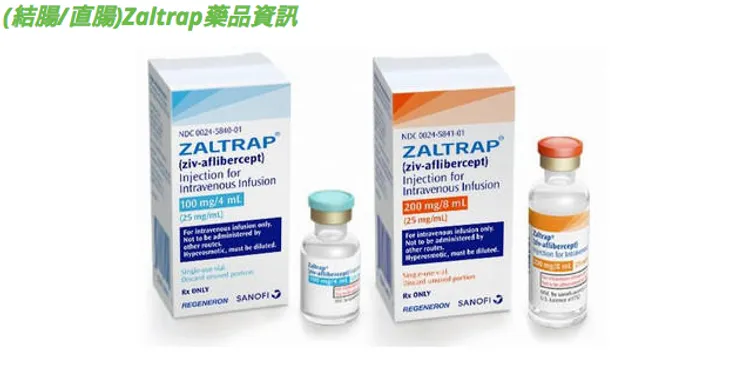 Figure 1
 Figure 2
 Figure 3
 Figure 4