What Is the Best Cell Source for Stem Cell Therapy?
Medical Supporter — Information Notice
This article is a summary of international medical information and is not medical advice; it cannot replace the diagnosis or treatment plan of your attending physician. The medical technologies, drug information and clinical data presented here are compiled from public literature and official statements of major Japanese medical institutions; the applicability and outcome of any therapy vary with each patient and must be assessed individually by a qualified physician.
- May 27, 2019
- Read time: 1 minute
Where is the best tissue source from which to harvest cells needed for stem cell therapy?
Stem cells exist in bone marrow, adipose tissue, synovium, and other tissues. Among these, the synovium — the thin membrane that encases joints — contains stem cells that are most suitable for cartilage regeneration.
The figure below shows trial results from Tokyo Medical and Dental University, demonstrating that stem cells extracted from the synovium yield the best outcomes.
RISO Clinic harvests cells from the infrapatellar fat pad of the knee. Although the name of this tissue includes "fat" and it visually resembles fat tissue, it is actually classified within the adipose synovium. Stem cells extracted from this location are of equivalent quality to those extracted from the synovium proper.
Because this tissue is located deep within the knee, it can be somewhat difficult for surgeons who are unaccustomed to this procedure.
However, Dr. Iwata has performed more than 120 joint surgeries per year to date, using local anesthesia. The extraction process is very safe and takes approximately 10 minutes.
Dr. Iwata's Blog: https://riso-clinic.com/blog/stem-faq.html
Medical Supporter was formerly certified as an international medical visa guarantor by Japan's Ministry of Foreign Affairs and the Ministry of Economy, Trade and Industry (B-066).
Considering medical care in Japan? Need information and support?
We help you organize the information needed for medical travel to Japan, liaise with Japanese medical institutions, and arrange a second-opinion consultation.The first consultation is free; an advisor will help you clarify the next steps.
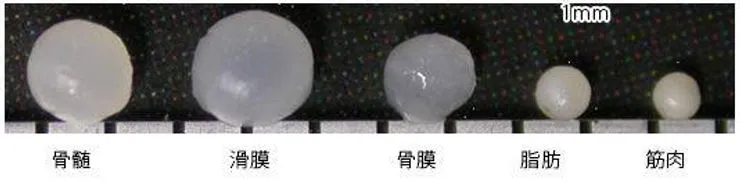 Figure 1
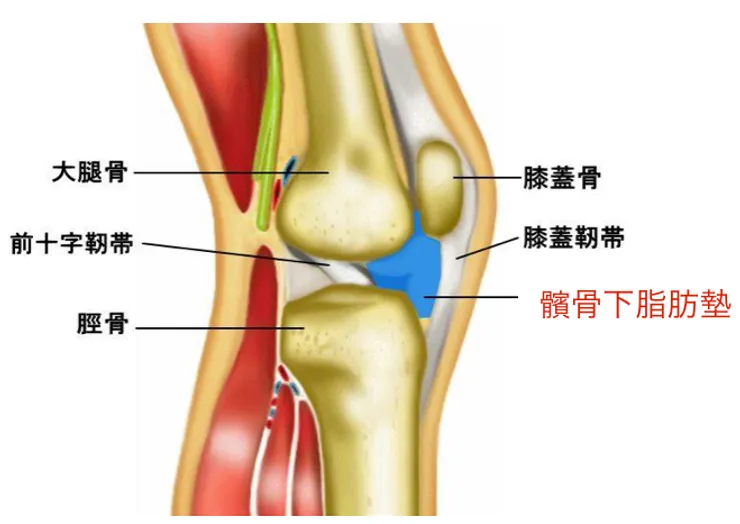 Figure 2
 Figure 3
 Figure 4
 Figure 5