![[Lung Cancer Advanced Treatment] Conquering Leptomeningeal Metastases: Osimertinib Demonstrates Strong Intracranial C...](/images/blog/lunghtagrisso-0.webp)
[Lung Cancer Advanced Treatment] Conquering Leptomeningeal Metastases: Osimertinib Demonstrates Strong Intracranial Control in the BLOOM Trial
[Lung Cancer Advanced Treatment] Osimertinib: Lighting a Path for Leptomeningeal Metastasis Patients
Medical Supporter — Information Notice
This article is a summary of international medical information and is not medical advice; it cannot replace the diagnosis or treatment plan of your attending physician. The medical technologies, drug information and clinical data presented here are compiled from public literature and official statements of major Japanese medical institutions; the applicability and outcome of any therapy vary with each patient and must be assessed individually by a qualified physician.
Content revised 2026-08-19: adjusted safety-related and outreach language to align with medical advertising regulations; the original trial data sources are unchanged.
Among the complications of advanced lung cancer, "leptomeningeal metastases" (LM) is considered one of the most difficult challenges to overcome. Due to the blood-brain barrier, conventional drugs are unable to reach effective concentrations in the cerebrospinal fluid, resulting in extremely poor patient prognosis. However, BLOOM trial results published in the Journal of Clinical Oncology (JCO) show that the third-generation targeted agent Osimertinib (Tagrisso) is breaking through this barrier.
I. BLOOM Trial: Findings on the High-Dose Strategy
This trial investigated the efficacy of high-dose (160mg) Osimertinib administered once daily in patients with EGFR-positive leptomeningeal metastases.
Core Clinical Data:
- Objective Response Rate (ORR): Achieved 62% among 41 trial participants, with investigators observing shrinkage of meningeal lesions in this single-arm trial.
- Duration of Response (DoR): Median reached 15.2 months, gaining patients valuable stable control time.
- Survival Improvement: Although LM patients previously had a survival of only approximately 3-10 months, the BLOOM trial reported a median overall survival (OS) of 11.0 months; the investigators considered this clinically meaningful, though as a single-arm trial the data should be interpreted with caution.
II. Safety and Tolerability Analysis
Although the dose was doubled to 160mg, here is a summary of the safety data:
- Common adverse events were similar to standard dose, such as rash and diarrhea.
- The trial was small in scale (n=41), and the observed adverse-event pattern was similar to that of the standard dose; this finding does not constitute a guarantee of safety, and long-term safety still requires confirmation in larger studies.
III. Why Does This Research Have Strategic Value?
The incidence of leptomeningeal metastases in EGFR-positive patients is approximately 9%. The BLOOM trial showed that Osimertinib has blood-brain barrier penetration and intracranial activity. Note that the 160 mg high-dose regimen remains investigational and is not part of the currently approved standard labeling in Japan; whether any treatment approach is appropriate must be assessed by the treating physician on a case-by-case basis.
This article is a summary of publicly published clinical trial literature. It is not treatment advice and does not recommend any specific medication. The dosage described reflects the trial's protocol and may not match the dosage approved in your country. Whether this approach applies to you, and how any medication should be used, must be evaluated by your treating physician on a case-by-case basis. Medical Supporter helps with organizing medical records, translation, and connecting with Japanese medical institutions; we do not participate in diagnosis or prescribing decisions.
Medical Supporter was formerly certified as an international medical visa guarantor by Japan's Ministry of Foreign Affairs and the Ministry of Economy, Trade and Industry (B-066).
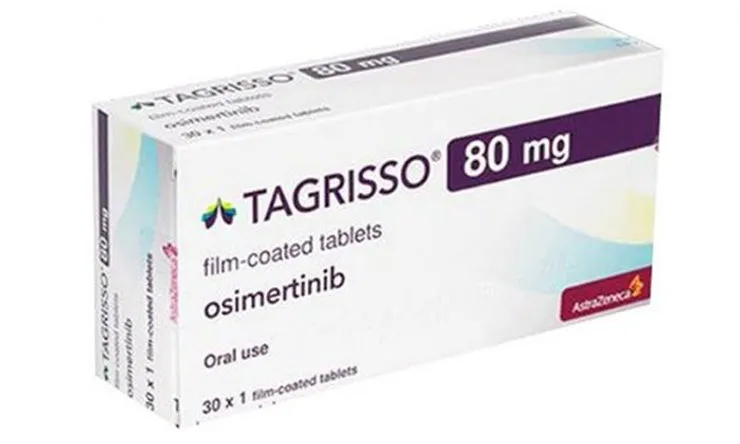 Figure 1
 Figure 2
 Figure 3
 Figure 4