![[Lung Cancer Advanced Treatment] Consolidating First-Line Efficacy: The COMPASS Trial Analyzing Alimta Plus Avastin M...](/images/blog/lunghcancerusealimta-0.webp)
[Lung Cancer Advanced Treatment] Consolidating First-Line Efficacy: The COMPASS Trial Analyzing Alimta Plus Avastin Maintenance Therapy in Non-Squamous NSCLC
Medical Supporter — Information Notice
This article is a summary of international medical information and is not medical advice; it cannot replace the diagnosis or treatment plan of your attending physician. The medical technologies, drug information and clinical data presented here are compiled from public literature and official statements of major Japanese medical institutions; the applicability and outcome of any therapy vary with each patient and must be assessed individually by a qualified physician.
COMPASS Trial: Dual-Drug Maintenance Therapy for Long-Term Disease Control in Lung Cancer
For patients with non-squamous non-small cell lung cancer (NSCLC), "maintenance therapy" following first-line chemotherapy is a critical determinant of long-term survival quality. The COMPASS Phase 3 trial, published in the Journal of Clinical Oncology (JCO), studied bevacizumab (Avastin) combined with pemetrexed (Alimta) as a maintenance strategy.
1. COMPASS Trial: Single-Agent vs. Dual-Agent Maintenance
This trial enrolled EGFR-negative advanced patients and compared "Alimta + Avastin" combination maintenance versus "Avastin alone" maintenance following initial induction chemotherapy.
Key Clinical Data:
- Overall Survival (OS): The combination group achieved a median of 23.3 months, compared to 19.6 months in the single-agent group. Notably, in EGFR wild-type patients, the risk of death was reduced by 18%.
- Progression-Free Survival (PFS): The combination group showed stronger disease control (median 5.7 months), significantly outperforming the single-agent group (4.0 months), with a 33% reduction in progression risk.
- Clinical significance: Although the OS difference did not reach strong statistical significance in the overall population, the data trend clearly supports that dual-drug maintenance has substantial clinical value.
2. Balancing Safety and Quality of Life
While combination maintenance increases the frequency of administration, the overall side effect profile is manageable:
- Common reactions: Neutropenia, hypertension, and proteinuria
- Management strategy: Japanese medical teams have extensive experience managing long-term side effects from maintenance therapy, maintaining stable disease while preserving patients' normal social life through precise dose monitoring
3. Why Does Maintenance Therapy Need to Be Individualized?
COMPASS data show that the benefits of dual-drug maintenance are more pronounced in EGFR wild-type (unmutated) patients. Japanese physicians evaluate whether to adopt a more aggressive combination maintenance strategy based on a patient's response during first-line induction therapy.
Medical Supporter Connects You to Japan's Leading Lung Cancer Specialists
The stability plan after first-line treatment determines the depth of cancer control. If you wish to consult Japanese experts about applying the COMPASS regimen, the Medical Supporter team can assist with medical record translation and connect you with cancer centers in Japan with extensive experience in long-term maintenance therapy, to design the most robust treatment plan for you.
Medical Supporter was formerly certified as an international medical visa guarantor by Japan's Ministry of Foreign Affairs and the Ministry of Economy, Trade and Industry (B-066).
Considering medical care in Japan? Need information and support?
We help you organize the information needed for medical travel to Japan, liaise with Japanese medical institutions, and arrange a second-opinion consultation.The first consultation is free; an advisor will help you clarify the next steps.
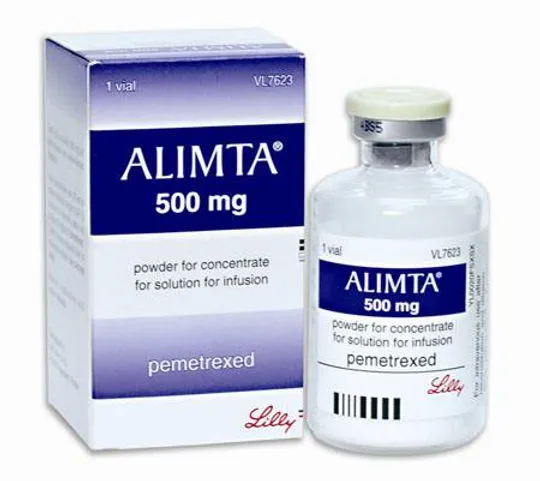 Figure 1
 Figure 2
 Figure 3
 Figure 4