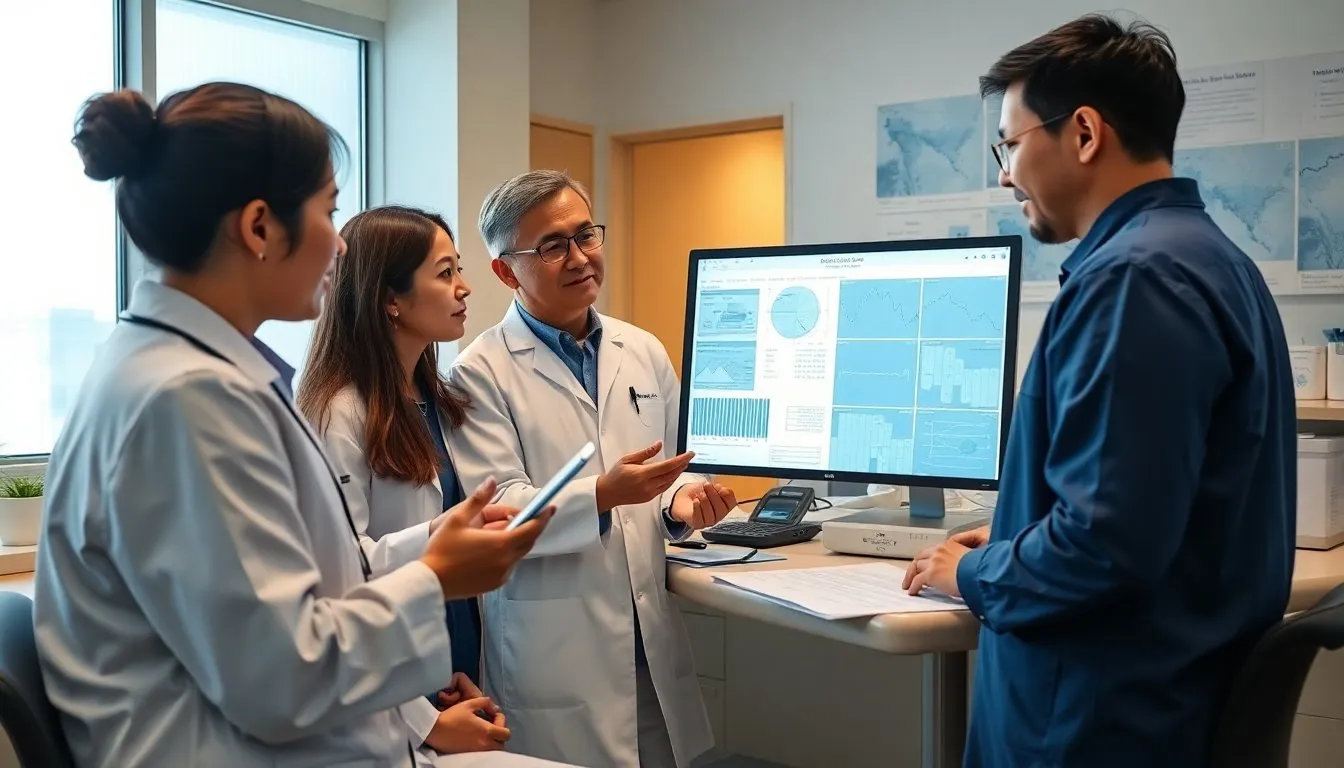
Japanese Clinics Conduct Clinical Trials Too!?
Medical Supporter — Information Notice
This article is a summary of international medical information and is not medical advice; it cannot replace the diagnosis or treatment plan of your attending physician. The medical technologies, drug information and clinical data presented here are compiled from public literature and official statements of major Japanese medical institutions; the applicability and outcome of any therapy vary with each patient and must be assessed individually by a qualified physician.
- September 16, 2016
- Read time: 2 minutes
Generally, Taiwanese patients directly visit major teaching hospitals for medical care. Upon arrival, they notice the overwhelming crowds. Japan is no exception — some teaching hospitals are similarly overcrowded, though not to the degree seen in Taiwan. Medical Supporter previously discussed why direct visits to teaching hospitals incur higher fees. The main reason is that without proper referral systems, teaching hospitals become overcrowded and cannot provide adequate quality care.
This article discusses clinics. Regardless of whether it's Taiwan or Japan, any medical institution — including private clinics — can establish clinical trials if they have sufficient funding and adequate human resources. Details about clinical trial establishment, government application procedures, review processes, and costs are beyond the scope of this article.
In Japan, for example, ICVS Clinic, famous for dendritic cell vaccine therapy, has representatives handling their business in Taiwan as well. Beyond Asia, they've established a U.S. corporation, the Renmi International Research Foundation, and actively collaborate with medical institutions worldwide. According to data from UMIN, they applied for an immunotherapy clinical trial in November 2012, with experimental ID UMIN000009375. The study involved mixed treatment comparing dendritic cell immunotherapy with conventional therapy in patients with recurrent cancer and Stage IV disease based on RECIST criteria. Volunteer recruitment wasn't limited to specific cancer types — all cancers were included, from head to foot. Their clinical trial assessment method uses RECIST standards, with follow-ups every three months in the first year, every six months in the second year, and annually in the third year. Age range is 20–80 years, both genders. Any Stage IV or recurrent patient is eligible — the scope is quite broad.
Applicable surgical specialties include: General Surgery, Gastrointestinal Surgery, Hepato-biliary-pancreatic Surgery, Vascular Surgery, Chest Surgery, Endocrine Surgery, Breast Surgery, Dermatology, Otorhinolaryngology, Urology, and Oral Surgery.
Interested parties can refer to: https://upload.umin.ac.jp/cgi-open-bin/ctr/ctr.cgi?function=brows&action=brows&type=summary&recptno=R000011021&language=J
Therefore, clinics do conduct clinical trials. With sufficient funding and human resources, ICVS applied to the appropriate Japanese government agency to test the efficacy of dendritic cell therapy versus conventional therapy. Other examples include clinics like Seta Clinic, which operates as a nationwide chain of specialty clinics. So never underestimate Japanese specialty clinics as simple neighborhood practices — some have resources and capabilities exceeding many teaching hospitals!
#Immunotherapy #BladderCancer #RenalCellCarcinoma #CervicalCancer #GastricCancer #HeadAndNeckCancer #OvarianCancer #BreastCancer #BileDuctCancer #PancreaticCancer
- Clinical trial drugs
Medical Supporter was formerly certified as an international medical visa guarantor by Japan's Ministry of Foreign Affairs and the Ministry of Economy, Trade and Industry (B-066).
Considering medical care in Japan? Need information and support?
We help you organize the information needed for medical travel to Japan, liaise with Japanese medical institutions, and arrange a second-opinion consultation.The first consultation is free; an advisor will help you clarify the next steps.
 Figure 1
 Figure 2
 Figure 3
 Figure 4