
(Urothelial Cancer) Phase 1 Trial: Immunotherapy Combined With Cabozantinib — ASCO GU 2017
Medical Supporter — Information Notice
This article is a summary of international medical information and is not medical advice; it cannot replace the diagnosis or treatment plan of your attending physician. The medical technologies, drug information and clinical data presented here are compiled from public literature and official statements of major Japanese medical institutions; the applicability and outcome of any therapy vary with each patient and must be assessed individually by a qualified physician.
- February 28, 2017
- 2 min read
For patients with metastatic urothelial carcinoma or other genitourinary cancers, cabozantinib may be combined with nivolumab or ipilimumab. This was presented at the ASCO Genitourinary Cancers Symposium held in Orlando, USA from February 16–18, by Dr. Andrea B. Apolo of the National Cancer Institute.
Phase 1 Trial Design:
Cohort 1 (cabozantinib daily + nivolumab every 2 weeks): Four dose levels were evaluated:
- Cabozantinib 40 mg + nivolumab 1 mg/kg
- Cabozantinib 40 mg + nivolumab 3 mg/kg
- Cabozantinib 60 mg + nivolumab 1 mg/kg
- Cabozantinib 60 mg + nivolumab 3 mg/kg
Cohort 2 (cabozantinib daily + ipilimumab every 3 weeks × 4 cycles): Three dose levels were evaluated:
- Cabozantinib 40 mg + nivolumab 1 mg/kg + ipilimumab 1 mg/kg
- Cabozantinib 40 mg + nivolumab 3 mg/kg + ipilimumab 1 mg/kg
- Cabozantinib 60 mg + nivolumab 3 mg/kg + ipilimumab 1 mg/kg
Patient Population:
Response assessment was per RECIST v1.1 and safety per NCI-CTCAE v4.0. From July 22, 2015 to December 31, 2016, a total of 48 patients were enrolled: Cohort 1 (n=30), Cohort 2 (n=18). Median age: 58 years (range: 35–77); 41 males. Of the enrolled patients, 19 had metastatic urothelial carcinoma (mUC), 9 had castration-resistant prostate cancer, 4 had urachal adenocarcinoma, and 4 had penile cancer.
Results:
Overall response rate: 30%. Complete response (CR): 7% (2 mUC patients, 1 bladder squamous cell carcinoma). Partial response (PR): 23%. Stable disease (SD): 56%.
Adverse Events:
Cohort 1 (n=30) Grade 3 adverse events: hypophosphatemia (n=5), hypertension (n=4), fatigue (n=3), diarrhea (n=2), dehydration (n=2). Grade 4: lipase elevation (n=2), thrombocytopenia (n=1).
Cohort 2 (n=18) Grade 3 adverse events: hypophosphatemia (n=3), hypertension (n=3), fatigue (n=2), nausea (n=2), hyponatremia (n=2). Grade 4: lipase elevation (n=1).
Recommended Phase 2 Doses:
Based on these Phase 1 results, the recommended Phase 2 doses are:
- Cabozantinib 40 mg + nivolumab 3 mg/kg
- Cabozantinib 40 mg + nivolumab 3 mg/kg + ipilimumab 1 mg/kg
Note: Ipilimumab is a CTLA-4 inhibitor (brand name: Yervoy). Nivolumab is a PD-1 inhibitor (brand name: Opdivo).
Prostate Cancer | Urethral Cancer | Bladder Cancer | Immunotherapy
-
Immunotherapy
- (Solid Tumors) Is Keytruda effective?
- (Solid Tumors) Rakuten Medical RM-1995 photo-immunotherapy Phase 1 trial initiated
- (Lung Cancer) Is Keytruda effective?
Medical Supporter was formerly certified as an international medical visa guarantor by Japan's Ministry of Foreign Affairs and the Ministry of Economy, Trade and Industry (B-066).
Considering medical care in Japan? Need information and support?
We help you organize the information needed for medical travel to Japan, liaise with Japanese medical institutions, and arrange a second-opinion consultation.The first consultation is free; an advisor will help you clarify the next steps.
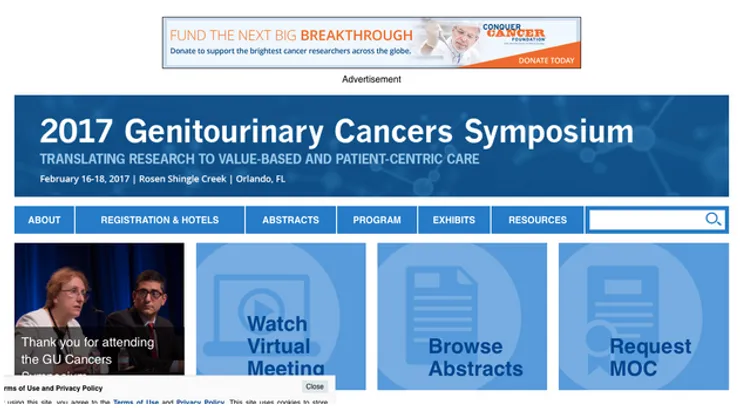 Figure 1
 Figure 2
 Figure 3
 Figure 4