
Bevacizumab Plus Erlotinib in EGFR-Mutant NSCLC: Phase 2 Trial Results
Medical Supporter — Information Notice
This article is a summary of international medical information and is not medical advice; it cannot replace the diagnosis or treatment plan of your attending physician. The medical technologies, drug information and clinical data presented here are compiled from public literature and official statements of major Japanese medical institutions; the applicability and outcome of any therapy vary with each patient and must be assessed individually by a qualified physician.
Medical Supporter — Information Notice
This article is a summary of international medical information and is not medical advice; it cannot replace the diagnosis or treatment plan of your attending physician. The medical technologies, drug information and clinical data presented here are compiled from public literature and official statements of major Japanese medical institutions; the applicability and outcome of any therapy vary with each patient and must be assessed individually by a qualified physician.
On August 8, 2019, Thomas E. Stinchcombe and colleagues published the results of a Phase 2 clinical trial in JAMA Oncology. The study investigated whether adding Bevacizumab (Avastin), an anti-VEGF antibody, to Erlotinib (Tarceva), an EGFR inhibitor, would improve outcomes for patients with advanced EGFR-mutant non-small cell lung cancer (NSCLC).
Study Design
The trial enrolled 88 patients with advanced EGFR-mutant NSCLC. Participants were randomized into two groups:
- Combination Group: Bevacizumab (15 mg/kg every 3 weeks) + Erlotinib (150 mg daily).
- Monotherapy Group: Erlotinib (150 mg daily) alone.
The primary endpoint was progression-free survival (PFS). Secondary endpoints included objective response rate (ORR) and overall survival (OS).
Key Efficacy Results
- Progression-Free Survival (PFS):
- Combination Group: 17.9 months
- Monotherapy Group: 13.5 months
- While there was a 19% reduction in the risk of progression (Hazard Ratio [HR] = 0.81), the difference was not statistically significant.
- Objective Response Rate (ORR): 81% (Combination) vs. 83% (Monotherapy).
- Overall Survival (OS):
- Combination Group: 32.4 months
- Monotherapy Group: 50.6 months
- The combination group showed a higher risk of death (HR = 1.41), though again, this was not statistically significant.
Safety Profile
The combination group experienced more Grade 3 or higher adverse events, primarily skin-related reactions (26%), hypertension (40%), and proteinuria (12%). There were no Grade 5 toxicities reported in the combination arm.
Conclusion
The authors concluded that adding Bevacizumab to Erlotinib did not significantly improve PFS or OS in patients with advanced EGFR-mutant NSCLC compared to Erlotinib alone. These findings suggest that the combination may not provide a substantial benefit over the current standard of care in this setting.
Source: JAMA Oncology - Erlotinib Plus Bevacizumab Trial Results
#LungCancer #NSCLC #EGFRMutation #Bevacizumab #Avastin #Erlotinib #Tarceva #CancerResearch
Considering medical care in Japan? Need information and support?
We help you organize the information needed for medical travel to Japan, liaise with Japanese medical institutions, and arrange a second-opinion consultation.The first consultation is free; an advisor will help you clarify the next steps.
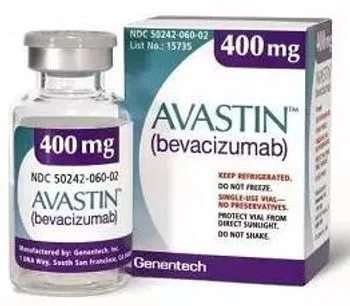 Figure 1
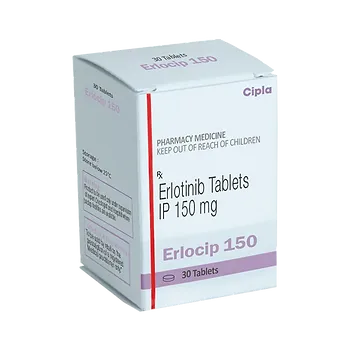 Figure 2
 Figure 3
 Figure 4
 Figure 5