
(Breast Cancer) Is Palbociclib + Hormone Therapy Effective?
Medical Supporter — Information Notice
This article is a summary of international medical information and is not medical advice; it cannot replace the diagnosis or treatment plan of your attending physician. The medical technologies, drug information and clinical data presented here are compiled from public literature and official statements of major Japanese medical institutions; the applicability and outcome of any therapy vary with each patient and must be assessed individually by a qualified physician.
- January 13, 2020
- Read time: 2 minutes
On October 24, 2019, Yeon Hee Park published results in the medical journal The Lancet titled "Efficacy and safety of CDK4/6 inhibitor palbociclib plus hormone therapy in previously treated, premenopausal hormone receptor-positive and HER2-negative metastatic breast cancer patients: Phase 2 clinical trial results."
This Phase 2 clinical trial was a multicenter, open-label, randomized controlled trial that enrolled premenopausal hormone receptor-positive and HER2-negative metastatic breast cancer patients who had previously received tamoxifen therapy (N=184). Patients were divided into the following two groups, with progression-free survival as the primary endpoint.
Palbociclib group (28-day cycle, Days 1–21, once-daily palbociclib 125 mg + once-daily exemestane 25 mg + leuprolide 3.75 mg, N=92).
Capecitabine group (3-week cycle, Days 1–14, twice-daily capecitabine 1250 mg/m², N=92).
The rationale for this trial was that both premenopausal and postmenopausal breast cancer patients are treated with hormone therapy as standard of care per treatment guidelines; however, chemotherapy had been used clinically in premenopausal hormone receptor-positive and HER2-negative metastatic cancer patients. Based on this background, this study was initiated to demonstrate that hormone-based treatment is beneficial compared to chemotherapy.
Results at a median follow-up of 17 months showed that the primary endpoint, median progression-free survival, was: palbociclib group 20.1 months vs. capecitabine group 14.4 months. The palbociclib group showed a 34.1% reduction in progression risk, with a hazard ratio of 0.659, demonstrating significant improvement.
Regarding safety, Grade 3 or higher adverse events of neutropenia were: palbociclib group 75% vs. capecitabine group 16%. The incidence of serious adverse events was: palbociclib group 2% vs. capecitabine group 17%.
Based on the Phase 2 clinical trial results, Yeon Hee Park concluded: In previously treated, premenopausal hormone receptor-positive and HER2-negative metastatic breast cancer patients, the use of CDK4/6 inhibitor palbociclib plus hormone therapy demonstrated significant improvement in progression-free survival.
[Important Note] Medical Supporter's translations of overseas clinical trial data and pharmaceutical information are not intended to encourage participation in clinical trials or use of new drugs. The translated information is for reference only and not intended as medication guidelines. Please discuss with healthcare professionals and refer to the original text below the article for accurate information.
Source: Palbociclib plus exemestane with gonadotropin-releasing hormone agonist versus capecitabine in premenopausal women with hormone receptor-positive, HER2-negative metastatic breast cancer (KCSG-BR15-10): a multicentre, open-label, randomised, phase 2 trial (N Engl J Med. 2019 Oct 31;381(18):1728-1740. doi: 10.1056/NEJMoa1902688.)
Medical Supporter was formerly certified as an international medical visa guarantor by Japan's Ministry of Foreign Affairs and the Ministry of Economy, Trade and Industry (B-066).
Considering medical care in Japan? Need information and support?
We help you organize the information needed for medical travel to Japan, liaise with Japanese medical institutions, and arrange a second-opinion consultation.The first consultation is free; an advisor will help you clarify the next steps.
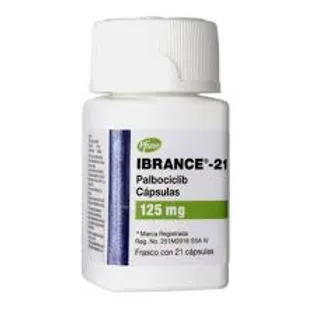 Figure 1
 Figure 2
 Figure 3
 Figure 4