
(Breast Cancer) Is Neratinib + Xeloda Combination Therapy Effective?
Medical Supporter — Information Notice
This article is a summary of international medical information and is not medical advice; it cannot replace the diagnosis or treatment plan of your attending physician. The medical technologies, drug information and clinical data presented here are compiled from public literature and official statements of major Japanese medical institutions; the applicability and outcome of any therapy vary with each patient and must be assessed individually by a qualified physician.
- July 19, 2019
- Read time: 2 minutes
From May 31 to June 4, 2019, at the American Society of Clinical Oncology (ASCO 2019) held in Chicago, USA, results were presented on "Efficacy and safety verification of the HER1, 2, and 4 inhibitor Neratinib + Xeloda (capecitabine) combination therapy in HER2-positive metastatic breast cancer patients with two or more prior treatment regimens in the NALA Phase 3 clinical trial."
The NALA Phase 3 clinical trial was conducted across multiple international sites. HER2-positive metastatic breast cancer patients with two or more prior treatment regimens (N=621) were randomized 1:1. The primary endpoints were progression-free survival and overall survival; secondary endpoints included objective response rate and duration of response:
- Neratinib + Xeloda group (Neratinib 240 mg once daily + Xeloda 750/m² twice daily, N=307)
- Lapatinib + Xeloda group (Lapatinib 1250 mg once daily + Xeloda 1000/m² twice daily, N=314)
For the primary endpoint, compared to the lapatinib group, the neratinib group improved progression-free survival by 24%, with a hazard ratio of 0.69. The 6-month and 12-month progression-free survival rates were: neratinib group 47.2% / lapatinib group 37.8% (6 months), and neratinib group 28.8% / lapatinib group 14.8% (12 months).
For the other primary endpoint, compared to the lapatinib group, the neratinib group improved overall survival by 12%, with a hazard ratio of 0.88. The 6-month and 12-month overall survival rates were: neratinib group 90.2% / lapatinib group 87.5% (6 months), and neratinib group 72.5% / lapatinib group 66.7% (12 months).
For secondary endpoints, the objective response rate was: neratinib group 32.8% / lapatinib group 26.7%; clinical benefit rate was: neratinib group 44.5% / lapatinib group 35.6%. The neratinib group improved duration of response by 50%.
Regarding safety, there was no significant difference in the overall incidence of adverse events between the two groups. The rate of diarrhea was: neratinib group 24.4% / lapatinib group 12.5%, with the neratinib group showing a higher rate. The rate of treatment discontinuation due to adverse events was: neratinib group 10.9% / lapatinib group 14.5%.
Based on the NALA trial results, Cristina Saura stated: In HER2-positive metastatic breast cancer patients with two or more prior treatment regimens, the neratinib + capecitabine combination therapy demonstrated improvement in progression-free survival, with a trend toward improved overall survival.
[Important Note] Medical Supporter's translations of overseas clinical trial data and pharmaceutical information are not intended to encourage participation in clinical trials or use of new drugs. The translated information is for reference only and not intended as medication guidelines. Please discuss with healthcare professionals and refer to the original text below the article for accurate information.
Source: Neratinib + capecitabine versus lapatinib + capecitabine in patients with HER2+ metastatic breast cancer previously treated with ≥ 2 HER2-directed regimens: Findings from the multinational, randomized, phase III NALA trial. (2019 ASCO Annual Meeting, Abstract No: 1002)
Medical Supporter was formerly certified as an international medical visa guarantor by Japan's Ministry of Foreign Affairs and the Ministry of Economy, Trade and Industry (B-066).
Considering medical care in Japan? Need information and support?
We help you organize the information needed for medical travel to Japan, liaise with Japanese medical institutions, and arrange a second-opinion consultation.The first consultation is free; an advisor will help you clarify the next steps.
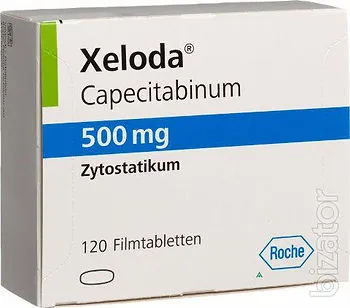 Figure 1
 Figure 2
 Figure 3
 Figure 4