(PD-1 & CTLA-4) Interferon and Interleukin
Medical Supporter — Information Notice
This article is a summary of international medical information and is not medical advice; it cannot replace the diagnosis or treatment plan of your attending physician. The medical technologies, drug information and clinical data presented here are compiled from public literature and official statements of major Japanese medical institutions; the applicability and outcome of any therapy vary with each patient and must be assessed individually by a qualified physician.
We have always paid close attention to information on PD-1 and CTLA-4. Among the patients we assist, some are receiving both PD-1 drugs and cell therapy simultaneously. Others are using PD-1 drugs alone. Through regular follow-up consultations, we found that some patients have developed PD-1 resistance. Even though they are not our direct clients, we couldn't help but wonder: are there research findings that could help improve drug efficacy for them?
We recently came across two studies on interferon and resistance to immune checkpoint drugs.
Article 1 — Tumor Intern Signaling Regulates a Multigenic Resistance Program to Immune Checkpoint Blockade
This is exciting information. The abstract notes that clinical data show interferon signaling is associated with the regulation of resistance to immune checkpoint drugs. *1
Article 2 — Published September 1, 2016: Loss of INF-γ Pathway Genes in Tumor Cells as a Mechanism of Resistance to Anti-CTLA-4 Therapy
Published in NCBI, this paper found that mutations in the interferon gamma (IFN-γ) gene are a key mechanism by which melanoma cells resist Ipilimumab (Yervoy). *2
Based on these two articles, IFN-γ appears to play a critical role. In assisting patients across treatment institutions in Japan, Medical Supporter has observed that RISO Clinic in Tokyo's Imperial Hotel — in addition to its fusion cell therapy — also administers interleukin IL-12. Interleukins (ILs) are a group of cytokines (secreted signaling factors) first discovered to be expressed in white blood cells as a means of intercellular communication. In practice, white blood cell interleukins can be produced by multiple cell types. Immune system function depends greatly on interleukins.
Among the many IL-1 through IL-33 subtypes, IL-12 is primarily produced by macrophages. This cytokine stimulates natural killer cells, promotes the development of helper T cells type 1 (TH1), drives Th0 toward the Th1 phenotype, and may suppress food allergy reactions. It also increases the secretion of interferon gamma (IFN-γ). *3 This may be one reason why this institution continues to use this therapy.
Notes:
*1 Abstract: "Therapeutic blocking of the PD1 pathway results in significant tumor responses, but resistance is common. We demonstrate that prolonged interferon signaling orchestrates PDL1-dependent and PDL1-independent resistance to immune checkpoint blockade (ICB) and to combinations such as radiation plus anti-CTLA4..." Source: http://www.sciencedirect.com/science/article/pii/S009286741631594X
*2 Abstract: "Antibody blockade of the inhibitory CTLA-4 pathway has led to clinical benefit in a subset of patients with metastatic melanoma. Anti-CTLA-4 enhances T cell responses, including production of IFN-γ, which is a critical cytokine for host immune responses. However, the role of IFN-γ signaling in tumor cells in the setting of anti-CTLA-4 therapy remains unknown..." Source: https://www.ncbi.nlm.nih.gov/pubmed/27667683
*3 Wikipedia — Interleukin: https://zh.wikipedia.org/wiki/%E7%99%BD%E7%BB%86%E8%83%9E%E4%BB%8B%E7%B4%A0
Medical Supporter was formerly certified as an international medical visa guarantor by Japan's Ministry of Foreign Affairs and the Ministry of Economy, Trade and Industry (B-066).
Considering medical care in Japan? Need information and support?
We help you organize the information needed for medical travel to Japan, liaise with Japanese medical institutions, and arrange a second-opinion consultation.The first consultation is free; an advisor will help you clarify the next steps.
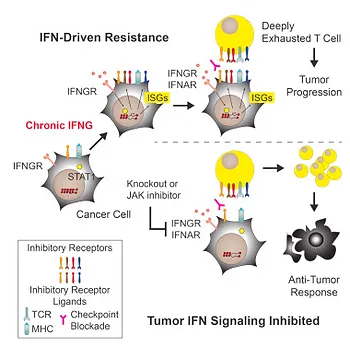 Figure 1
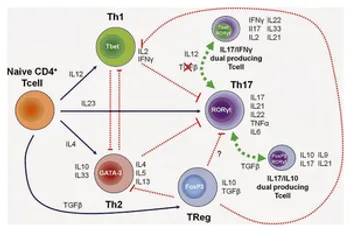 Figure 2
 Figure 3
 Figure 4
 Figure 5