
(Pancreatic Cancer) Is BL-8040 + Keytruda + Chemotherapy Effective?
Medical Supporter — Information Notice
This article is a summary of international medical information and is not medical advice; it cannot replace the diagnosis or treatment plan of your attending physician. The medical technologies, drug information and clinical data presented here are compiled from public literature and official statements of major Japanese medical institutions; the applicability and outcome of any therapy vary with each patient and must be assessed individually by a qualified physician.
From December 11 to 14, 2019, at the European Society for Medical Oncology Immuno-Oncology Congress held in Geneva, Switzerland, Manuel Hidalgo presented "Efficacy and Safety Results of the CXCR4 Inhibitor BL-8040 + Anti-PD-1 Antibody Keytruda + Chemotherapy in Patients with Metastatic Pancreatic Ductal Adenocarcinoma Who Had Progressed on Gemcitabine-Based First-Line Therapy, from the COMBAT Phase 2a Clinical Trial."
The COMBAT Phase 2a clinical trial enrolled patients with metastatic pancreatic ductal adenocarcinoma who had progressed on gemcitabine-based first-line therapy (N=22). After a 5-day BL-8040 monotherapy lead-in, treatment was changed to BL-8040 twice weekly + chemotherapy every two weeks + Keytruda every three weeks. The primary endpoint was the objective response rate, and secondary endpoints were progression-free survival and overall survival.
The rationale for this trial was that while anti-PD-1/PD-L1 antibody drugs have demonstrated efficacy in multiple cancer types, no studies had specifically investigated metastatic pancreatic ductal adenocarcinoma, a tumor type with a poor prognosis. Furthermore, treatment options for metastatic pancreatic ductal adenocarcinoma are extremely limited. Therefore, this trial evaluated the CXCR4 inhibitor—which can modulate the tumor microenvironment and enhance immune antitumor responses—combined with a PD-1 antibody drug and chemotherapy.
Among the 15 evaluable patients, the primary endpoint objective response results were: 4 patients with partial response and 8 patients with stable disease. Patients achieving partial response and stable disease all showed initial elevation followed by a decline in the tumor marker CA19-9, with confirmed tumor shrinkage.
The secondary endpoints of progression-free survival and overall survival had not yet been reached at the time of this analysis. In terms of safety, 10 patients reported a total of 15 serious adverse events, and 2 patients discontinued treatment due to adverse events.
Based on the COMBAT clinical trial results, Manuel Hidalgo concluded: "In patients with metastatic pancreatic ductal adenocarcinoma, the combination of CXCR4 inhibitor BL-8040 + anti-PD-1 antibody Keytruda + chemotherapy demonstrated good antitumor activity and a high disease control rate."
Medical Supporter was formerly certified as an international medical visa guarantor by Japan's Ministry of Foreign Affairs and the Ministry of Economy, Trade and Industry (B-066).
Considering medical care in Japan? Need information and support?
We help you organize the information needed for medical travel to Japan, liaise with Japanese medical institutions, and arrange a second-opinion consultation.The first consultation is free; an advisor will help you clarify the next steps.
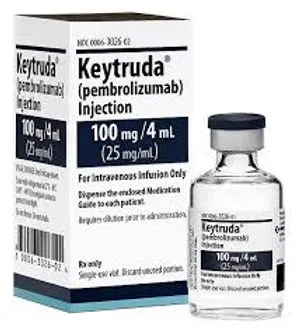 Figure 1
 Figure 2
 Figure 3
 Figure 4