
(Liver Cancer) Comparing Opdivo vs. Nexavar Efficacy
Medical Supporter — Information Notice
This article is a summary of international medical information and is not medical advice; it cannot replace the diagnosis or treatment plan of your attending physician. The medical technologies, drug information and clinical data presented here are compiled from public literature and official statements of major Japanese medical institutions; the applicability and outcome of any therapy vary with each patient and must be assessed individually by a qualified physician.
From September 27 to October 1, 2019, Thomas Yau presented at the European Society for Medical Oncology (ESMO) conference in Barcelona, Spain, the "Efficacy Comparison Results of Anti-PD-1 Antibody Opdivo (nivolumab) Monotherapy and Nexavar (sorafenib) Monotherapy as First-Line Treatment in Treatment-Naive Hepatocellular Carcinoma Patients in the CheckMate 459 Phase III Clinical Trial."
CheckMate 459 was a multicenter, randomized, controlled Phase III clinical trial. Treatment-naive hepatocellular carcinoma patients (N=743) were randomly assigned in a 1:1 ratio to either the Opdivo monotherapy group (every 2 weeks: Opdivo 240mg, N=371) or the Nexavar monotherapy group (twice daily: Nexavar 400mg, N=372). The primary endpoint was overall survival (OS), and secondary endpoints included progression-free survival and objective response rate.
At a median follow-up of 22.8 months, the results were as follows: the median overall survival (primary endpoint) was 16.4 months for the Opdivo group versus 14.7 months for the Nexavar group. Although there was a trend toward reduced mortality risk in the Opdivo group, no significant improvement was demonstrated. The 12-month overall survival rates were 59.7% for Opdivo vs. 55.1% for Nexavar, and the 24-month overall survival rates were 36.8% for Opdivo vs. 33.1% for Nexavar.
The median progression-free survival (secondary endpoint) was 3.7 months for Opdivo vs. 3.8 months for Nexavar. The objective response rate (another secondary endpoint) was 14% for Opdivo (N=57) vs. 7% for Nexavar (N=26). Complete response rates were 4% (N=14) for Opdivo vs. 1% (N=5) for Nexavar, and partial response rates were 12% (N=43) for Opdivo vs. 6% (N=21) for Nexavar.
The trial also evaluated objective response rates stratified by PD-L1 expression. For patients with PD-L1 expression below 1%, objective response rates were 12% for Opdivo (N=36) vs. 7% for Nexavar (N=20). For patients with PD-L1 expression of 1% or more, objective response rates were 28% for Opdivo (N=20) vs. 9% for Nexavar (N=6), demonstrating that patients with higher PD-L1 expression had better objective response rates with Opdivo.
Regarding safety, no new adverse events were observed in the Opdivo group compared to previous trials. Grade 3 and 4 adverse event rates were 22% (N=81) for Opdivo vs. 49% (N=179) for Nexavar. Treatment discontinuation rates due to adverse events were 4% (N=16) for Opdivo vs. 8% (N=29) for Nexavar.
Based on the CheckMate 459 clinical trial results, Thomas Yau stated: "In this trial, there was no significant difference in the primary endpoint of overall survival between the two groups. However, current first-line standard treatment for hepatocellular carcinoma with Nexavar does not meet all patients' medical needs. This trial shows that Opdivo monotherapy not only improved overall survival but also reflected a high complete response rate, and may become one of the optimal treatment options for hepatocellular carcinoma patients."
Source: Nivolumab Challenges Sorafenib as First-line Treatment in Advanced HCC [ESMO 2019 Oncology news]
Medical Supporter was formerly certified as an international medical visa guarantor by Japan's Ministry of Foreign Affairs and the Ministry of Economy, Trade and Industry (B-066).
Considering medical care in Japan? Need information and support?
We help you organize the information needed for medical travel to Japan, liaise with Japanese medical institutions, and arrange a second-opinion consultation.The first consultation is free; an advisor will help you clarify the next steps.
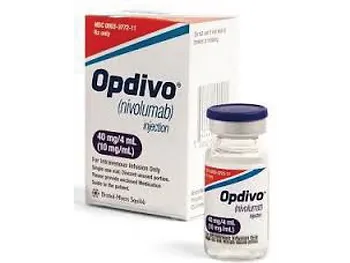 Figure 1
 Figure 2
 Figure 3
 Figure 4
 Figure 5