
(Ovarian Cancer) Is Opdivo + Avastin Effective?
Medical Supporter — Information Notice
This article is a summary of international medical information and is not medical advice; it cannot replace the diagnosis or treatment plan of your attending physician. The medical technologies, drug information and clinical data presented here are compiled from public literature and official statements of major Japanese medical institutions; the applicability and outcome of any therapy vary with each patient and must be assessed individually by a qualified physician.
On October 10, 2019, Joyce F. Liu published in JAMA Oncology the "Efficacy and Safety Results of Combined Anti-PD-1 Antibody Opdivo (nivolumab) Plus Avastin (bevacizumab) in Previously Treated, Relapsed/Refractory Ovarian Cancer Patients in a Phase II Clinical Trial."
In this Phase II clinical trial, previously treated, relapsed/refractory ovarian cancer patients (N=38) received biweekly Opdivo 240mg + Avastin 10mg/kg therapy until unexpected adverse events occurred. The primary endpoint was objective response rate, and secondary endpoints included progression-free survival and safety.
This trial was initiated because PD-L1-positive ovarian cancer patients have poor prognoses, and based on prior clinical trials, the objective response rates for anti-PD-1 antibodies Opdivo and Keytruda in relapsed ovarian cancer patients were 15% and 8% respectively, showing limited antitumor effects. Based on this background, the trial evaluated the efficacy of combined anti-PD-1 antibody therapy in previously treated patients.
Patient background:
- Median age: 64 years (range 57-68)
- Race: White 92.1%, Asian 5.3%
- Stage: Stage I 2.6%, Stage II 7.9%, Stage III 50.0%, Stage IV 34.2%
- BRCA gene: Mutant type 5.3%, Wild type 6.3%, Unknown 18.4%
- Prior treatment: 1 prior treatment 42.1%, 2 prior treatments 34.2%, 3 prior treatments 23.7%
- Prior Avastin treatment: Yes 65.8%, No 34.2%
The trial results were as follows: the primary endpoint objective response rate for all patients was 28.9%, 40.0% for platinum-sensitive patients, and 16.7% for platinum-resistant patients.
The median duration of response for all patients was 6.0 months, 5.6 months for platinum-sensitive patients, and 12.3 months for platinum-resistant patients. The median progression-free survival for all patients was 8.1 months, 9.4 months for platinum-sensitive patients, and 5.3 months for platinum-resistant patients.
Regarding safety, at least one adverse event occurred in 89.5% of patients, with grade 3 or higher adverse events occurring in 23.7%. The most commonly observed adverse events were fatigue (47.4%), headache (28.9%), myalgia (28.9%), elevated serum amylase (28.9%), elevated AST (26.3%), and hypertension (26.3%).
Based on the Phase II clinical trial results, Joyce F. Liu concluded: "Combined anti-PD-1 antibody Opdivo plus Avastin showed favorable antitumor effects in relapsed/refractory ovarian cancer patients, particularly in platinum-sensitive patients. Opdivo + Avastin has the potential to become a new treatment option for these patients."
Source: Assessment of Combined Nivolumab and Bevacizumab in Relapsed Ovarian Cancer
Medical Supporter was formerly certified as an international medical visa guarantor by Japan's Ministry of Foreign Affairs and the Ministry of Economy, Trade and Industry (B-066).
Considering medical care in Japan? Need information and support?
We help you organize the information needed for medical travel to Japan, liaise with Japanese medical institutions, and arrange a second-opinion consultation.The first consultation is free; an advisor will help you clarify the next steps.
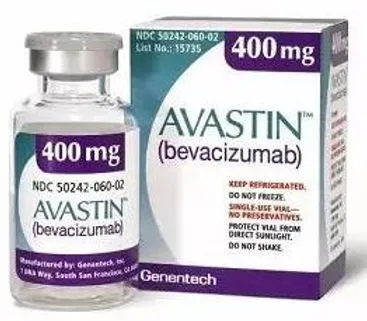 Figure 1
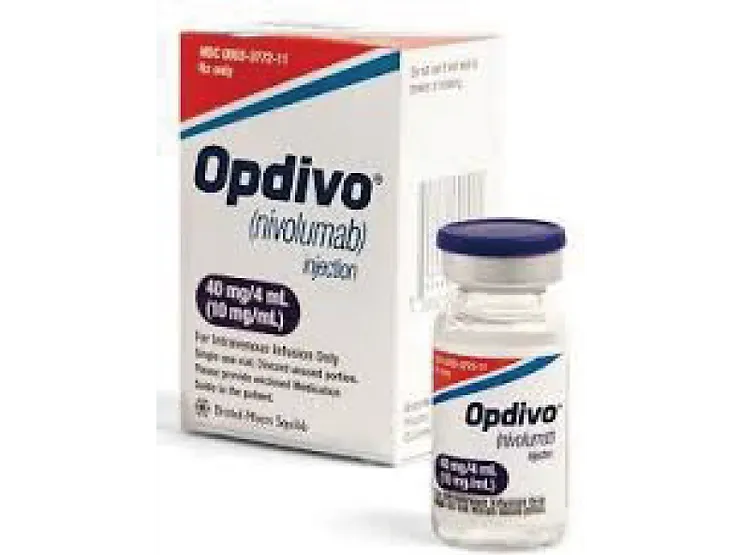 Figure 2
 Figure 3
 Figure 4
 Figure 5