
(Ovarian Cancer) Niraparib + Avastin (Bevacizumab) More Effective?
Medical Supporter — Information Notice
This article is a summary of international medical information and is not medical advice; it cannot replace the diagnosis or treatment plan of your attending physician. The medical technologies, drug information and clinical data presented here are compiled from public literature and official statements of major Japanese medical institutions; the applicability and outcome of any therapy vary with each patient and must be assessed individually by a qualified physician.
At the ASCO 2019 Annual Meeting held in Chicago from May 31 to June 4, 2019, Mansoor Raza Mirza presented comparative efficacy and safety results of PARP inhibitor niraparib monotherapy versus combination niraparib + bevacizumab (Avastin) in patients with platinum-sensitive recurrent ovarian cancer from the NSGO-AVANOVA2/ENGOT-OV24 Phase II clinical trial.
The NSGO-AVANOVA2/ENGOT-OV24 trial used a 1:1 randomized controlled design to compare two groups of patients with high-grade serous platinum-sensitive recurrent ovarian cancer (N=97) in a Phase II trial. The primary endpoint was progression-free survival (PFS):
- Niraparib monotherapy group (niraparib 300 mg once daily; N=49)
- Combination niraparib + bevacizumab group (niraparib 300 mg once daily + bevacizumab 15 mg/kg every three weeks)
The trial was initiated because standard treatment with platinum-based chemotherapy in platinum-sensitive recurrent ovarian cancer patients not only failed to achieve improvement but accumulated toxicity. Based on this, combining the PARP inhibitor and bevacizumab — both proven effective in these patients — was expected to produce better outcomes.
Patient Characteristics:
Median age — Niraparib group: 66 years (58–70); Niraparib + bevacizumab: 66.5 years (59–70)
Prior chemotherapy duration — Niraparib group: 6–12 months 35%, >12 months 65%; Combination: 6–12 months 42%, >12 months 58%
Median prior treatment lines — Niraparib group: 1 line 55%, 2 lines 39%, 3 lines 6%; Combination: 1 line 44%, 2 lines 50%, 3 lines 6%
BRCA gene status — Niraparib group: positive 37%; Combination: positive 31%
Homologous recombination repair (HRD) status — Niraparib group: positive 61%; Combination: positive 58%
Results: The primary endpoint median PFS was: niraparib monotherapy 5.5 months vs. combination niraparib + bevacizumab 11.9 months — a significant improvement for the combination group.
Subgroup analysis results — By prior chemotherapy duration, HRD expression, and BRCA status, the combination of niraparib + bevacizumab showed improved PFS:
- Chemotherapy duration: 6–12 months: 71% improvement; >12 months: 58% improvement
- HRD positive: 62% improvement; HRD negative: 60% improvement
- BRCA mutation: 51% improvement; No BRCA mutation: 68% improvement
Regarding safety, the combination group had more adverse events, with hypertension, proteinuria, and deep vein thrombosis being the most commonly observed.
Based on NSGO-AVANOVA2/ENGOT-OV24 results, Mansoor Raza Mirza concluded: The combination of PARP inhibitor niraparib + bevacizumab in platinum-sensitive recurrent ovarian cancer patients showed improved PFS regardless of prior chemotherapy duration, BRCA status, or HRD status. Patient tolerability of adverse events was also acceptable.
Source: Combination of niraparib and bevacizumab versus niraparib alone as treatment of recurrent platinum-sensitive ovarian cancer. A randomized controlled chemotherapy-free study — NSGO-AVANOVA2/ENGOT-OV24. (2019 ASCO Annual Meeting, Abstract No: 5505)
Medical Supporter was formerly certified as an international medical visa guarantor by Japan's Ministry of Foreign Affairs and the Ministry of Economy, Trade and Industry (B-066).
Considering medical care in Japan? Need information and support?
We help you organize the information needed for medical travel to Japan, liaise with Japanese medical institutions, and arrange a second-opinion consultation.The first consultation is free; an advisor will help you clarify the next steps.
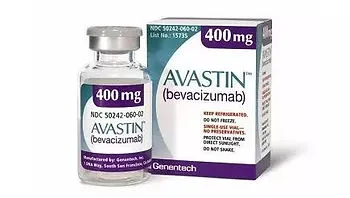 Figure 1
 Figure 2
 Figure 3
 Figure 4