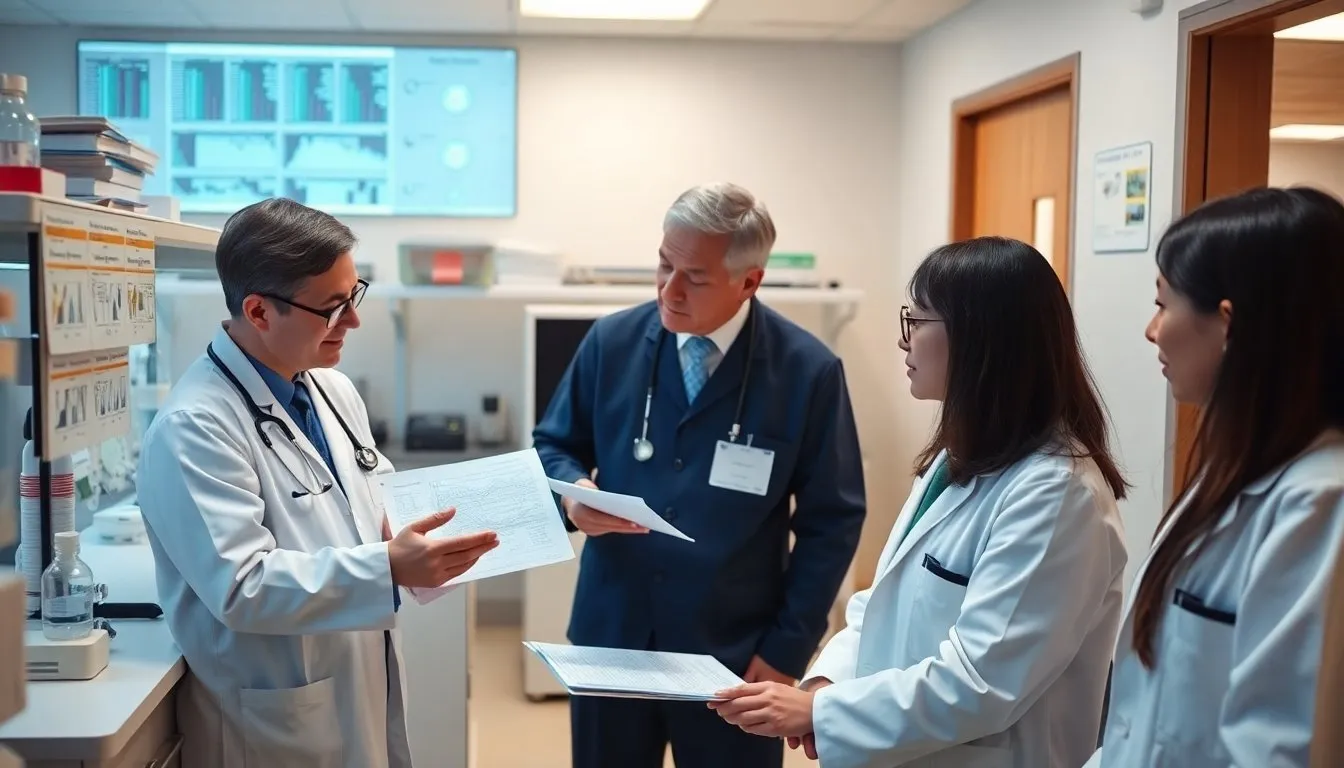
(Kidney Cancer) Latest Immunotherapy: Neoantigen
Medical Supporter — Information Notice
This article is a summary of international medical information and is not medical advice; it cannot replace the diagnosis or treatment plan of your attending physician. The medical technologies, drug information and clinical data presented here are compiled from public literature and official statements of Japanese medical institutions; the applicability and outcome of any therapy vary with each patient and must be assessed individually by a qualified physician.
- September 3, 2019
- Read time: 2 minutes
Every person's body contains special lymphocytes with the characteristic of attacking cancer cells. However, the strength of this response varies from person to person, and the key lies in whether the cancer cells have characteristics that lymphocytes can recognize as enemies. Currently, genetic testing can analyze cancer cells to identify characteristics unique to cancer cells. Personalized vaccines are then created based on these characteristics. In the United States, 50 types of ongoing clinical trials have been registered.
The most important requirement for neoantigen therapy is "fresh cancer cells" — only about the size of a little fingernail is needed. Typically, the organ removed during surgery is made into a tumor specimen, from which cancer cells can be extracted. Whether to undergo neoantigen treatment should be decided after discussing it with a physician. In addition to providing cryopreserved tumor tissue, a special type of blood draw called apheresis was required to extract the components needed for the vaccine.
Once the vaccine was prepared, its location was confirmed using ultrasound, and the vaccine was injected at two lymph node sites — this completes one round of treatment. The procedure takes only a few seconds.
After vaccination, patients receive regular checkups, and the interval between injections may be adjusted gradually based on the physician's judgment. The effects and side effects of neoantigen vaccines vary by individual; this approach is still under clinical research and has not been established as standard treatment.
The report also mentioned that some Stage IV patients have received this treatment; however, individual cases do not mean that other patients will achieve the same results, and suitability must be judged by a physician.
[Important Note] Medical Supporter's translations of overseas published newspaper and magazine content and treatment information are not intended to encourage use of the treatment methods introduced in the reports. The translated information is for reference only and not intended as treatment guidelines. Please discuss with healthcare professionals for accurate information.
Source: FRIDAY Magazine, October Issue
Medical Supporter was formerly certified as an international medical visa guarantor by Japan's Ministry of Foreign Affairs and the Ministry of Economy, Trade and Industry (B-066).
Considering medical care in Japan? Need information and support?
We help you organize the information needed for medical travel to Japan, liaise with Japanese medical institutions, and arrange a second-opinion consultation.The first consultation is free (initial direction only; further services are quoted separately); an advisor will help you clarify the next steps.
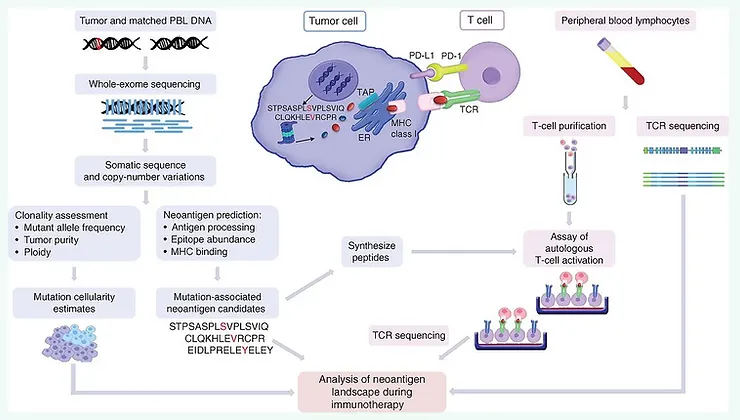 Figure 1
 Figure 2
 Figure 3
 Figure 4