
(Colorectal Cancer) Is Murlentamab + Trifluridine (Lonsurf) Combination Effective?
Medical Supporter — Information Notice
This article is a summary of international medical information and is not medical advice; it cannot replace the diagnosis or treatment plan of your attending physician. The medical technologies, drug information and clinical data presented here are compiled from public literature and official statements of major Japanese medical institutions; the applicability and outcome of any therapy vary with each patient and must be assessed individually by a qualified physician.
At the ESMO World Congress on Gastrointestinal Cancer held in Barcelona, Spain from July 3–6, 2019, Eric Van Cutsem presented the efficacy and safety results from a Phase II clinical trial evaluating anti-AMHR-II monoclonal antibody Murlentamab (GM102) monotherapy and Murlentamab + trifluridine (Lonsurf) combination therapy in patients with locally advanced or metastatic colorectal cancer.
The Phase II trial enrolled patients with locally advanced or metastatic colorectal cancer and administered either Murlentamab (GM102) 7 mg/kg monotherapy weekly (N=21) or Murlentamab (GM102) 7 mg/kg + trifluridine combination (N=18). The primary endpoint was objective response rate (ORR); secondary endpoints were progression-free survival (PFS) and safety.
Patient Characteristics:
- Median age: 60 years; male: 61.5%
- Primary site: rectum 33.3%, colon 66.7%; right-sided 50%, left-sided 50%
- KRAS mutation: 64.1%; median prior treatment lines: 3
- AMHR-II positive rate: 85.3%
Results:
Primary endpoint ORR:
- Monotherapy group (N=14): No confirmed responses. Disease stabilization rate at Month 2: 21.4%; Month 4: 7.1%
- Combination group (N=15): No confirmed responses. Disease stabilization rate at Month 2: 53.3%; Month 4: 40.0%; Month 6: 30.8%
In the combination group, median treatment duration was 6.0 months for patients with ≥20% AMHR-II-positive tumor cells, versus 2.4 months for those with <20%.
Safety:
Adverse events were confirmed in 10 patients in the combination group only. Most adverse events were loss of appetite, vomiting, nausea, constipation, and fatigue.
Based on the Phase II trial results, Eric Van Cutsem concluded: In patients with locally advanced or metastatic colorectal cancer with high AMHR-II expression, Murlentamab + trifluridine combination therapy showed favorable progression-free survival.
Source: Phase 2 study results of murlentamab, a monoclonal antibody targeting the Anti-Mullerian-Hormone-Receptor II (AMHRII), acting through Tumor-Associated Macrophage engagement in advanced/metastatic colorectal cancers (WCGC 2019 Abstract #LBA-004)
Medical Supporter was formerly certified as an international medical visa guarantor by Japan's Ministry of Foreign Affairs and the Ministry of Economy, Trade and Industry (B-066).
Considering medical care in Japan? Need information and support?
We help you organize the information needed for medical travel to Japan, liaise with Japanese medical institutions, and arrange a second-opinion consultation.The first consultation is free; an advisor will help you clarify the next steps.
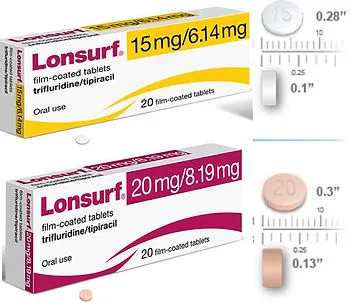 Figure 1
 Figure 2
 Figure 3
 Figure 4