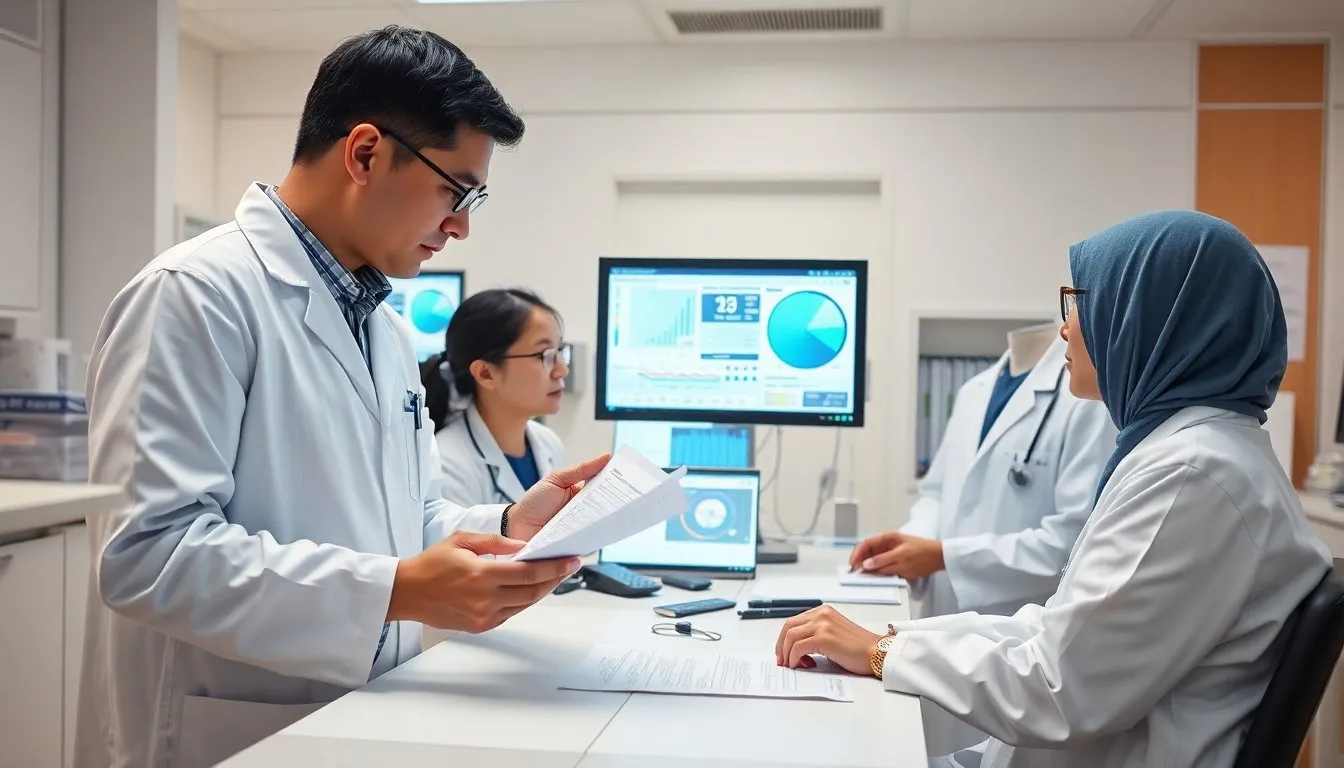
Work Notes — Patient Assistance Experience
Medical Supporter — Information Notice
This article is a summary of international medical information and is not medical advice; it cannot replace the diagnosis or treatment plan of your attending physician. The medical technologies, drug information and clinical data presented here are compiled from public literature and official statements of major Japanese medical institutions; the applicability and outcome of any therapy vary with each patient and must be assessed individually by a qualified physician.
"All treatments have stopped working. There's no suitable medication for me. What can I do?"
"The doctor said I can't have surgery or radiation therapy. What should I do?"
"My family member has been bedridden for a long time. They've been advised to go to a palliative care ward. Is there still hope? What should I do?"
These are the most common inquiries Medical Supporter receives. Unless a caller expresses a very strong wish to avoid conventional treatment and pursue only cellular therapy, we always advise them to first follow standard treatment protocols — go step by step through the established treatment pathway, and treat cellular therapy as one of several complementary approaches. After all, conventional therapies are backed by extensive clinical trial data. Even when asked, "Will standard treatment definitely work?", the answer varies by individual — but our position remains that we hope everyone first accepts the standard treatment pathway before deciding whether to add cellular therapy as supplemental support.
"Can I go to Japan and receive treatment at a famous hospital?" Absolutely — and we do assist with this. For example, the Cancer Institute Hospital of JFCR (Ariake Hospital), which treats the highest number of cancer patients in all of Japan, will advise on recommended treatment approaches after reviewing a second medical opinion request evaluated by their specialist medical team. You can receive reliable guidance there.
One issue Medical Supporter frequently encounters: "I want to get Drug XXXX. Where can I get it? What's the price? How much can I take?" But that's not the proper process — and it offers no protection for the patient. What are this drug's side effects? What dosage is appropriate? Is the drug's source reliable? (Many people trust Japanese products, but fake drugs have been reported in Japan as well in recent years.) Even when we repeatedly explain the proper process, some callers respond: "You're really useless. If you can't even do this much, how are you in business?" (Speechless...)
Medical Supporter has always assisted patients visiting medical institutions in Japan through proper channels: the physician sees the patient first, evaluates whether the patient is suitable for the drug, and then issues a prescription. We are a professional team for medical travel to Japan — legally registered there, operating in compliance with local regulations. That's the only way to sustain this work long-term. Of course, we fully understand the anxiety of patients and families; many consultations come charged with emotion. We do our best to share the accumulated experience and database we've built, streamline processes, and arrange medical consultations as quickly as possible. On the topic of obtaining medications — stepping back — if a patient is suitable for a particular drug, we believe physicians in Taiwan and Japan alike would gladly write a prescription, because saving lives is the most important mission of any medical institution.
Since this is a work diary, I'll also share a brief note from yesterday: a family member contacted us wanting to learn about stem cells. If anything is unclear about a treatment, we believe your attending physician would be happy to explain the reasons, why it might be appropriate, and the details of the treatment approach. It's not that we're avoiding the question — without knowing the specifics, it's difficult to make any arbitrary comments.
If you need any assistance, please let us know — but many decisions can only be made once sufficient information is gathered. On a lighter note — recently, in addition to medical matters, some patients visiting Japan have also been helping friends bring back purchases. Please pay attention to customs restrictions and the quantities allowed for personal import.
*1 Sankei Shimbun, fake hepatitis C drugs: http://www.sankei.com/life/news/170313/lif1703130043-n1.html
Medical Supporter was formerly certified as an international medical visa guarantor by Japan's Ministry of Foreign Affairs and the Ministry of Economy, Trade and Industry (B-066).
Considering medical care in Japan? Need information and support?
We help you organize the information needed for medical travel to Japan, liaise with Japanese medical institutions, and arrange a second-opinion consultation.The first consultation is free; an advisor will help you clarify the next steps.
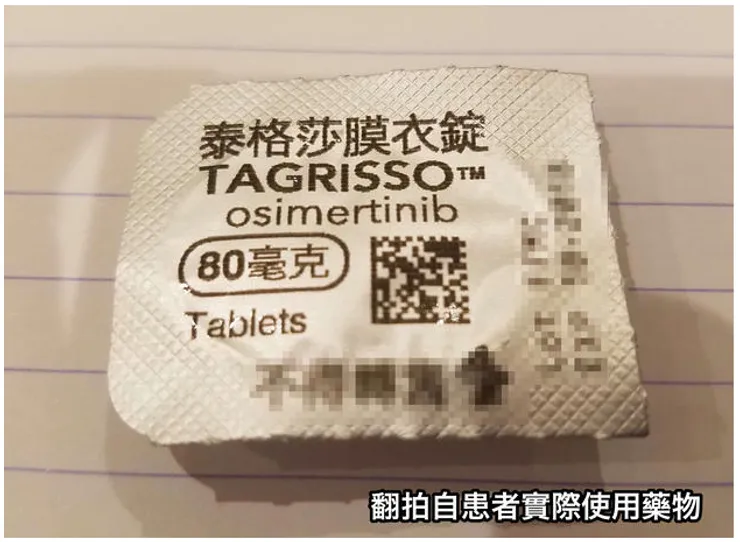 Figure 1
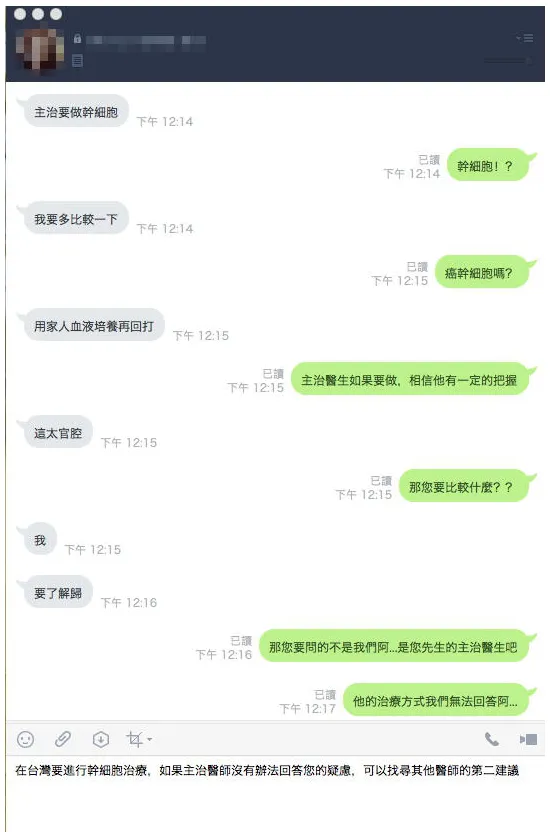 Figure 2
 Figure 3
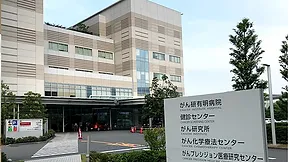 Figure 4
 Figure 5