
Effects of Fucoidan on Cancer Cells
Medical Supporter — Information Notice
This article is a summary of international medical information and is not medical advice; it cannot replace the diagnosis or treatment plan of your attending physician. The medical technologies, drug information and clinical data presented here are compiled from public literature and official statements of major Japanese medical institutions; the applicability and outcome of any therapy vary with each patient and must be assessed individually by a qualified physician.
- December 1, 2019
- Reading time: 3 minutes
Updated: March 11, 2020
What Is Fucoidan?
Fucoidan is a sulfated polysaccharide found primarily in the extracellular matrix of brown and green algae, and is also a structural component of certain marine invertebrates such as sea urchins and sea cucumbers. This polysaccharide was first isolated from marine brown algae in 1913 by Dr. Kylin, who named it "fucoidin" while investigating the low cancer incidence in Okinawa, Japan. It has since been standardized as "fucoidan."
Fucoidan is a high-molecular-weight polysaccharide rich in L-fucose, sulfate groups, galactose, mannose, xylose, and uronic acids. Its unique molecular structure makes it a distinctive and effective natural health ingredient. Numerous animal and human studies have found it to possess anticancer effects that are difficult to achieve with conventional drugs or other compounds. Fucoidan is currently used as a complementary treatment for cancer — it enhances anticancer immunity, reduces chemotherapy-related side effects, and improves quality of life.
Effects on Cancer Cells
1. Inducing Cancer Cell Self-Destruction
Normal cells have a defined lifespan and undergo natural apoptosis when aged or damaged — a self-destruction program encoded in cellular DNA. Cancer cells, however, lack this natural apoptosis mechanism and have no lifespan limit; as long as nutrients are available, they can proliferate or metastasize without restriction. Multiple studies have found that fucoidan can activate the apoptosis mechanism in cancer cells, inducing their self-destruction.
2. Inhibiting Tumor Angiogenesis
Cancer cells cannot grow without surrounding blood vessels supplying nutrients. Once a tumor reaches a certain size, it signals for new vessel formation (angiogenesis) to obtain sufficient nutrients and oxygen. These new vessels become critical conduits for cancer metastasis and spread. Animal studies have shown that fucoidan inhibits vascular endothelial growth factor (VEGF), significantly suppressing angiogenesis and reducing the likelihood of tumor growth and metastasis.
3. Activating Natural Killer Cells Against Cancer
Natural killer (NK) cells represent the first line of defense in the body's immune system against cancer. They are natural cancer cell killers with multiple mechanisms to eliminate malignant cells, and they also regulate the activity of other immune cells (such as B cells, T cells, and dendritic cells) to enhance anticancer immunity. Clinical research has found that NK cell activity is a key factor in cancer prevention and treatment, significantly influencing treatment outcomes — which has spurred the development of many NK cell-based cancer therapies. Animal studies have found that fucoidan can activate NK cells and other immune cells, strengthening their attack on cancer cells and preventing metastasis.
4. Reducing Chemotherapy Side Effects
Chemotherapy is a common cancer treatment, but these cytotoxic agents can affect normal cells as well, causing severe side effects such as fatigue, nausea, hair loss, oral ulcers, constipation, diarrhea, and immune impairment. Clinical research has demonstrated that fucoidan supplementation during chemotherapy can significantly reduce chemotherapy-related side effects (particularly fatigue) and improve survival rates.
5. Suppressing Inflammatory Responses
Harvard professor Paul M. Ridker, MD, has noted that most chronic diseases — including hypertension, diabetes, heart disease, stroke, obesity, and allergies — are linked to chronic inflammation, and cancer, the most serious of all diseases, also originates from chronic inflammation. Research has found that fucoidan inhibits NF-κB, the key initiator of cellular inflammation, reducing inflammatory responses and helping to control disease progression.
Regular treatment by a physician should remain the primary approach. Consult your doctor or clinical nutritionist before purchasing health supplements. Among commonly used nutritional supplements for cancer support, the most typical are: high-protein supplements to improve patient nutrition; amino acids such as glutamine to support tissue repair; and polysaccharides — including fucoidan — for immune modulation and anti-inflammatory effects. Select products based on individual needs and discuss comprehensive nutritional support with your physician.
#Fucoidan #Okinawa
Medical Supporter was formerly certified as an international medical visa guarantor by Japan's Ministry of Foreign Affairs and the Ministry of Economy, Trade and Industry (B-066).
Considering medical care in Japan? Need information and support?
We help you organize the information needed for medical travel to Japan, liaise with Japanese medical institutions, and arrange a second-opinion consultation.The first consultation is free; an advisor will help you clarify the next steps.
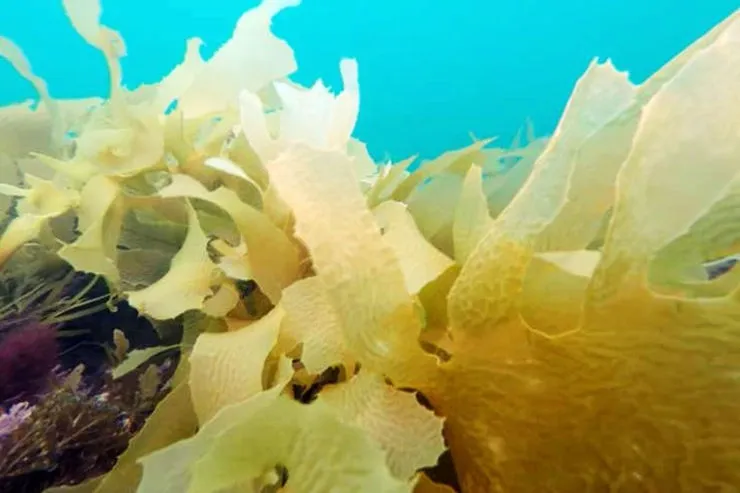 Figure 1
 Figure 2
 Figure 3
 Figure 4
 Figure 5