
ASCO GU 2018: Clinical Data for Atezolizumab + Avastin in Renal Cell Carcinoma
Medical Supporter — Information Notice
This article is a summary of international medical information and is not medical advice; it cannot replace the diagnosis or treatment plan of your attending physician. The medical technologies, drug information and clinical data presented here are compiled from public literature and official statements of major Japanese medical institutions; the applicability and outcome of any therapy vary with each patient and must be assessed individually by a qualified physician.
Medical Supporter — Information Notice
This article is a summary of international medical information and is not medical advice; it cannot replace the diagnosis or treatment plan of your attending physician. The medical technologies, drug information and clinical data presented here are compiled from public literature and official statements of major Japanese medical institutions; the applicability and outcome of any therapy vary with each patient and must be assessed individually by a qualified physician.
At the American Society of Clinical Oncology Genitourinary Cancers Symposium (ASCO GU 2018) held in San Francisco, California, Dr. Robert J. Motzer from Memorial Sloan Kettering Cancer Center presented the results of the IMmotion151 Phase 3 clinical trial (NCT02420821).
IMmotion151 Trial: Atezolizumab + Bevacizumab vs. Sunitinib
The study involved 915 patients with untreated metastatic renal cell carcinoma (mRCC). Participants were randomized 1:1 into two groups:
- Group A: Atezolizumab 1,200 mg + Bevacizumab (Avastin) 15 mg/kg every three weeks.
- Group B: Sunitinib 50 mg daily for four weeks, followed by a one-week rest.
The primary objective was to compare progression-free survival (PFS) in patients with PD-L1 expression (≥1%).
Key Findings (Median Follow-up of 15 Months)
Progression-Free Survival (PFS) in PD-L1+ Patients
- Group A (Atezolizumab + Avastin): 11.2 months
- Group B (Sunitinib): 7.7 months
- The combination therapy demonstrated a 26% reduction in the risk of disease progression or death compared to Sunitinib.
Overall Survival (OS)
Statistical analysis for OS is ongoing, as current data reached insufficient maturity for a definitive conclusion at the time of this report.
Safety and Adverse Events (TRAE)
- Treatment-Related Adverse Events (TRAE): 40% in Group A vs. 54% in Group B.
- Discontinuation due to TRAEs: 12% in Group A vs. 8% in Group B.
Conclusion
Dr. Robert J. Motzer emphasized that for metastatic renal cell carcinoma patients—whose five-year survival rate is currently less than 20%—the combination of Atezolizumab and Avastin extends median PFS by 3.5 months. This combination therapy represents a significant new treatment option for patients with metastatic RCC.
#RenalCellCarcinoma #Atezolizumab #Avastin #Immunotherapy #CancerResearch
Considering medical care in Japan? Need information and support?
We help you organize the information needed for medical travel to Japan, liaise with Japanese medical institutions, and arrange a second-opinion consultation.The first consultation is free; an advisor will help you clarify the next steps.
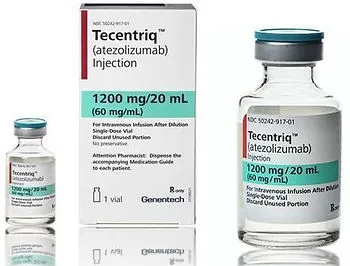 Figure 1
 Figure 2
 Figure 3
 Figure 4