
mFOLFOX in Second-Line Biliary Tract Cancer: ABC-06 Trial Results
Medical Supporter — Information Notice
This article is a summary of international medical information and is not medical advice; it cannot replace the diagnosis or treatment plan of your attending physician. The medical technologies, drug information and clinical data presented here are compiled from public literature and official statements of major Japanese medical institutions; the applicability and outcome of any therapy vary with each patient and must be assessed individually by a qualified physician.
Medical Supporter — Information Notice
This article is a summary of international medical information and is not medical advice; it cannot replace the diagnosis or treatment plan of your attending physician. The medical technologies, drug information and clinical data presented here are compiled from public literature and official statements of major Japanese medical institutions; the applicability and outcome of any therapy vary with each patient and must be assessed individually by a qualified physician.
At the ASCO 2019 Annual Meeting held in Chicago, researchers presented the findings of the ABC-06 Phase 3 clinical trial. This study evaluated the efficacy and safety of adding mFOLFOX chemotherapy to active symptom control (ASC) as a second-line treatment for patients with advanced biliary tract cancer (BTC) who had progressed on Gemcitabine and Cisplatin.
Study Design: ABC-06 Trial
The trial randomized 162 patients who had failed first-line therapy into two groups:
- ASC Group (N=81): Active symptom control alone.
- ASC + mFOLFOX Group (N=81): ASC plus mFOLFOX chemotherapy (Oxaliplatin 85 mg/m², L-folinic acid 175 mg/m², 5-FU 400 mg/m² bolus, followed by 5-FU 2,400 mg/m² 46-hour infusion every two weeks).
The primary endpoint was overall survival (OS).
Key Survival Results
The addition of mFOLFOX provided a statistically significant improvement in survival:
- Median Overall Survival: 6.2 months for the ASC + mFOLFOX group vs. 5.3 months for the ASC group.
- Survival Rates:
- 6-Month OS: 50.6% (ASC+mFOLFOX) vs. 35.5% (ASC).
- 12-Month OS: 25.9% (ASC+mFOLFOX) vs. 11.4% (ASC).
- Hazard Ratio (Adjusted): 0.69, indicating a significant survival benefit for the combination group.
Efficacy and Safety
- Progression-Free Survival (PFS): 4.0 months in the mFOLFOX group.
- Disease Control Rate: 33% in the mFOLFOX group.
- Safety: Adverse events were higher in the mFOLFOX group (59% vs. 40%). Common side effects included fatigue (19%), neutropenia (12%), and infection (18%).
Conclusion
Dr. Thomas Yau and the ABC-06 investigators concluded that adding mFOLFOX to ASC significantly improves overall survival in patients with advanced biliary tract cancer who have failed first-line Gemcitabine and Cisplatin. This trial establishes mFOLFOX as a new standard-of-care option for second-line therapy in advanced BTC.
Source: ASCO 2019 - ABC-06 Trial Abstract No: 4003
#BiliaryTractCancer #Cholangiocarcinoma #mFOLFOX #ABC06 #ASCO2019 #CancerResearch #SecondLineTherapy
Considering medical care in Japan? Need information and support?
We help you organize the information needed for medical travel to Japan, liaise with Japanese medical institutions, and arrange a second-opinion consultation.The first consultation is free; an advisor will help you clarify the next steps.
 Figure 1
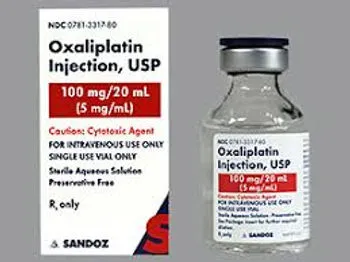 Figure 2
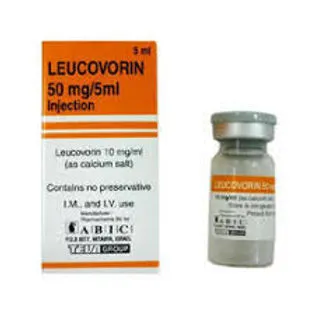 Figure 3
 Figure 4
 Figure 5
 Figure 6