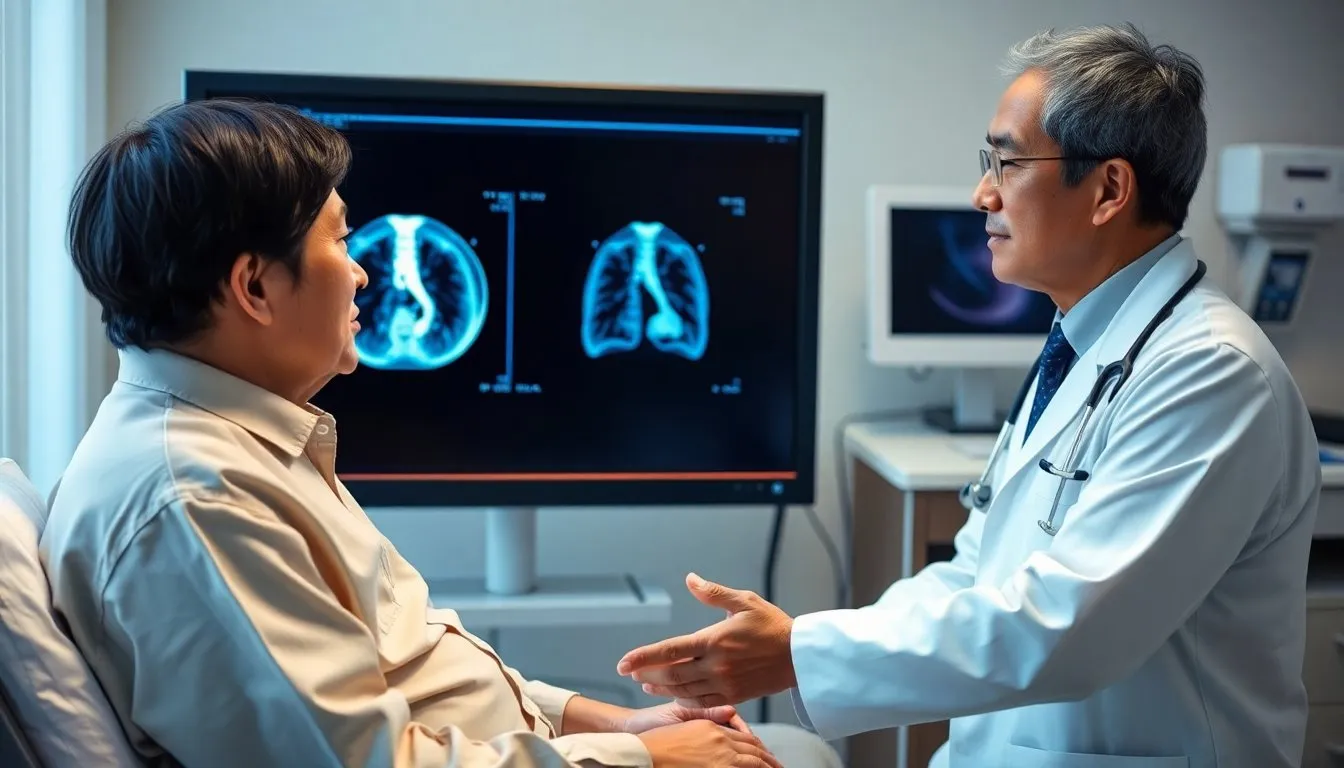
ALK-Positive NSCLC: What Real-World Data Reported on First-Line Alectinib
Medical Supporter — Information Notice
This article is a summary of international medical information and is not medical advice; it cannot replace the diagnosis or treatment plan of your attending physician. The medical technologies, drug information and clinical data presented here are compiled from public literature and official statements of Japanese medical institutions; the applicability and outcome of any therapy vary with each patient and must be assessed individually by a qualified physician.
Real-World Evidence Analysis
- October 22, 2019
Data presented at the 2019 European Society for Medical Oncology Congress demonstrated real-world outcomes of alectinib versus crizotinib and ceritinib in untreated ALK-positive NSCLC patients (n=420).
Study Design
Patient Population: Untreated ALK-positive NSCLC (n=420)
Treatment Cohorts:
- Alectinib (n=98)
- Crizotinib (n=4)
- Ceritinib (n=318)
Endpoints: Progression-free survival, overall survival, treatment continuation
Key Results
Median Progression-Free Survival:
- Alectinib: Not reached
- Crizotinib: 5.06 months
- Ceritinib: 6.41 months
6-Month PFS Rates:
- Alectinib: 83%
- Crizotinib: 50%
- Ceritinib: 55%
12-Month PFS Rates:
- Alectinib: 68%
- Crizotinib: 25%
- Ceritinib: 36%
Overall Survival:
- Alectinib median OS: Not reached
- Longer survival metrics reported in this real-world study
Clinical Conclusions
Real-world analysis confirms alectinib efficacy in first-line ALK-positive NSCLC, with longer progression-free and overall survival reported compared with earlier-generation ALK inhibitors (literature data; for reference only).
Data Source
Roche ESMO 2019 presentation: Alecensa in first-line ALK-positive NSCLC
Medical Supporter was formerly certified as an international medical visa guarantor by Japan's Ministry of Foreign Affairs and the Ministry of Economy, Trade and Industry (B-066).
Considering medical care in Japan? Need information and support?
We help you organize the information needed for medical travel to Japan, liaise with Japanese medical institutions, and arrange a second-opinion consultation.The first consultation is free (initial direction only; further services are quoted separately); an advisor will help you clarify the next steps.
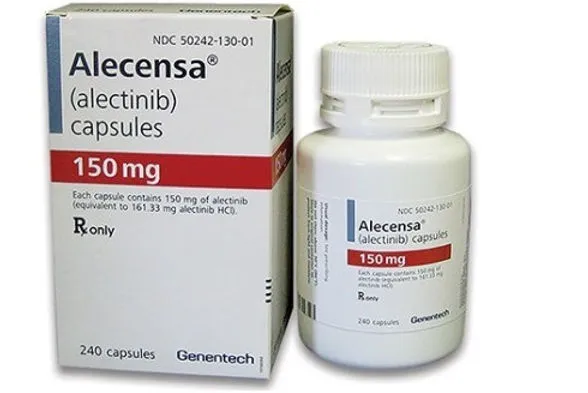 Figure 1
 Figure 2
 Figure 3
 Figure 4