Colorectal Cancer Treatment Guide: From Early Screening to Advanced Therapeutic Options
Medical Supporter — Information Notice
This article is a summary of international medical information and is not medical advice; it cannot replace the diagnosis or treatment plan of your attending physician. The medical technologies, drug information and clinical data presented here are compiled from public literature and official statements of major Japanese medical institutions; the applicability and outcome of any therapy vary with each patient and must be assessed individually by a qualified physician.
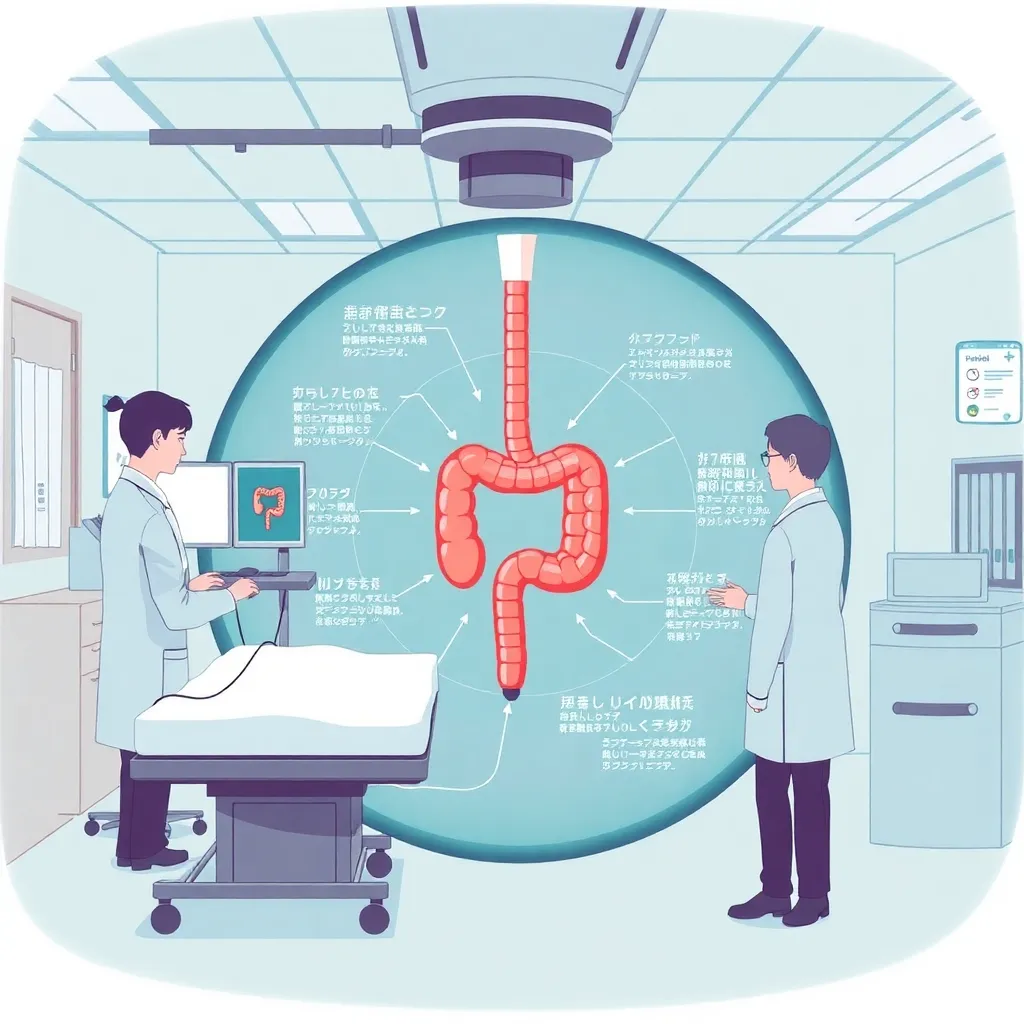
Colorectal cancer refers to malignant tumors originating in the large intestine (colon, rectum, or anus). While most colorectal cancers evolve from benign polyps known as "adenomas," some develop directly from the normal mucosa. As the cancer progresses, malignant cells penetrate deeper into the intestinal wall and may spread to the liver, lungs, or abdominal cavity through the lymphatic system and bloodstream.
Common Symptoms and Early Warning Signs
Colorectal cancer often presents few obvious symptoms in its early stages. As the condition advances, the following warning signs may appear:
- Hematochezia or Rectal Bleeding: Blood may be mixed within the stool or appear as bright red or dark red streaks on the surface.
- Changes in Bowel Habits: Persistent diarrhea, constipation, or narrowing of the stool.
- Abdominal Discomfort: Gastric pain, abdominal cramping, or a sensation of incomplete evacuation (tenesmus).
- Systemic Symptoms: Anemia, unexplained weight loss, and chronic fatigue.
Because benign conditions such as hemorrhoids can also cause bleeding, early gastroenterological examination and colonoscopy follow-up are critical.
Staging and Treatment Strategies for Colorectal Cancer
The primary treatment for colorectal cancer is surgical resection, often supplemented by chemotherapy or radiotherapy.
1. Endoscopic Therapy
For early-stage cancers localized within the mucosal layer, direct resection via colonoscopy is possible. This is a low-impact, painless, and highly safe treatment method that typically does not require traditional open surgery.
2. Surgical Resection
If endoscopic intervention is insufficient, surgery is required. Surgeons remove the tumor along with approximately 10 cm of the surrounding intestine and affected lymph nodes.
- Colectomy: Classified as right hemi-, transverse, left hemi-, or sigmoid colectomy depending on the location.
- Minimally Invasive Surgery: Laparoscopic surgery has become the standard of modern care due to smaller incisions and faster recovery times.
3. Special Considerations for Rectal Cancer
The rectum is located deep within the pelvis, in close proximity to the prostate, bladder, and uterus.
- Sphincter-Preserving Surgery: Modern surgical techniques, such as Low Anterior Resection (LAR), aim to preserve anal function and avoid a permanent stoma whenever possible.
- Preoperative Neoadjuvant Therapy: In Japan, physicians frequently combine radiation and chemotherapy prior to surgery to shrink tumors, thereby increasing the likelihood of sphincter preservation.
Lifestyle and Prevention
Colorectal cancer is closely linked to lifestyle factors. Excessive consumption of red and processed meats, heavy alcohol intake, smoking, and obesity (particularly abdominal obesity) increase the risk. Maintaining a high-fiber diet and regular health screenings are strongly recommended.
[Medical Supporter Compliance Statement] Medical Supporter was formerly certified as a medical visa guarantor by Japan's Ministry of Foreign Affairs and the Ministry of Economy, Trade and Industry (B-066).
Considering medical care in Japan? Need information and support?
We help you organize the information needed for medical travel to Japan, liaise with Japanese medical institutions, and arrange a second-opinion consultation.The first consultation is free; an advisor will help you clarify the next steps.