
(Breast Cancer) Is Xeloda (Capecitabine) Effective in Early Triple-Negative Breast Cancer?
Medical Supporter — Avis d’information
Cet article est une synthèse d’informations médicales internationales et ne constitue pas un avis médical ; il ne remplace pas le diagnostic ni le plan de traitement de votre médecin traitant. Les informations présentées sont compilées à partir de publications publiques et de déclarations officielles d’établissements médicaux japonais ; l’adéquation et les résultats de toute thérapie varient selon chaque patient et doivent être évalués individuellement par un médecin qualifié.
On December 5, 2019, Dr. Ana Lluch published in the Journal of Clinical Oncology results from the GEICAM/2003-11_CIBOMA/2004-01 Phase 3 clinical trial evaluating the efficacy and safety of adjuvant Xeloda (capecitabine) monotherapy after neo-/adjuvant chemotherapy in early triple-negative breast cancer (TNBC) patients.
This Phase 3 trial randomized patients with early TNBC who had completed neo-/adjuvant chemotherapy into a Xeloda group (N=448) and an observation group (N=428). The primary endpoint was disease-free survival (DFS).
The trial was motivated by the poor 3-year DFS rates in early TNBC: Stage I: 8%, Stage II: 15%, Stage III: 40%, highlighting the need for more effective treatment options beyond current standards.
Patient Demographics:
Xeloda group: Caucasian 69.9%, Latin American 23.9%, African American 3.6% Observation group: Caucasian 72.2%, Latin American 22.7%, African American 2.6%
Disease stage distribution:
- Xeloda group: Stage I 13.8% / Stage II 60.3% / Stage III 23.7%
- Observation group: Stage I 17.3% / Stage II 63.3% / Stage III 18.7%
Results at median follow-up of 7.3 years:
Compared to the observation group, the Xeloda group showed an 18% risk reduction in the primary endpoint DFS (hazard ratio: 0.82), though the difference between the two groups was not statistically significant. The 5-year DFS rates were: Xeloda group 79.6% vs. observation group 76.8%.
In subgroup analysis, the DFS hazard ratios by subtype were: non-basal type 0.53 vs. basal type 0.94, suggesting potential benefit specifically in the non-basal subtype.
Safety:
Overall adverse event incidence: Xeloda group 95.4% vs. observation group 63.8%. Grade 3 or higher adverse events: 40.6% vs. 15.5%. Serious adverse events: 5.3% vs. 1.4%.
Conclusion: Dr. Lluch concluded that adjuvant Xeloda monotherapy after neo-/adjuvant chemotherapy did not significantly improve DFS overall in early TNBC patients compared to observation. However, there is potential for improved DFS specifically in non-basal subtype early TNBC patients treated with Xeloda monotherapy.
Disclaimer: Medical Supporter translates overseas clinical trial data and pharmaceutical information for informational purposes only. Translation materials are for reference only. Please consult your healthcare provider for medical decisions.
Source: Phase III Trial of Adjuvant Capecitabine After Standard Neo-/Adjuvant Chemotherapy in Patients With Early Triple-Negative Breast Cancer (GEICAM/2003-11_CIBOMA/2004-01). Lancet Oncol. 2019 Dec 3. pii: S1470-2045(19)30735-1.
Medical Supporter was formerly certified as an international medical visa guarantor by Japan's Ministry of Foreign Affairs and the Ministry of Economy, Trade and Industry (B-066).
Vous envisagez des soins au Japon ? Besoin d’informations et d’aide ?
Nous vous aidons à rassembler les informations nécessaires pour un déplacement médical au Japon, à contacter les établissements japonais et à organiser une consultation de second avis.La première consultation est gratuite ; un conseiller vous aide à clarifier les prochaines étapes.
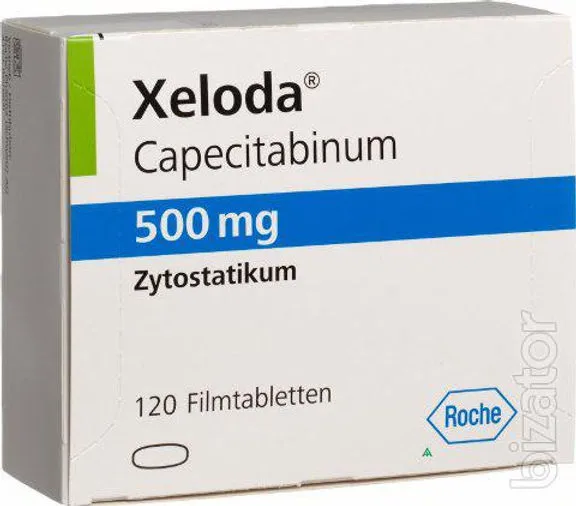 Figure 1
 Figure 2
 Figure 3
 Figure 4