
(Breast Cancer) Is Xeloda (Capecitabine) Effective in Early Triple-Negative Breast Cancer?
Medical Supporter — ประกาศข้อมูล
บทความนี้เป็นการสรุปข้อมูลทางการแพทย์ระหว่างประเทศ ไม่ใช่คำแนะนำทางการแพทย์ และไม่สามารถใช้แทนการวินิจฉัยหรือแผนการรักษาของแพทย์ผู้ดูแลของคุณได้ ข้อมูลที่นำเสนอรวบรวมจากเอกสารสาธารณะและคำชี้แจงอย่างเป็นทางการของสถาบันการแพทย์ชั้นนำของญี่ปุ่น ความเหมาะสมและผลของการรักษาแต่ละแบบแตกต่างกันไปในผู้ป่วยแต่ละราย และต้องได้รับการประเมินเป็นรายบุคคลโดยแพทย์ที่มีคุณสมบัติ
On December 5, 2019, Dr. Ana Lluch published in the Journal of Clinical Oncology results from the GEICAM/2003-11_CIBOMA/2004-01 Phase 3 clinical trial evaluating the efficacy and safety of adjuvant Xeloda (capecitabine) monotherapy after neo-/adjuvant chemotherapy in early triple-negative breast cancer (TNBC) patients.
This Phase 3 trial randomized patients with early TNBC who had completed neo-/adjuvant chemotherapy into a Xeloda group (N=448) and an observation group (N=428). The primary endpoint was disease-free survival (DFS).
The trial was motivated by the poor 3-year DFS rates in early TNBC: Stage I: 8%, Stage II: 15%, Stage III: 40%, highlighting the need for more effective treatment options beyond current standards.
Patient Demographics:
Xeloda group: Caucasian 69.9%, Latin American 23.9%, African American 3.6% Observation group: Caucasian 72.2%, Latin American 22.7%, African American 2.6%
Disease stage distribution:
- Xeloda group: Stage I 13.8% / Stage II 60.3% / Stage III 23.7%
- Observation group: Stage I 17.3% / Stage II 63.3% / Stage III 18.7%
Results at median follow-up of 7.3 years:
Compared to the observation group, the Xeloda group showed an 18% risk reduction in the primary endpoint DFS (hazard ratio: 0.82), though the difference between the two groups was not statistically significant. The 5-year DFS rates were: Xeloda group 79.6% vs. observation group 76.8%.
In subgroup analysis, the DFS hazard ratios by subtype were: non-basal type 0.53 vs. basal type 0.94, suggesting potential benefit specifically in the non-basal subtype.
Safety:
Overall adverse event incidence: Xeloda group 95.4% vs. observation group 63.8%. Grade 3 or higher adverse events: 40.6% vs. 15.5%. Serious adverse events: 5.3% vs. 1.4%.
Conclusion: Dr. Lluch concluded that adjuvant Xeloda monotherapy after neo-/adjuvant chemotherapy did not significantly improve DFS overall in early TNBC patients compared to observation. However, there is potential for improved DFS specifically in non-basal subtype early TNBC patients treated with Xeloda monotherapy.
Disclaimer: Medical Supporter translates overseas clinical trial data and pharmaceutical information for informational purposes only. Translation materials are for reference only. Please consult your healthcare provider for medical decisions.
Source: Phase III Trial of Adjuvant Capecitabine After Standard Neo-/Adjuvant Chemotherapy in Patients With Early Triple-Negative Breast Cancer (GEICAM/2003-11_CIBOMA/2004-01). Lancet Oncol. 2019 Dec 3. pii: S1470-2045(19)30735-1.
Medical Supporter was formerly certified as an international medical visa guarantor by Japan's Ministry of Foreign Affairs and the Ministry of Economy, Trade and Industry (B-066).
กำลังพิจารณาเดินทางไปรักษาที่ญี่ปุ่น? ต้องการข้อมูลและความช่วยเหลือไหม?
เราช่วยคุณจัดเตรียมข้อมูลที่จำเป็นสำหรับการเดินทางไปรักษาที่ญี่ปุ่น ติดต่อสถาบันการแพทย์ญี่ปุ่น และจัดการปรึกษาความเห็นที่สองการปรึกษาครั้งแรกฟรี ที่ปรึกษาจะช่วยให้คุณเห็นขั้นตอนต่อไปชัดเจน
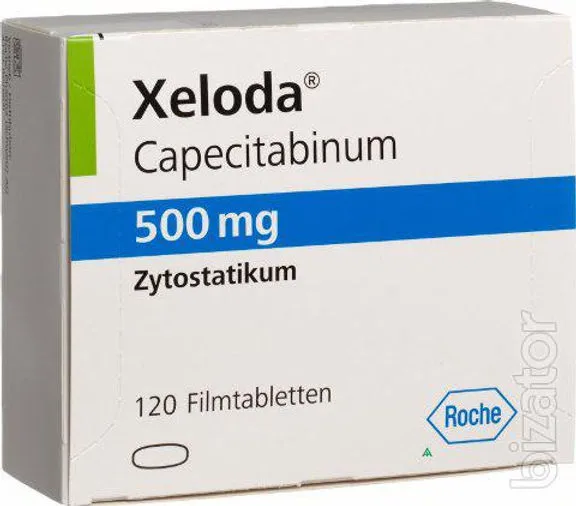 Figure 1
 Figure 2
 Figure 3
 Figure 4