Full detail content for this treatment is being translated. For a localized consultation in English, please contact our coordinators — we respond within 24 hours.
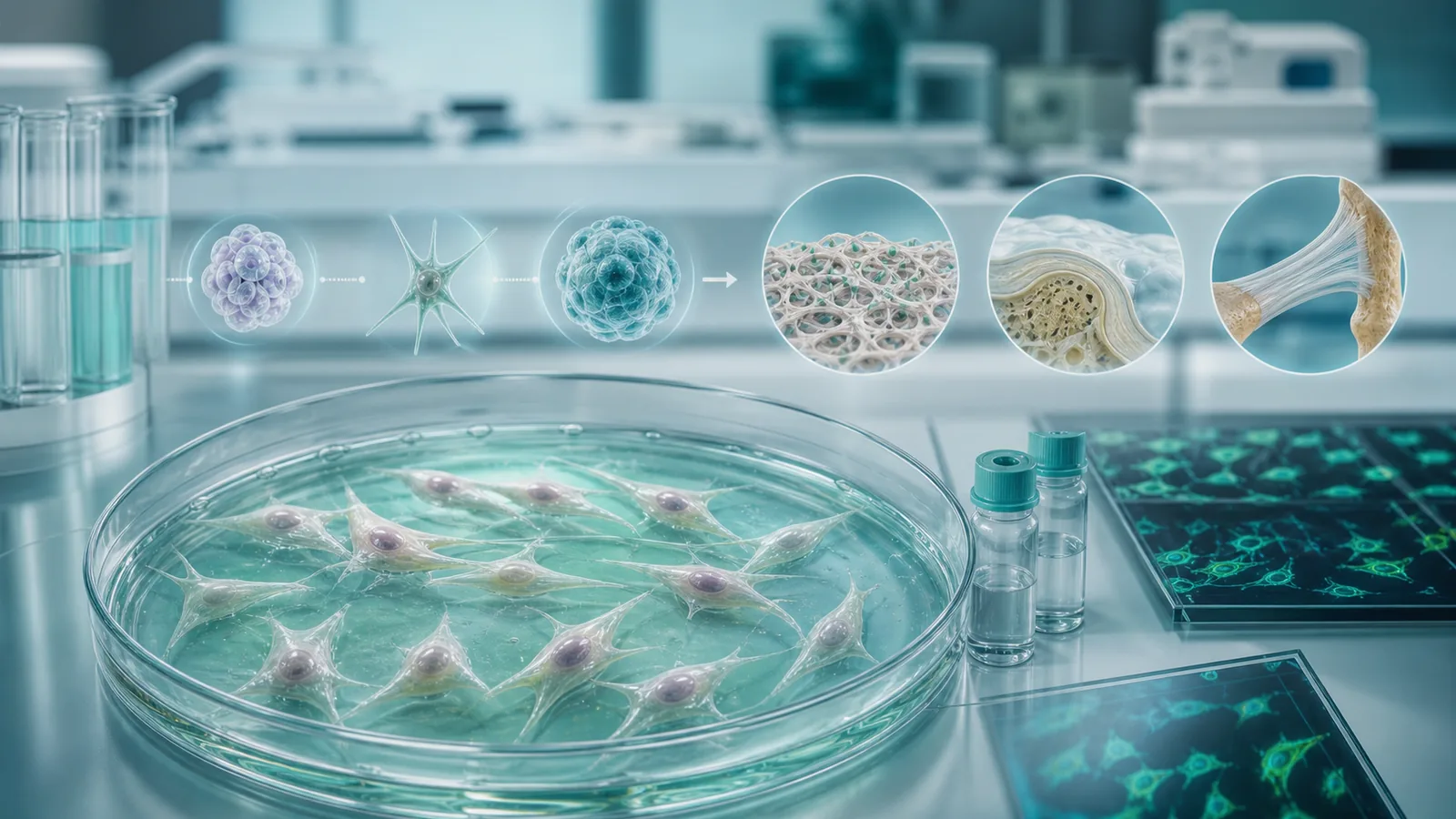
Stem Cell Regenerative Medicine
Mesenchymal Stem Cell Therapy
Regenerative medicine in Japan may be offered as self-pay care under specific regulatory procedures. Eligibility, expected benefit, risks, alternatives, and follow-up must be explained by the receiving clinic or physician.
What is stem cell therapy?
Definition of regenerative medicine
Regenerative medicine is advanced therapy that regenerates organs and tissues at the cellular level, requiring specialized knowledge, cell culture technology, and surgical skill. Stem cells are undifferentiated cells with self-replication and differentiation capabilities
Mechanism of action
Short-lived cells such as blood, skin epithelium, and gastrointestinal mucosa never run out because stem cells continuously generate new cells. Recent research has found stem cells in neural and skeletal muscle tissue previously thought non-regenerable, offering new hope for neurodegeneration and muscle disease. stem cells continuously generate new cells
HELENE Clinic Laboratory
ISO Grade 5 cleanroom cell culture environment and advanced medical equipment
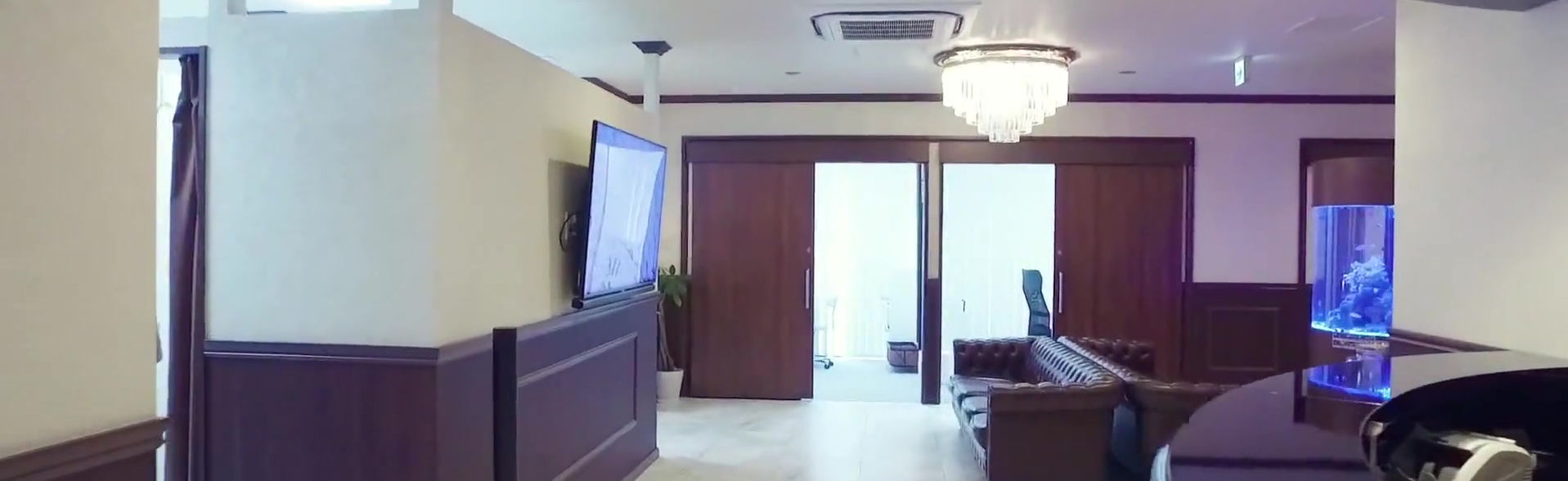
Omotesando HELENE Clinic waiting room (premium private medical environment)
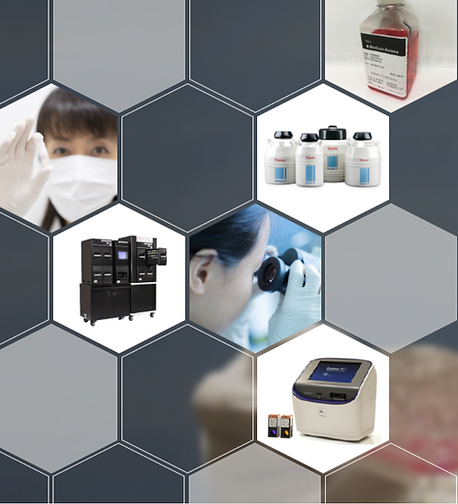
ISO Grade 5 laminar flow cell culture system (prevents cross-contamination, maintains sterility)
Conditions Require Physician Confirmation
Possible regenerative medicine use cases must be confirmed by the clinic after reviewing diagnosis, prior treatment, current condition, regulatory pathway, risks, alternatives, and follow-up requirements.
Neurological
- Cerebral infarction & contusion
- Spinal cord injury
- Multiple sclerosis
- Ischemic encephalopathy
- Parkinson's disease
- Alzheimer's disease
- ALS
- Poliomyelitis
- Peripheral neuropathic pain
Musculoskeletal
- Knee joint disorders
- Tendon injury
- Arthritis
- Non-healing fracture
- Plantar pustulosis
- Bone defect
- Osteoporosis
Cardiovascular & Metabolic
- Myocardial infarction
- Angina
- Atherosclerosis
- Peripheral vascular disease
- Diabetes
- Chronic kidney disease
Digestive & Hepatobiliary
- Hepatitis
- Cirrhosis
- Liver dysfunction
- Primary biliary disease
Respiratory & Immune
- Pulmonary fibrosis
- COPD
- Long COVID
- Rheumatoid arthritis
- Systemic lupus erythematosus
- GVHD
- Autoimmune disease
Anti-aging & Regeneration
- Skin anti-aging (collagen regeneration)
- Vascular anti-aging (endothelial repair)
- Post-cancer reconstruction (breast etc.)
- AGA (male pattern baldness)
- Atopic dermatitis
- Acne scars
Reproductive & Menopause
- Benign prostatic hyperplasia
- Erectile dysfunction
- Female menopause
- Male menopause (andropause)
4 steps, completed in 3–6 weeks
Consultation & blood test
The consultation reviews the treatment received so far, assesses whether stem-cell therapy is indicated given how the condition has progressed, and discusses the treatment plan. A blood test is also taken.
Blood draw & fat sampling
About 5–20 grams of adipose tissue is harvested from the abdomen under local anesthesia (approx. 10 minutes). Samples are sent to an MHLW-approved Cell Processing Center (CPC).
CPC cell culture
At a nationally certified CPC, mesenchymal stem cells (MSC) may be isolated from adipose tissue and expanded under clinic-specific protocols. The clinic must explain quality control, risks, and suitability.
Intravenous infusion
Cultured MSCs are infused intravenously. Follow-up visits track outcomes on a schedule agreed with the physician.
Regenerative medicine consultation center
REGENE CLINIC is one of the larger regenerative medicine centers in Japan, integrating beauty, wellness, and therapeutic services in a single facility.
Regenerative medicine facility
A regenerative medicine facility where availability, scope, and eligibility must be confirmed directly by the clinic.
Safety explanation required
Zero medical incidents since opening, in strict compliance with MHLW regenerative medicine safety regulations.
Widest range of treatable diseases
First in Japan in both treatable disease types and number of regenerative medicine licenses held.
Top medical authority
Protocols are reviewed by physicians and regenerative-medicine specialists. Suitability, risks, and visit requirements must be confirmed case by case.
Cell culture protocol review
Patients should confirm cell culture methods, quality controls, and follow-up requirements from the clinic’s physician-led explanation.
Full regenerative medicine licenses
Holds every MHLW-recognized regenerative medicine license, offering the broadest range of treatment options.
Dr. Hirokazu Yugeta, Director
Dr. Hirokazu Yugeta
Education & Career
- • Director, REGENE CLINIC
- • Specialty: Regenerative Medicine
- • Specialty: Cosmetic & Plastic Surgery
- • Specialty: Aesthetic Dermatology
- • Specialty: Hair Treatment
Treatment Philosophy
"Activating cells for anti-aging care to unlock the patient's full potential."
TCB Tokyo Central Beauty Surgery
Japan's largest cosmetic surgery chain, partnering with REGENE CLINIC for integrated regenerative and aesthetic treatments.
Safety Commitment
TCB explains treatment details, aftercare, and fee policies under its clinic workflow. Actual indications, risks, contraindications, and follow-up arrangements must still be confirmed case by case by the clinic.
Aftercare & Fee Policy
The clinic may explain aftercare, follow-up, or fee-related policies depending on the procedure. Applicability, period, conditions, and scope must be confirmed in official clinic documents and do not represent a guarantee of medical outcome.
Branches Medical Supporter can arrange
TCB Shinjuku Sanchome
〒160-0022 東京都新宿区新宿 3-1-20 メットライフ新宿スクエア 7F
TCB Roppongi
〒106-0032 東京都港区六本木 5-1-3 ゴトウビルディング 1st 8F
REGENE CLINIC
Regenerative medicine consultation center
〒160-0022 東京都新宿区新宿 3 丁目 1-20 メットライフスクエア新宿 5F
TCB Tokyo Central Beauty Surgery
Aftercare and branch coordination
Shinjuku Sanchome · Roppongi and other branches
Four common concerns — and honest answers
Specific answers depend on your medical record and your attending physician. We ensure language is not a barrier to your understanding.
Q1Will it hurt?
Pain depends on the person and the procedure. Japanese hospitals follow a complete pain-management workflow: pre-procedure assessment, intra-procedural anaesthesia, and post-procedural pain control. You can ask your attending physician about expected pain at the pre-procedure briefing — our interpreter will translate question and answer accurately.
Q2How serious are the side effects?
Side effects differ by therapy. Before you sign consent, Japanese hospitals will walk you through the possible side effects, their probability, and how they are managed. If anything is unclear, we will ask the physician to re-explain until you fully understand before signing.
Q3How long is the hospital stay?
It depends on the therapy. Day treatments require no admission; some therapies need 1–3 days of observation; surgery or particle therapy may need 1–3 weeks. Your physician will note the duration in the treatment plan, and we translate the plan for you and your family.
Q4How soon after treatment can I fly home?
Day treatments and outpatient therapies usually allow same-day or next-day flights. For therapies with hospitalisation, you typically observe for 2–3 days post-discharge, and your physician issues a fitness-to-fly note. We help you book a flexible return ticket.
This section is general guidance. Specific expectations, suitability, and timing must be determined by your attending physician in Japan based on your complete medical record.
Medical information disclaimer
The information on this page is for educational reference only and does not constitute medical advice. The suitability, side effects, and expected outcomes of any therapy must be determined by your attending physician in Japan based on your complete medical record. Medical Supporter does not replace any professional medical judgement.
Ready to begin your regenerative medicine journey?
Medical Supporter can help organize records, translate documents, contact clinics, and arrange accompaniment in Japan. Suitability for regenerative or aesthetic procedures must be assessed by the clinic with case-specific risk explanation.