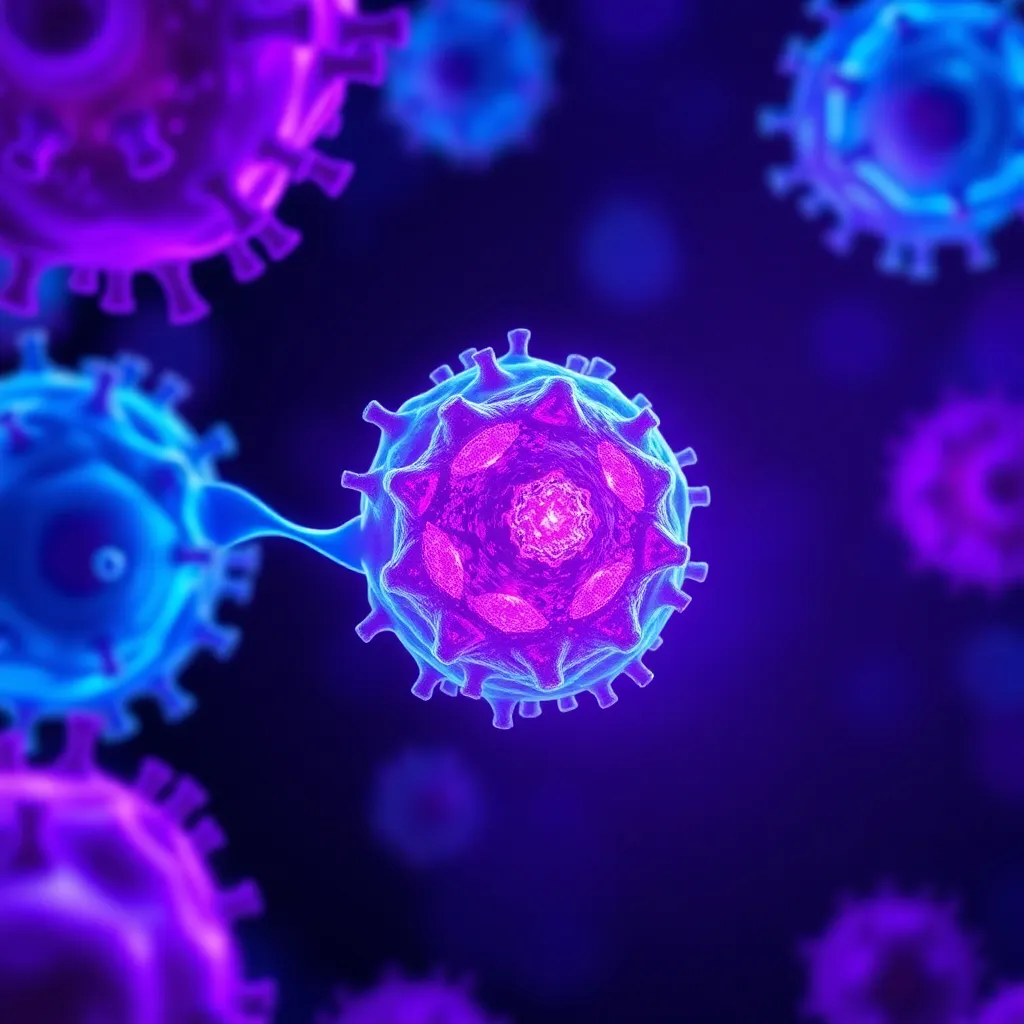
TRAIL Gene Therapy
Medical Supporter — Information Notice
This article is a summary of international medical information and is not medical advice; it cannot replace the diagnosis or treatment plan of your attending physician. The medical technologies, drug information and clinical data presented here are compiled from public literature and official statements of major Japanese medical institutions; the applicability and outcome of any therapy vary with each patient and must be assessed individually by a qualified physician.
TRAIL (Tumor Necrosis Factor-Related Apoptosis-Inducing Ligand) is a major focus in modern gene therapy research. Its uniqueness lies in its ability to "discriminate" between friends and foes, delivering a death signal exclusively to cancer cells.
Core Mechanism of TRAIL
- Selective Binding: TRAIL specifically binds to death receptors expressed on the surface of cancer cells.
- Activating Apoptosis: Once bound, it initiates an intracellular "suicide program" (apoptosis), causing the tumor cell to collapse from within.
- Zero Collateral Damage: Since healthy tissues lack the corresponding sensitization mechanisms, TRAIL remains harmless to normal cells.
The Power of Combined Therapy: 1+1>2
At Ikebukuro Cancer Clinic, physicians often recommend combining TRAIL gene therapy with the following immunotherapies:
- Activated NK Cell Therapy: Patient blood is drawn, and Natural Killer cells—the body's innate defenders—are expanded thousands of times in sterile facilities before being re-infused. While NK cells perform a broad sweep, TRAIL provides precision strikes, maximizing the overall antitumor effect.
- αβT Cells and Dendritic Cells: Helper T cells are used to prime the immune environment, while dendritic cells induce specific CTLs (Cytotoxic T Lymphocytes) for a comprehensive defense system.
Medical Institution: Ikebukuro Cancer Clinic, Tokyo
Led by a chairman with deep medical research roots, this clinic is located in the major Tokyo hub of Ikebukuro. It features certified laboratory technicians and modern sterile rooms, meeting Japan’s highest regulatory standards for cell processing and clinical implementation.
[Medical Supporter Compliance Statement] Medical Supporter was formerly certified as a medical visa guarantor by Japan's Ministry of Foreign Affairs and the Ministry of Economy, Trade and Industry (B-066).
Considering medical care in Japan? Need information and support?
We help you organize the information needed for medical travel to Japan, liaise with Japanese medical institutions, and arrange a second-opinion consultation.The first consultation is free; an advisor will help you clarify the next steps.