
Bevacizumab Plus Erlotinib in EGFR-Mutant NSCLC: Phase 2 Trial Results
Medical Supporter — Informationshinweis
Dieser Artikel ist eine Zusammenfassung internationaler medizinischer Informationen und stellt keine medizinische Beratung dar; er ersetzt nicht die Diagnose oder den Behandlungsplan Ihres behandelnden Arztes. Die dargestellten Informationen stammen aus öffentlichen Veröffentlichungen und offiziellen Angaben führender japanischer medizinischer Einrichtungen; Eignung und Wirkung einer Therapie sind individuell und müssen von einem qualifizierten Arzt beurteilt werden.
On August 8, 2019, Thomas E. Stinchcombe and colleagues published the results of a Phase 2 clinical trial in JAMA Oncology. The study investigated whether adding Bevacizumab (Avastin), an anti-VEGF antibody, to Erlotinib (Tarceva), an EGFR inhibitor, would improve outcomes for patients with advanced EGFR-mutant non-small cell lung cancer (NSCLC).
Study Design
The trial enrolled 88 patients with advanced EGFR-mutant NSCLC. Participants were randomized into two groups:
- Combination Group: Bevacizumab (15 mg/kg every 3 weeks) + Erlotinib (150 mg daily).
- Monotherapy Group: Erlotinib (150 mg daily) alone.
The primary endpoint was progression-free survival (PFS). Secondary endpoints included objective response rate (ORR) and overall survival (OS).
Key Efficacy Results
- Progression-Free Survival (PFS):
- Combination Group: 17.9 months
- Monotherapy Group: 13.5 months
- While there was a 19% reduction in the risk of progression (Hazard Ratio [HR] = 0.81), the difference was not statistically significant.
- Objective Response Rate (ORR): 81% (Combination) vs. 83% (Monotherapy).
- Overall Survival (OS):
- Combination Group: 32.4 months
- Monotherapy Group: 50.6 months
- The combination group showed a higher risk of death (HR = 1.41), though again, this was not statistically significant.
Safety Profile
The combination group experienced more Grade 3 or higher adverse events, primarily skin-related reactions (26%), hypertension (40%), and proteinuria (12%). There were no Grade 5 toxicities reported in the combination arm.
Conclusion
The authors concluded that adding Bevacizumab to Erlotinib did not significantly improve PFS or OS in patients with advanced EGFR-mutant NSCLC compared to Erlotinib alone. These findings suggest that the combination may not provide a substantial benefit over the current standard of care in this setting.
Source: JAMA Oncology - Erlotinib Plus Bevacizumab Trial Results
#LungCancer #NSCLC #EGFRMutation #Bevacizumab #Avastin #Erlotinib #Tarceva #CancerResearch
Behandlung in Japan im Blick? Brauchen Sie Informationen und Unterstützung?
Wir helfen Ihnen, die für eine medizinische Reise nach Japan nötigen Informationen zu ordnen, kontaktieren japanische Einrichtungen und organisieren eine Zweitmeinungsberatung.Die Erstberatung ist kostenlos; ein Berater hilft Ihnen, die nächsten Schritte zu klären.
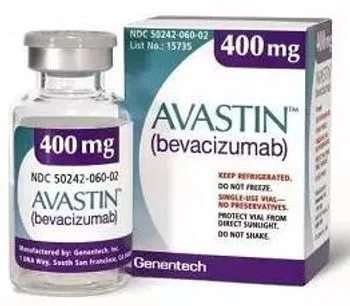 Figure 1
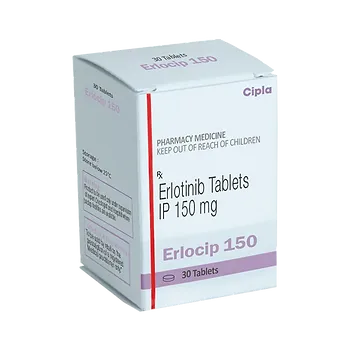 Figure 2
 Figure 3
 Figure 4
 Figure 5