
Bevacizumab Plus Erlotinib in EGFR-Mutant NSCLC: Phase 2 Trial Results
Medical Supporter — إشعار معلوماتي
هذه المقالة ملخص لمعلومات طبية دولية وليست نصيحة طبية، ولا يمكن أن تحل محل تشخيص طبيبك المعالج أو خطة العلاج. المعلومات المعروضة مجمّعة من منشورات عامة وبيانات رسمية لكبرى المؤسسات الطبية اليابانية؛ وتختلف ملاءمة ونتائج أي علاج من مريض لآخر ويجب أن يقيّمها طبيب مؤهل لكل حالة على حدة.
Medical Supporter — إشعار معلوماتي
هذه المقالة ملخص لمعلومات طبية دولية وليست نصيحة طبية، ولا يمكن أن تحل محل تشخيص طبيبك المعالج أو خطة العلاج. المعلومات المعروضة مجمّعة من منشورات عامة وبيانات رسمية لكبرى المؤسسات الطبية اليابانية؛ وتختلف ملاءمة ونتائج أي علاج من مريض لآخر ويجب أن يقيّمها طبيب مؤهل لكل حالة على حدة.
On August 8, 2019, Thomas E. Stinchcombe and colleagues published the results of a Phase 2 clinical trial in JAMA Oncology. The study investigated whether adding Bevacizumab (Avastin), an anti-VEGF antibody, to Erlotinib (Tarceva), an EGFR inhibitor, would improve outcomes for patients with advanced EGFR-mutant non-small cell lung cancer (NSCLC).
Study Design
The trial enrolled 88 patients with advanced EGFR-mutant NSCLC. Participants were randomized into two groups:
- Combination Group: Bevacizumab (15 mg/kg every 3 weeks) + Erlotinib (150 mg daily).
- Monotherapy Group: Erlotinib (150 mg daily) alone.
The primary endpoint was progression-free survival (PFS). Secondary endpoints included objective response rate (ORR) and overall survival (OS).
Key Efficacy Results
- Progression-Free Survival (PFS):
- Combination Group: 17.9 months
- Monotherapy Group: 13.5 months
- While there was a 19% reduction in the risk of progression (Hazard Ratio [HR] = 0.81), the difference was not statistically significant.
- Objective Response Rate (ORR): 81% (Combination) vs. 83% (Monotherapy).
- Overall Survival (OS):
- Combination Group: 32.4 months
- Monotherapy Group: 50.6 months
- The combination group showed a higher risk of death (HR = 1.41), though again, this was not statistically significant.
Safety Profile
The combination group experienced more Grade 3 or higher adverse events, primarily skin-related reactions (26%), hypertension (40%), and proteinuria (12%). There were no Grade 5 toxicities reported in the combination arm.
Conclusion
The authors concluded that adding Bevacizumab to Erlotinib did not significantly improve PFS or OS in patients with advanced EGFR-mutant NSCLC compared to Erlotinib alone. These findings suggest that the combination may not provide a substantial benefit over the current standard of care in this setting.
Source: JAMA Oncology - Erlotinib Plus Bevacizumab Trial Results
#LungCancer #NSCLC #EGFRMutation #Bevacizumab #Avastin #Erlotinib #Tarceva #CancerResearch
هل تفكر في تلقّي العلاج في اليابان؟ هل تحتاج إلى معلومات ومساعدة؟
نساعدك في تنظيم المعلومات اللازمة للسفر الطبي إلى اليابان، والتواصل مع المؤسسات الطبية اليابانية، وترتيب استشارة رأي ثانٍ.الاستشارة الأولى مجانية؛ سيساعدك المستشار على توضيح الخطوات التالية.
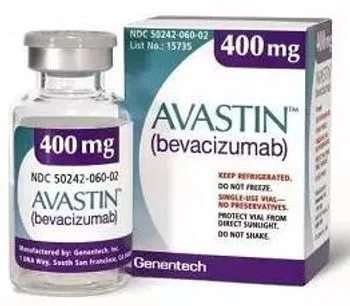 Figure 1
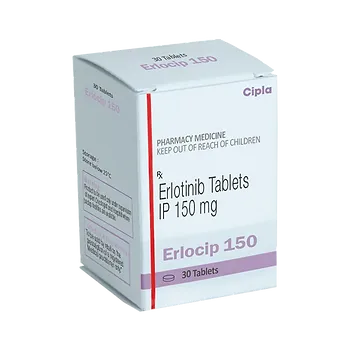 Figure 2
 Figure 3
 Figure 4
 Figure 5