يُعرض باللغة الإنجليزية — الترجمة العربية قيد الإعداد
blog
آخر تحديث: 2020-01-31

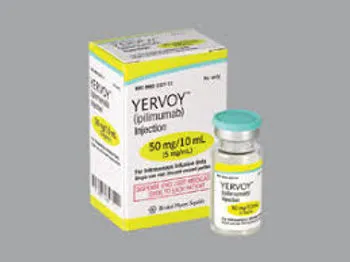
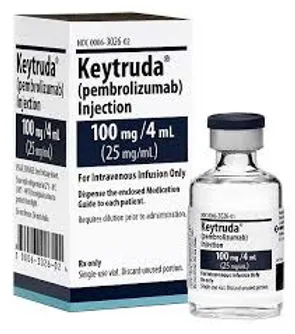
(Melanoma) What Are the Comparison Results of Keytruda vs. Yervoy?

S
فريق Medical Supporter
فريق تنسيق طبي دولي ومراجعة تحريرية
(Melanoma) What Are the Comparison Results of Keytruda vs. Yervoy?

(Melanoma) What Are the Comparison Results of Keytruda vs. Yervoy?

Medical Supporter — إشعار معلوماتي

هذه المقالة ملخص لمعلومات طبية دولية وليست نصيحة طبية، ولا يمكن أن تحل محل تشخيص طبيبك المعالج أو خطة العلاج. المعلومات المعروضة مجمّعة من منشورات عامة وبيانات رسمية لكبرى المؤسسات الطبية اليابانية؛ وتختلف ملاءمة ونتائج أي علاج من مريض لآخر ويجب أن يقيّمها طبيب مؤهل لكل حالة على حدة.

يجب أن يقيّم أي خطة علاج محددة طبيب مرخّص في اليابان
  • September 25, 2019
  • Read time: 2 minutes

On July 22, 2019, Caroline Robert published in The Lancet "Comparative efficacy and safety of anti-PD-1 antibody Keytruda versus anti-CTLA-4 antibody Yervoy in melanoma patients in the KEYNOTE-006 Phase 3 clinical trial (5-year long-term follow-up analysis)."

The KEYNOTE-006 trial was a multinational, multicenter Phase 3 clinical trial using 1:1:1 randomization. Primary endpoints were progression-free survival and overall survival; secondary endpoint was objective response rate.

  • Keytruda group (2-week cycle, Keytruda 10 mg/kg, N=279)
  • Keytruda group (3-week cycle, Keytruda 10 mg/kg, N=277)
  • Yervoy group (3-week cycle, Yervoy 3 mg/kg, N=278)

Results at a median follow-up of 57.7 months showed that the primary endpoint median progression-free survival was: Keytruda group 8.4 months / Yervoy group 3.4 months. The Keytruda group showed a 43% reduction in progression risk, with significant improvement and a hazard ratio of 0.57.

The other primary endpoint, median overall survival, was: Keytruda group 32.7 months / Yervoy group 15.9 months. The Keytruda group showed a 27% reduction in progression risk, with significant improvement and a hazard ratio of 0.73.

Regarding safety, the incidence of Grade 3–4 adverse events was: Keytruda group 17% (N=96) / Yervoy group 20% (N=50). Serious adverse event incidence was: Keytruda group 14% (N=75) / Yervoy group 18% (N=45). The most common Grade 3–4 adverse events included colitis (Keytruda 2% / Yervoy 6%), diarrhea (Keytruda 2% / Yervoy 3%), and fatigue (Keytruda <1% / Yervoy 1%).

Based on the KEYNOTE-006 trial's 5-year follow-up results, Caroline Robert concluded: In melanoma patients, anti-PD-1 antibody Keytruda monotherapy demonstrated significant improvement in 5-year progression-free survival and 5-year overall survival compared to Yervoy monotherapy.

[Important Note] Medical Supporter's translations of overseas clinical trial data and pharmaceutical information are not intended to encourage participation in clinical trials or use of new drugs. The translated information is for reference only and not intended as medication guidelines. Please discuss with healthcare professionals and refer to the original text below the article for accurate information.

Source: Pembrolizumab versus ipilimumab in advanced melanoma (KEYNOTE-006): post-hoc 5-year results from an open-label, multicentre, randomised, controlled, phase 3 study. (Lancet Oncol. 2019 Jul 22. pii: S1470-2045(19)30388-2. doi: 10.1016/S1470-2045(19)30388-2.)

Medical Supporter was formerly certified as an international medical visa guarantor by Japan's Ministry of Foreign Affairs and the Ministry of Economy, Trade and Industry (B-066).

هل تفكر في تلقّي العلاج في اليابان؟ هل تحتاج إلى معلومات ومساعدة؟

نساعدك في تنظيم المعلومات اللازمة للسفر الطبي إلى اليابان، والتواصل مع المؤسسات الطبية اليابانية، وترتيب استشارة رأي ثانٍ.الاستشارة الأولى مجانية؛ سيساعدك المستشار على توضيح الخطوات التالية.

المقر الرئيسي في فوكوكا: +81-92-409-5655
حاصل سابقًا على اعتماد رسمي، رقم B-066

Figure 1Figure 1

Figure 2Figure 2

Figure 3Figure 3

Figure 4Figure 4

Figure 5Figure 5

Related Cancer Information

قراءة ذات صلة