blog
Dernière mise à jour: 2017-02-07

(Cancer) La récidive n'est pas synonyme de fin de vie

S
Équipe Medical Supporter
Équipe de coordination médicale internationale et de révision éditoriale
(Cancer) La récidive n'est pas synonyme de fin de vie

(Cancer) Recurrence Does Not Mean Terminal Stage — Don't Miss the Golden Treatment Window

Medical Supporter — Avis d’information

Cet article est une synthèse d’informations médicales internationales et ne constitue pas un avis médical ; il ne remplace pas le diagnostic ni le plan de traitement de votre médecin traitant. Les informations présentées sont compilées à partir de publications publiques et de déclarations officielles d’établissements médicaux japonais ; l’adéquation et les résultats de toute thérapie varient selon chaque patient et doivent être évalués individuellement par un médecin qualifié.

Tout plan de traitement précis doit être évalué par un médecin agréé au Japon
  • March 17, 2020
  • 2 min read

Updated: March 23, 2020

"Even patients with advanced or recurrent/metastatic cancer should never lose hope!" With advances in medical technology, some cancer patients survive 5 or even 10 years. The most important thing is to find ways to maintain good physical and mental health and continue receiving treatment.

More than 90% of cancer deaths result from recurrence or metastasis. For cancers such as breast cancer and cervical cancer, when detected early, survival rates can reach 90%. "Stages 1 through 3 of breast cancer all offer opportunities for improvement. Even at Stage 4, the 5-year survival rate can reach 30–40%. Cancer patients should understand the type and characteristics of their cancer, and should not avoid standard treatment or seek unproven remedies out of despair—doing so only delays treatment and increases mortality."

Cancer Recurrence Can Still Be Cured — This Emotional Response Can Increase Mortality by 30%

"Sometimes cancer patients feel a lump and immediately fear recurrence—but this is not necessarily the case. Furthermore, if recurrence does occur, it is important to confirm whether it is metastatic or localized. Don't panic—some localized recurrences can be treated successfully. Depression in cancer patients, if left untreated, affects treatment outcomes. Research shows that cancer patients with depressive symptoms have a 30% higher mortality rate compared to those with minimal symptoms."

With advances in medicine, cancer recurrence and metastasis do not equate to terminal illness. All of the top 10 cancer types have targeted therapies. The treatment options for recurrent/metastatic disease extend far beyond chemotherapy alone. Take breast cancer—the most common female cancer—as an example: since last year, HER2-negative breast cancer patients also have access to targeted therapy. The introduction of oral CDK4/6 inhibitors not only extends progression-free survival by 24.8 months for metastatic breast cancer patients but also substantially delays pain deterioration, representing a complete therapeutic coverage across all breast cancer subtypes.

The fear and shock of recurrence/metastasis is far more intense than at initial diagnosis. Concerns about chemotherapy side effects—nausea, hair loss, pain, and weakness—can lead to treatment delays and refusal. "But for breast cancer today, for example, patients rarely vomit during treatment as they once did. Side effects like mouth sores and ulcers, which were common before, are now largely preventable. Treatment today can be completed while largely maintaining normal daily life. Severely refusing or abandoning standard treatment in favor of folk remedies, traditional medicine, or unverified supplements will only accelerate disease progression."

Understanding your cancer type through imaging, tumor biopsy, and genetic testing, and consulting your attending physician for appropriate treatment, is the best approach to facing cancer.


Electric Field Cancer Therapy (ECCT) — Cancer Adjuvant Treatment in Japan

ECCT is generally ineffective on normal cells because tumor cells have different electrical properties (conductivity and permittivity) than normal cells. Tumor cells have relatively higher electrical properties and are therefore more sensitive to external electric fields. ECCT side effects are minimal compared to chemotherapy, with no major adverse events reported.

Treatment duration is determined by the physician based on clinical observation and ongoing assessment.

A diet sufficient in albumin, vitamin C, flavonoids, and olive oil is recommended to support normal immune system function.

ECCT technology was developed by Professor Warsito P. Taruno and the CTech Laboratory team of Edward Technology (Indonesian Patent No. REGP00201200092, 2012).

Related Articles:

  • (Electric Field Therapy) A High-Tech New Option for Fighting Cancer?
  • (Electric Field Therapy) A New Weapon to Stop Cancer Metastasis?
  • (Electric Field Therapy) Cancer Adjuvant Treatment Available at Home
  • Cancer Care

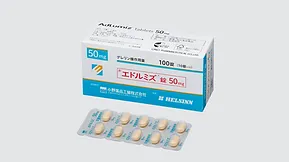
    • (NSCLC, Gastric, Pancreatic, Colorectal Cancer) ADLUMIZ: Japan's First Drug to Improve Cancer Cachexia Symptoms
    • TearExo: Detect Breast Cancer From a Single Tear — Results in as Little as 10 Minutes
    • (Cancer Care) Understanding Colorectal Cancer

Medical Supporter was formerly certified as an international medical visa guarantor by Japan's Ministry of Foreign Affairs and the Ministry of Economy, Trade and Industry (B-066).

Vous envisagez des soins au Japon ? Besoin d’informations et d’aide ?

Nous vous aidons à rassembler les informations nécessaires pour un déplacement médical au Japon, à contacter les établissements japonais et à organiser une consultation de second avis.La première consultation est gratuite ; un conseiller vous aide à clarifier les prochaines étapes.

Siège de Fukuoka : +81-92-984-3200
Anciennement certifié officiellement, n° B-066

Figure 1Figure 1

Figure 2Figure 2

Lectures complémentaires