medical-blog
Last updated: 2021-01-16

(Lung Cancer Precision Medicine) Crizotinib (Xalkori) for MET Exon 14 Skipping Mutation: Clinical Evidence

S
Medical Supporter Team
Cross-border medical coordination and editorial review team
(Lung Cancer Precision Medicine) Crizotinib (Xalkori) for MET Exon 14 Skipping Mutation: Clinical Evidence

(Lung Cancer Precision Medicine) Crizotinib (Xalkori) for MET Exon 14 Skipping Mutation: Clinical Evidence

Medical Supporter — Information Notice

This article is a summary of international medical information and is not medical advice; it cannot replace the diagnosis or treatment plan of your attending physician. The medical technologies, drug information and clinical data presented here are compiled from public literature and official statements of major Japanese medical institutions; the applicability and outcome of any therapy vary with each patient and must be assessed individually by a qualified physician.

Any specific treatment plan must be assessed by a licensed physician in Japan

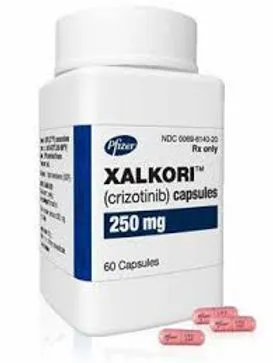
In lung cancer precision medicine, crizotinib (brand name: Xalkori) is well known for its pioneering contributions targeting ALK and ROS1. However, the latest research (published in Nature Medicine) confirms that this multi-target inhibitor also demonstrates significant therapeutic value in patients with MET exon 14 skipping mutations.

1. Clinical Research Data: Response Rate and Survival

This study evaluated crizotinib monotherapy in 69 patients with advanced non-small cell lung cancer (NSCLC) harboring MET exon 14 mutations.

Key Clinical Indicators:

  • Objective Response Rate (ORR): 32%, demonstrating effective tumor reduction.
  • Duration of Response (DoR): Median of 9.1 months.
  • Survival Data: Median overall survival (OS) reached 20.5 months, with a 12-month survival rate of 70%. These results hold high clinical reference value for this typically older patient population prone to relapse.

2. Safety and Tolerability

The adverse event profile of crizotinib has been well characterized through clinical use:

  • Common reactions: Visual disturbances (e.g., flashing lights), nausea, diarrhea, and edema.
  • Patient management: Japanese medical teams have extensive experience managing long-term crizotinib therapy, effectively preventing complications while maintaining patients' quality of life.

3. Screening Strategy for Rare Mutations

Although newer highly selective MET inhibitors are now available, crizotinib's rich clinical history and multi-target properties make it an indispensable tool in clinical practice. Leading Japanese lung cancer centers emphasize comprehensive NGS screening to ensure no targetable pathway is missed.

Medical Supporter — Your Cancer Treatment Decision Partner Treatment pathways for rare mutations are often challenging. If you or a family member has been found to have a MET exon 14 mutation through genetic testing, the Medical Supporter team can help arrange consultations with Japanese specialists to evaluate the optimal timing for crizotinib or other newer MET inhibitors, securing the best possible treatment pathway.

Medical Supporter was formerly certified as an international medical visa guarantor by Japan's Ministry of Foreign Affairs and the Ministry of Economy, Trade and Industry (B-066).

Considering medical care in Japan? Need information and support?

We help you organize the information needed for medical travel to Japan, liaise with Japanese medical institutions, and arrange a second-opinion consultation.The first consultation is free; an advisor will help you clarify the next steps.

Fukuoka HQ: +81-92-984-3200
Formerly officially certified, No. B-066

Figure 1Figure 1

Figure 2Figure 2

Figure 3Figure 3

Figure 4Figure 4

Related Cancer Information

Related Reading