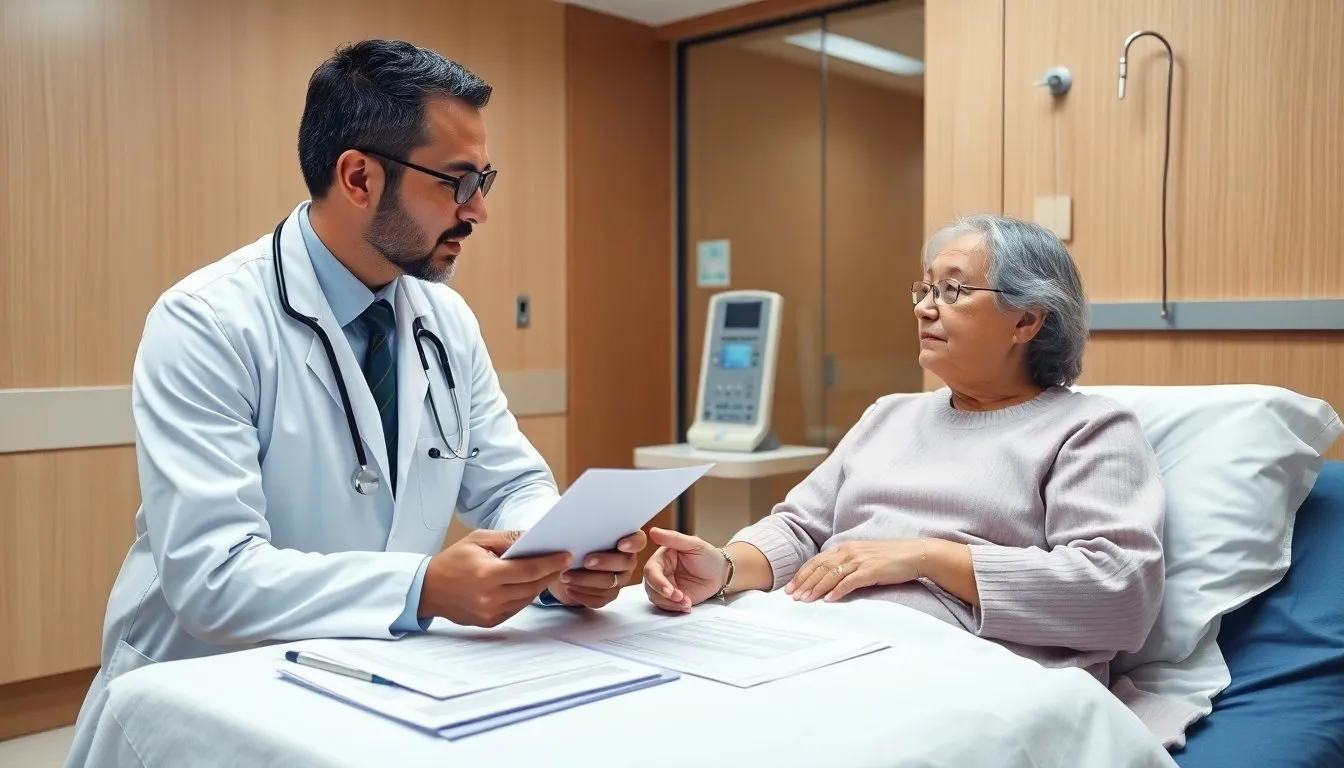
Cancer Vaccines and Immunotherapy for Pancreatic Cancer in Japan
Medical Supporter — Informationshinweis
Dieser Artikel ist eine Zusammenfassung internationaler medizinischer Informationen und stellt keine medizinische Beratung dar; er ersetzt nicht die Diagnose oder den Behandlungsplan Ihres behandelnden Arztes. Die dargestellten Informationen stammen aus öffentlichen Veröffentlichungen und offiziellen Angaben führender japanischer medizinischer Einrichtungen; Eignung und Wirkung einer Therapie sind individuell und müssen von einem qualifizierten Arzt beurteilt werden.
Pancreatic cancer is often referred to as the "king of cancers" due to its aggressive nature and the difficulty of early detection. While standard treatments like surgery and chemotherapy remain foundational, Japan has emerged as a global hub for the development of cutting-edge cancer vaccines and personalized immunotherapy.
1. How Therapeutic Cancer Vaccines Work
Unlike traditional vaccines that prevent infection, therapeutic cancer vaccines aim to treat existing disease. Common types include:
- Dendritic Cell (DC) Vaccines: Dendritic cells are "messenger" cells of the immune system. They are harvested from the patient, "trained" in a laboratory to recognize specific tumor antigens, and then re-infused to trigger a targeted immune response.
- Peptide Vaccines: These use small fragments of proteins (peptides) found specifically on cancer cells to stimulate the patient's T-cells to attack the tumor.
2. Leading Research at Kanagawa Cancer Center (KCCH)
The Kanagawa Cancer Center is a premier institution in Japan actively conducting clinical research on immunotherapy for refractory cancers.
Key Research Focus:
- Combining Immunotherapy with Chemotherapy: Researchers are exploring how vaccines can work synergistically with modern chemotherapy to shrink tumors, potentially making inoperable cases eligible for surgery.
- Treating Chemo-Refractory Cases: Clinical trials often focus on patients for whom standard first-line therapies have failed, seeking to provide a "second wind" for the immune system.
3. Why Choose Japan for Immunotherapy?
Japan’s medical landscape is uniquely supportive of regenerative and cell-based medicine:
- Safety and Regulation: The "Act on the Safety of Regenerative Medicine" provides a strict national framework for cell cultivation and clinical application, ensuring high safety standards.
- CPC Standards: All cell therapies must be processed in certified Cell Processing Centers (CPC) that meet rigorous quality controls.
- Evidence-Based Integration: Japanese oncologists specialize in integrating these novel therapies with standard care to achieve the best possible outcomes for individual patients.
Medical Supporter: Professional Consulting and Referral
Treating pancreatic cancer is a race against time. If standard options are limited, Medical Supporter can help you explore the latest clinical recruitment information in Japan and facilitate second opinions with leading specialists.
#PancreaticCancer #CancerVaccine #DendriticCell #Immunotherapy #JapanMedicine #CancerResearch #PersonalizedMedicine
Behandlung in Japan im Blick? Brauchen Sie Informationen und Unterstützung?
Wir helfen Ihnen, die für eine medizinische Reise nach Japan nötigen Informationen zu ordnen, kontaktieren japanische Einrichtungen und organisieren eine Zweitmeinungsberatung.Die Erstberatung ist kostenlos; ein Berater hilft Ihnen, die nächsten Schritte zu klären.
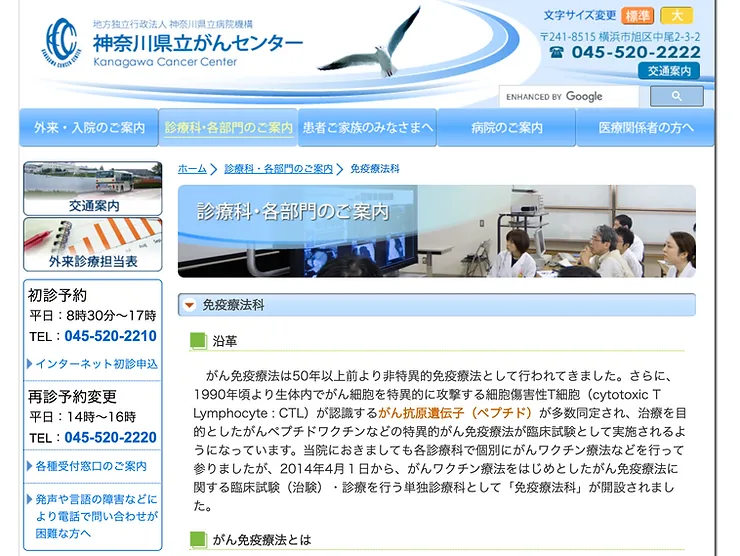 Figure 1
 Figure 2
 Figure 3
 Figure 4