
TIGIT Checkpoint: Overcoming PD-1 Resistance in Advanced Lung Cancer
Medical Supporter — إشعار معلوماتي
هذه المقالة ملخص لمعلومات طبية دولية وليست نصيحة طبية، ولا يمكن أن تحل محل تشخيص طبيبك المعالج أو خطة العلاج. المعلومات المعروضة مجمّعة من منشورات عامة وبيانات رسمية لكبرى المؤسسات الطبية اليابانية؛ وتختلف ملاءمة ونتائج أي علاج من مريض لآخر ويجب أن يقيّمها طبيب مؤهل لكل حالة على حدة.
Clinical Context: The PD-1 Resistance Challenge
Despite the remarkable clinical success of PD-1/PD-L1 inhibitors in non-small cell lung cancer (NSCLC) immunotherapy, a significant proportion of patients demonstrate limited therapeutic benefit or primary resistance. Contemporary research efforts focus on identifying complementary immune checkpoint targets to overcome this limitation. TIGIT (T-cell immunoreceptor with Ig and ITIM domains) has emerged as one of the most promising therapeutic targets in this context, with clinical validation provided by the ARC-7 Phase II trial demonstrating the efficacy of Domvanalimab-based combination regimens.
ARC-7 Phase II Trial: Dual Immune Checkpoint Blockade
This randomized, open-label Phase II clinical trial specifically enrolled treatment-naïve patients with PD-L1 high-expressing tumors (tumor proportion score ≥50%) without actionable driver mutations, comparing monotherapy versus combination approaches.
Key Clinical Findings:
Objective Response Rate (ORR) Enhancement: Patients receiving the combination of anti-TIGIT antibody Domvanalimab plus anti-PD-1 antibody Zimberelimab demonstrated superior tumor response rates compared to single-agent PD-1 inhibitor therapy alone.
Progression-Free Survival (PFS) Improvement: The dual immune checkpoint inhibition regimen, and particularly triple-combination approaches incorporating etrumadenant, demonstrated prolonged disease control and delayed disease progression compared to monotherapy.
Mechanistic Synergy: TIGIT and PD-1 represent distinct inhibitory signaling pathways within the immune system. Simultaneous blockade of both checkpoints produces synergistic immune activation, restoring effector function in exhausted T-cell populations through complementary mechanisms.
Safety and Tolerability Profile
Interim trial analysis demonstrated that the adverse event profile of Domvanalimab combination therapy was consistent with prior immunotherapy experience, with no unexpected or grade 4-5 toxicities observed. The safety data support the clinical feasibility of this dual-checkpoint approach.
TIGIT as a Next-Generation Immunotherapy Target
TIGIT protein is broadly expressed on both natural killer (NK) cells and T lymphocytes. Selective TIGIT blockade enhances endogenous anti-tumor immunity through direct activation of inhibited immune effector cells. Leading Japanese medical institutions are actively participating in multiple global clinical trials evaluating TIGIT-directed therapeutics, providing patients access to cutting-edge multi-targeted immunotherapy strategies.
Medical Consultation and Clinical Trial Access
Medical Supporter maintains real-time integration with the latest immunotherapy research developments. Our clinical consultation team can provide detailed information regarding Japanese institutional experience with TIGIT-targeted therapeutics and other novel immune combination approaches, with coordination of expert specialist consultation to ensure patients do not miss any potential therapeutic advancement opportunities.
Medical Supporter was formerly certified as an international medical visa guarantor by Japan's Ministry of Foreign Affairs and the Ministry of Economy, Trade and Industry (B-066).
هل تفكر في تلقّي العلاج في اليابان؟ هل تحتاج إلى معلومات ومساعدة؟
نساعدك في تنظيم المعلومات اللازمة للسفر الطبي إلى اليابان، والتواصل مع المؤسسات الطبية اليابانية، وترتيب استشارة رأي ثانٍ.الاستشارة الأولى مجانية؛ سيساعدك المستشار على توضيح الخطوات التالية.
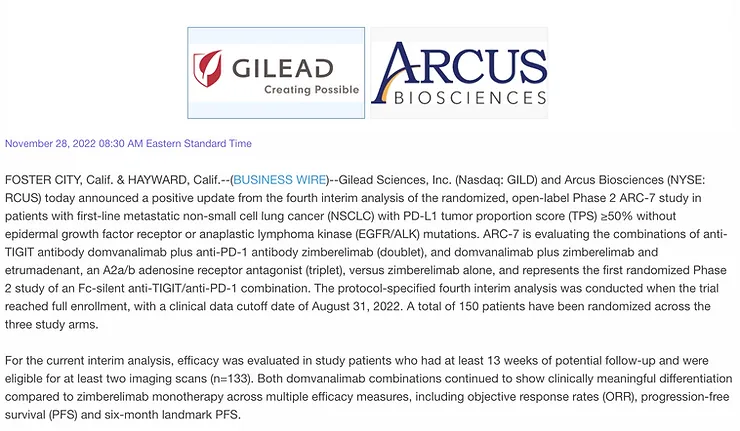 Figure 1
 Figure 2
 Figure 3
 Figure 4