
Effectiveness of Adjuvant Kadcyla (T-DM1) in HER2-Positive Breast Cancer
Medical Supporter — إشعار معلوماتي
هذه المقالة ملخص لمعلومات طبية دولية وليست نصيحة طبية، ولا يمكن أن تحل محل تشخيص طبيبك المعالج أو خطة العلاج. المعلومات المعروضة مجمّعة من منشورات عامة وبيانات رسمية لكبرى المؤسسات الطبية اليابانية؛ وتختلف ملاءمة ونتائج أي علاج من مريض لآخر ويجب أن يقيّمها طبيب مؤهل لكل حالة على حدة.
Medical Supporter — إشعار معلوماتي
هذه المقالة ملخص لمعلومات طبية دولية وليست نصيحة طبية، ولا يمكن أن تحل محل تشخيص طبيبك المعالج أو خطة العلاج. المعلومات المعروضة مجمّعة من منشورات عامة وبيانات رسمية لكبرى المؤسسات الطبية اليابانية؛ وتختلف ملاءمة ونتائج أي علاج من مريض لآخر ويجب أن يقيّمها طبيب مؤهل لكل حالة على حدة.
On February 14, 2019, The New England Journal of Medicine published the results of the KATHERINE Phase 3 clinical trial, evaluating the efficacy and safety of Kadcyla (Trastuzumab emtansine, T-DM1) as an adjuvant therapy for patients with HER2-positive early breast cancer.
Study Design: KATHERINE Trial
This trial focused on patients with HER2-positive invasive breast cancer who had residual invasive disease in the breast or axillary lymph nodes after receiving neoadjuvant (pre-operative) therapy containing Trastuzumab (Herceptin) with or without a taxane.
Participants were randomized to receive either:
- Kadcyla (T-DM1)
- Trastuzumab (Herceptin)
The primary endpoint was invasive disease-free survival (iDFS), which includes recurrence of invasive breast cancer (ipsilateral or contralateral), distant recurrence, or death from any cause.
Key Results
The statistical results showed a significant breakthrough for patients receiving Kadcyla:
- Risk Reduction: Patients treated with adjuvant Kadcyla had a 50% lower risk of recurrence of invasive disease or death compared to those who received Trastuzumab (Hazard Ratio = 0.50).
- iDFS Rate: At 3 years, the percentage of patients who were free of invasive disease was 88.3% in the Kadcyla group vs. 77.0% in the Trastuzumab group.
Safety Profile
The most common adverse events associated with Kadcyla in this setting included thrombocytopenia (low platelet count), increased liver enzyme levels, and hypertension. Most side effects were manageable through dose adjustments or standard medical care.
Conclusion
The KATHERINE trial established Kadcyla as the new standard of care for adjuvant treatment in HER2-positive early breast cancer patients who do not achieve a pathological complete response (pCR) after neoadjuvant therapy.
Source: The New England Journal of Medicine - KATHERINE Trial Results
#BreastCancer #HER2Positive #Kadcyla #TDM1 #CancerResearch #AdjuvantTherapy
هل تفكر في تلقّي العلاج في اليابان؟ هل تحتاج إلى معلومات ومساعدة؟
نساعدك في تنظيم المعلومات اللازمة للسفر الطبي إلى اليابان، والتواصل مع المؤسسات الطبية اليابانية، وترتيب استشارة رأي ثانٍ.الاستشارة الأولى مجانية؛ سيساعدك المستشار على توضيح الخطوات التالية.
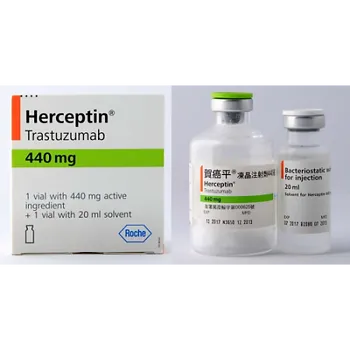 Figure 1
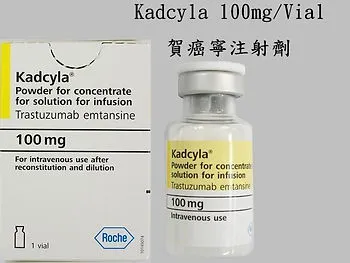 Figure 2
 Figure 3
 Figure 4
 Figure 5