
Differences Between Keytruda and Opdivo
Medical Supporter — Thông báo thông tin
Bài viết này là bản tổng hợp thông tin y tế quốc tế, không phải lời khuyên y tế và không thể thay thế chẩn đoán hay phác đồ điều trị của bác sĩ điều trị của bạn. Thông tin được biên soạn từ tài liệu công khai và công bố chính thức của các cơ sở y tế hàng đầu Nhật Bản; tính phù hợp và kết quả của mỗi liệu pháp khác nhau ở từng bệnh nhân và phải được bác sĩ có chuyên môn đánh giá riêng.
- August 3, 2017
- Read time: 2 minutes
Among immune checkpoint drugs, the two most widely known are Ono Pharmaceutical's Nivolumab (Opdivo) and Merck's Pembrolizumab (Keytruda). Both are immune checkpoint inhibitors known as anti-PD-1 antibodies. In Japan, these drugs were once described as having a significant impact on the national budget. Based on previous drug pricing, continuous administration for one year would cost approximately 30–35 million yen per patient. This pricing strategy substantially increases pharmaceutical company revenues, though in Japan it also leads to proportionally higher corporate taxes. In 2016, Ono Pharmaceutical's revenue reached nearly 100 billion yen, with correspondingly high corporate taxes paid. For reference, Japanese pharmaceutical companies faced a tax rate of approximately 38% in 2008.
http://www.jpma.or.jp/about/issue/gratis/newsletter/archive_until2014/pdf/2010_139_13.pdf
Since this article is about Keytruda and Opdivo, let us discuss the differences between the two drugs. For non-small cell lung cancer patients, Opdivo is a second-line therapy, while Keytruda is a first-line therapy. There is an argument that second-line drugs typically have a longer treatment period and a larger patient population, giving Opdivo better revenue potential. Although both drugs target the anti-PD-1 antibody, evidence is still needed. In a clinical trial comparing Opdivo and Keytruda as first-line treatments for non-small cell lung cancer, Opdivo failed to demonstrate superiority over other therapies, while Keytruda successfully proved its efficacy.
According to data published by Merck, Keytruda comes in two doses: 20 mg and 100 mg. For adults, the dosing regimen is 2 mg/kg intravenously every 3 weeks.
Common side effects include fatigue and rash.
Japan-listed drug prices:
- Keytruda 20 mg: ¥84,488
- Keytruda 100 mg: ¥410,541
For additional reference, Professor Yamamoto of the Third Department of Internal Medicine, Wakayama Medical University, noted in Nikkei Medical that not all Keytruda treatments are superior and that more data analysis is needed before drawing conclusions.
Note: CheckMate-026 reported that Opdivo could not confirm superiority over other drug treatments. KEYNOTE-024 showed that Keytruda was relatively effective as a first-line drug.
References:
- Pembrolizumab versus Chemotherapy for PD-L1–Positive Non–Small-Cell Lung Cancer
- Safety and clinical activity of pembrolizumab for treatment of recurrent or metastatic squamous cell carcinoma of the head and neck (KEYNOTE-012): an open-label, multicentre, phase 1b trial
- Pembrolizumab for the Treatment of Non–Small-Cell Lung Cancer
- Pembrolizumab versus Ipilimumab in Advanced Melanoma
Medical Supporter was formerly certified as an international medical visa guarantor by Japan's Ministry of Foreign Affairs and the Ministry of Economy, Trade and Industry (B-066).
Đang cân nhắc sang Nhật Bản điều trị? Cần thông tin và hỗ trợ?
Chúng tôi giúp bạn sắp xếp thông tin cần thiết để sang Nhật điều trị, liên hệ các cơ sở y tế Nhật Bản và sắp xếp tư vấn ý kiến thứ hai.Buổi tư vấn đầu tiên miễn phí; chuyên viên sẽ giúp bạn làm rõ các bước tiếp theo.
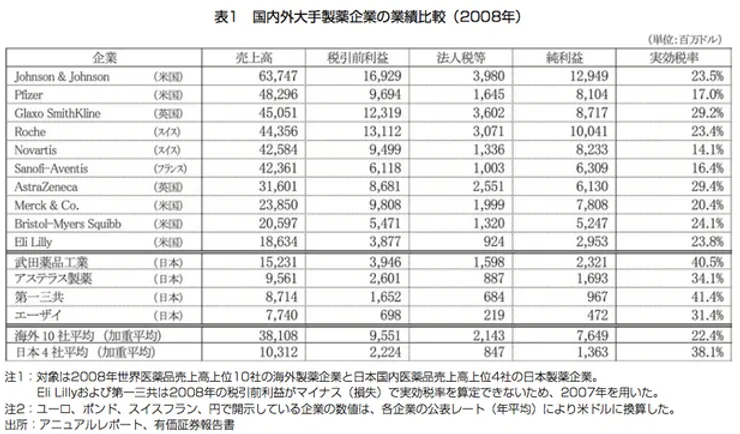 Figure 1
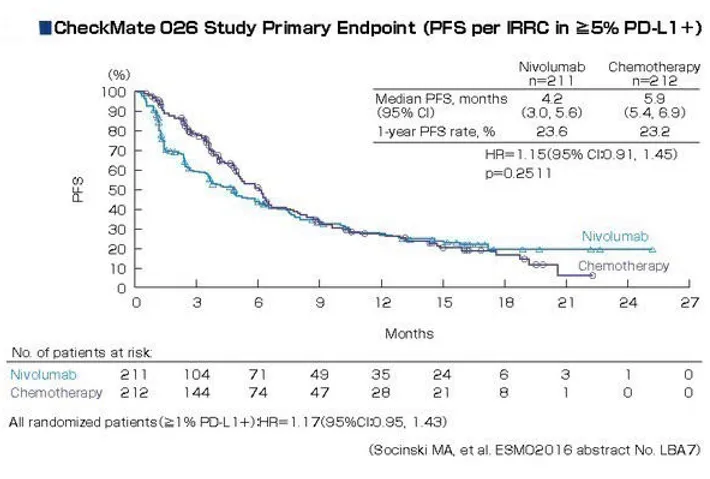 Figure 2
 Figure 3
 Figure 4
 Figure 5