
Bayer Pharmaceutical Press Release: Nexavar Approved for Medullary Thyroid Cancer in Japan
Medical Supporter — Thông báo thông tin
Bài viết này là bản tổng hợp thông tin y tế quốc tế, không phải lời khuyên y tế và không thể thay thế chẩn đoán hay phác đồ điều trị của bác sĩ điều trị của bạn. Thông tin được biên soạn từ tài liệu công khai và công bố chính thức của các cơ sở y tế hàng đầu Nhật Bản; tính phù hợp và kết quả của mỗi liệu pháp khác nhau ở từng bệnh nhân và phải được bác sĩ có chuyên môn đánh giá riêng.
- March 2, 2016
- 1 min read
On February 29, Bayer Pharmaceutical received regulatory approval in Japan for Nexavar (sorafenib) for the treatment of medullary thyroid cancer. Approximately 29,000 thyroid cancer patients exist in Japan, of whom approximately 5% have medullary thyroid cancer.
Nexavar targets multiple kinases including VEGFR-1, VEGFR-2, VEGFR-3, and PDGFR-B. It had previously received approval in Japan for renal cell carcinoma in January 2008 and for unresectable hepatocellular carcinoma in May 2009. This latest approval for medullary thyroid cancer further broadens the indications for this multikinase inhibitor.
For the full press release, please refer to the following link: http://byl.bayer.co.jp/html/press_release/2016/news2016-02-29.pdf
Thyroid Cancer
-
Clinical Trial Medications
- (Lung Cancer) Phase II results for Topotecan and Topotecan + Berzosertib combination.
- (Lung Cancer) Efficacy of Enhertu in HER2-mutant non-small cell lung cancer (NSCLC).
- (Lung Cancer) Clinical outcomes of anti-B7-H3 antibody-drug conjugate DS-7300.
Medical Supporter was formerly certified as an international medical visa guarantor by Japan's Ministry of Foreign Affairs and the Ministry of Economy, Trade and Industry (B-066).
Đang cân nhắc sang Nhật Bản điều trị? Cần thông tin và hỗ trợ?
Chúng tôi giúp bạn sắp xếp thông tin cần thiết để sang Nhật điều trị, liên hệ các cơ sở y tế Nhật Bản và sắp xếp tư vấn ý kiến thứ hai.Buổi tư vấn đầu tiên miễn phí; chuyên viên sẽ giúp bạn làm rõ các bước tiếp theo.
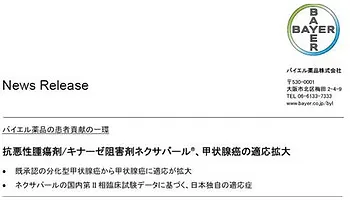 Figure 1
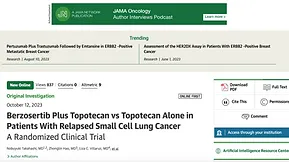 Figure 2
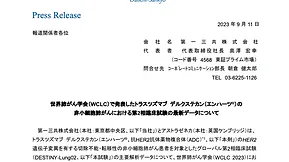 Figure 3
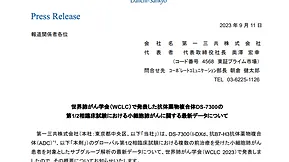 Figure 4