
Cancer Battle: Fearless Life
Medical Supporter — Avis d’information
Cet article est une synthèse d’informations médicales internationales et ne constitue pas un avis médical ; il ne remplace pas le diagnostic ni le plan de traitement de votre médecin traitant. Les informations présentées sont compilées à partir de publications publiques et de déclarations officielles d’établissements médicaux japonais ; l’adéquation et les résultats de toute thérapie varient selon chaque patient et doivent être évalués individuellement par un médecin qualifié.
- September 17, 2019
- Read time: 6 minutes
How long does it take to wait for a chance at rebirth? A patient with digestive organ liver metastasis contacted us last December, hoping to visit Japan's renowned Cancer Institute Hospital (Ariake) — a specialized cancer hospital in Japan home to multiple Japan-first rankings and prestigious physicians well-known throughout Asia. This patient, diagnosed in 2017, decisively left the workforce to pursue the photography life they had long dreamed of, adjusted their daily routine, improved their diet, and while receiving anti-cancer drugs for the metastatic lesions, continued pursuing their chosen way of life.
- Coordination for over 210 days starting December 2018.
- Underwent precision examinations costing over a million dollars.
- Completely revamped daily routine and diet.
- Maintained a positive, optimistic attitude toward cancer treatment, following medical instructions and receiving treatment on time.
This patient showed absolutely no anxiety about treatment — meeting challenges head-on. In January 2019 (19/1), they visited the Cancer Institute Hospital (Ariake) for the first time, undergoing a week of examinations. Finally, they had a discussion with the hospital director about their condition. Since imaging showed remaining metastatic lesions, the director decided after multiple internal meetings to wait and see. When turned down, the patient simply said "Then we'll keep working hard" and left cheerfully the next day.
When they contacted us again in June 2019 (19/6), we smoothly translated and organized all the materials from the intervening period, submitted them to the hospital for discussion, and received the surprisingly positive response: "Let's do another round of examinations and see!" After another week of precision examinations, results were unexpectedly good. After discussing with the director and fully understanding the risks that surgery might bring, they confirmed the schedule — "Let's operate!"
Due to the patient's scheduling constraints (their travel plans were already booked), the director set a deadline requiring their arrival before then. This continued until the end of August 2019 (19/8). Meeting the hospital's requirements, the Medical Supporter team began a 24-hour vigil lasting more than ten days. The photos are of the room view outside the ward on the first day of hospitalization. Before surgery, visitors came in an endless stream: hospital administrative staff, resident doctors, nurses, surgical nurses, anesthesiologists, nutritionists — too many to enumerate — each conducting explanations at different levels. It was truly not easy.
Getting a small gift! The Cancer Institute Hospital (Ariake) sent a cancer institute crab badge to express gratitude for our thoughtful assistance. Helping isn't hard — it just requires finding your conscience.
Honestly, when the patient was about to go into surgery, my heart was in knots. Could this surgery succeed? Since there were already metastatic lesions, if peritoneal metastasis was found, the surgery couldn't proceed. After hearing the director's explanation, even though I already knew about this possibility inwardly, family members still tossed and turned sleeplessly. On one hand, during free moments I chatted with family members to keep them from worrying too much; on the other hand, while joking with the patient, I could only pray that everything would go smoothly.
There's a significant difference between how doctors speak and how regular people speak. The same sentence — "Eat whatever you want, go wherever you want" — is said without particular intent, yet the listener's heart goes into turmoil.
Based on regulations, only the medical interpreter could accompany the patient; family members could not be present. As a medical interpreter accompanying the patient, knowing how far to go is very difficult to gauge. But having experienced caring for family members at home, plus the hospital nurses' thoughtful regular check-ins, it was relatively manageable.
On the day of surgery, emotions were like a roller coaster. Would the surgery proceed or not? After several hours, the director called and asked us to wait in the consultation room. But since several hours had already passed, the heart was relatively settled. Usually, if they open and find problems, or if tissue samples come back with bad results, they close up quickly. So as time passed, the mood became relatively calm. However, hearing the explanation was still nerve-wracking — though suspicious tissue was found, lab tests came back clear, so they continued cleaning out the affected areas and clearing the surrounding tissue. Done.
The patient was then sent back to the room. Due to anesthesia, they kept sleeping. Then came check-ins every 30 minutes to an hour. I believe the following night was very long indeed.
Since visiting hours were restricted, only Medical Supporter could accompany the patient in the ward at night. If there was any physical discomfort requiring assistance, all communication and assistance went through us. When the pain was so intense, the patient couldn't even press the nurse call button...
The nights were very long — visitors every 30 minutes to an hour to check for fever, wound condition, oxygen levels, etc. Every action by nursing staff was preceded by an inquiry. Medical Supporter maintained full alert status at all times (though at night, a mattress and bedding were laid out on the sofa during gaps for brief rest). In this endurance battle, the night watch still needed brief rest intervals, otherwise before the patient recovered, we would collapse first. Starting the next day, the hospital gradually provided meals, of course adjusted according to the patient's condition.
Sometimes I think: health is truly important!
The patient's postoperative recovery was excellent. Beyond the surgeon's exceptional technical skill, what was most important was the patient's own strong willpower, plus the hospital's excellent recovery environment — from diet to care to planned comprehensive rehabilitation — every aspect allowing the patient to return to normal life as early as possible. All aspects were thoroughly covered, which is why such outstanding results were achieved. As a medical interpreter accompanying the patient, I felt deeply honored to have participated in this treatment coordination.
The most obvious impression from this experience was the hospital's meticulous attention to diet, care, and rehabilitation. The diet was coordinated by specialized nutritionists to achieve balanced nutrition; the eating method was also strictly controlled according to the patient's post-surgical condition. Care was comprehensive — not just routine ward rounds asking about the patient's condition, but even when encountering them in the corridor, nurses would inquire about their physical state, showing care at every turn. In daily rehabilitation training, you could feel the patient's recovery improving day by day, with the patient even asking the rehabilitation therapist whether training intensity could be increased.
After days of effort, all IV lines and drainage tubes were finally removed. Although abdominal fluid still seeped out after the drainage tube removal, after consulting the nurse, the patient was permitted to bathe themselves. This moment further demonstrated the patient's excellent recovery. Of course, this was also due to the patient's own strong survival instinct, diligently and persistently doing rehabilitation every day to achieve such excellent recovery.
Never underestimate the act of bathing! Think about it: after surgery, you must endure not only the discomfort from wounds but also being unable to bathe properly for days, only simple wiping — and even washing your hair requires a nurse's help. It's truly inconvenient.
Every evening, the attending physician would personally visit to check the patient's recovery. Each visit brought more praise. The recovery was so good that even the attending physician couldn't believe it; discharge was just around the corner. It's worth mentioning that whether for Japanese or foreign patients, attending physicians hope that patients receive the most perfect treatment. For foreign patients, they are especially dedicated, hoping patients return home in good health.
I am truly grateful that the physician was able to help the patient undergo surgery successfully, and then after surgery provided abundant care as if they were a close relative. This not only alleviated the patient's anxious emotions but also reassured family members. After all, except for Medical Supporter, per hospital regulations, family members cannot be with their loved ones around the clock. Medical Supporter fills this gap in real time, maintaining constant contact to inform family members of the patient's latest condition.
The patient continued maintaining excellent condition. Whether in diet or exercise intensity, you couldn't tell at all that they had undergone surgery. Except for needing continued care at the drainage tube wound site, there were no other major issues. Starting these few days, they were able to finish all meals provided by the hospital — and even wanted to eat more! However, they still needed to follow the hospital's prescribed balanced diet. In terms of exercise, the patient also followed the hospital's instructions, gradually progressing in-hospital.
Finally, the hospital's notice of discharge approval arrived! Not only was the patient happy — the caring nurses, hospital administrative staff, doctors, and family members were all overjoyed at this news, rushing to come celebrate. We, as the medical interpreters, also felt boundless joy. More joyful than winning the lottery jackpot.
Medical Supporter does not treat patients as clients but as close friends and family, providing only the best service. We hope to exchange greetings with everyone during holidays in the years to come, and together welcome the beautiful life ahead.
Cancer is not frightening. What is most frightening is when patients themselves have no will to survive, refuse proper treatment, and spend each day in negativity — that is what makes cancer truly terrifying.
- Medical Supporter Work Notes
Medical Supporter was formerly certified as an international medical visa guarantor by Japan's Ministry of Foreign Affairs and the Ministry of Economy, Trade and Industry (B-066).
Vous envisagez des soins au Japon ? Besoin d’informations et d’aide ?
Nous vous aidons à rassembler les informations nécessaires pour un déplacement médical au Japon, à contacter les établissements japonais et à organiser une consultation de second avis.La première consultation est gratuite ; un conseiller vous aide à clarifier les prochaines étapes.
 Figure 1
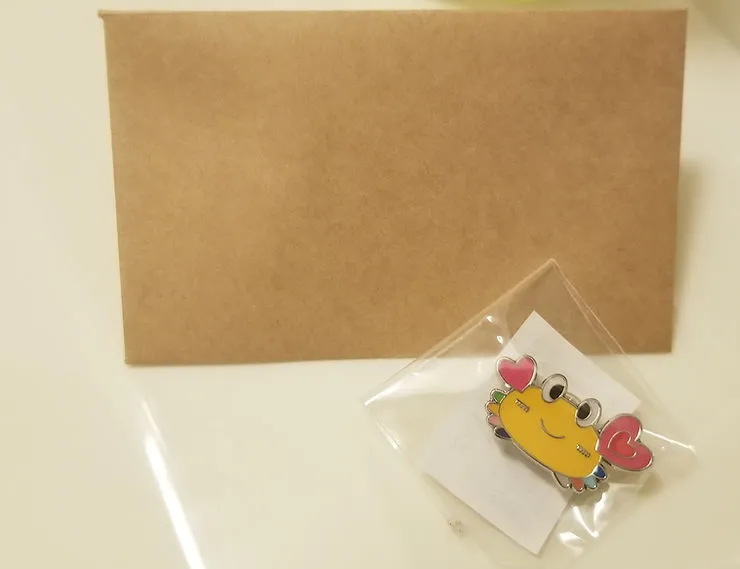 Figure 2
 Figure 3
 Figure 4
 Figure 5
 Figure 6
 Figure 7
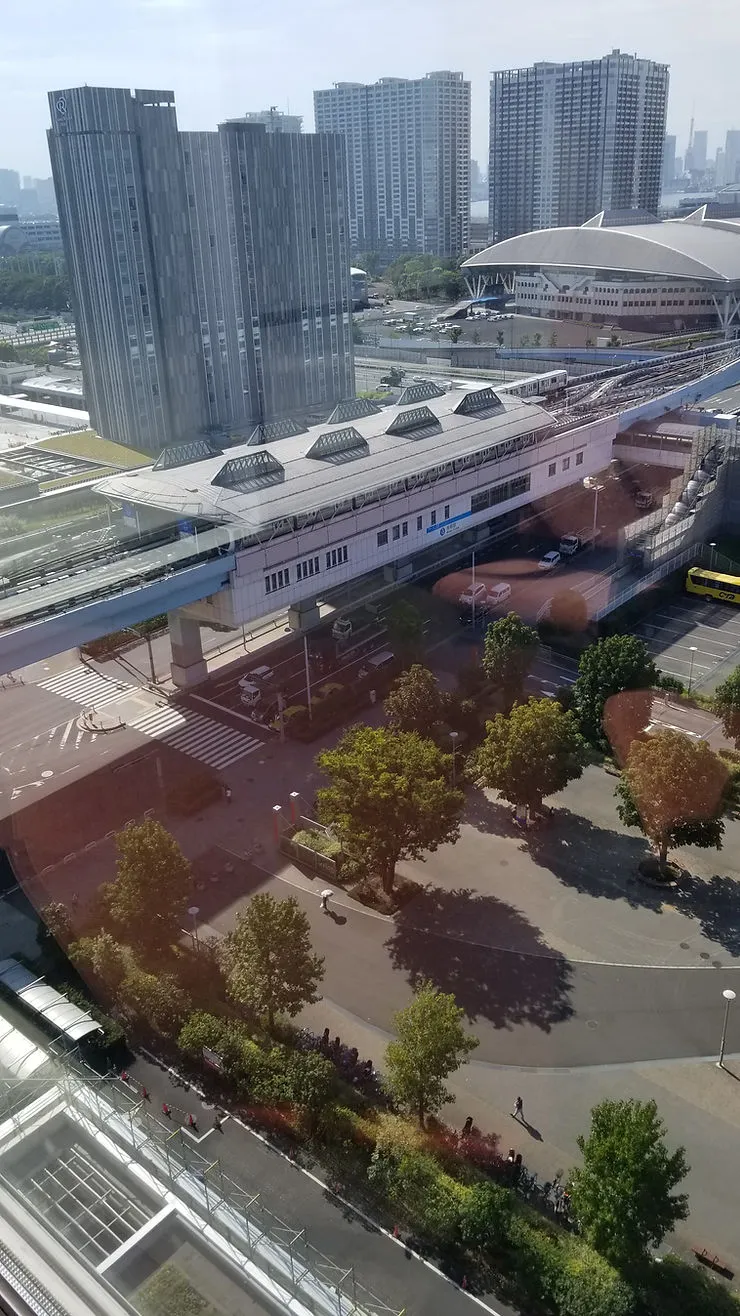 Figure 8
 Figure 9